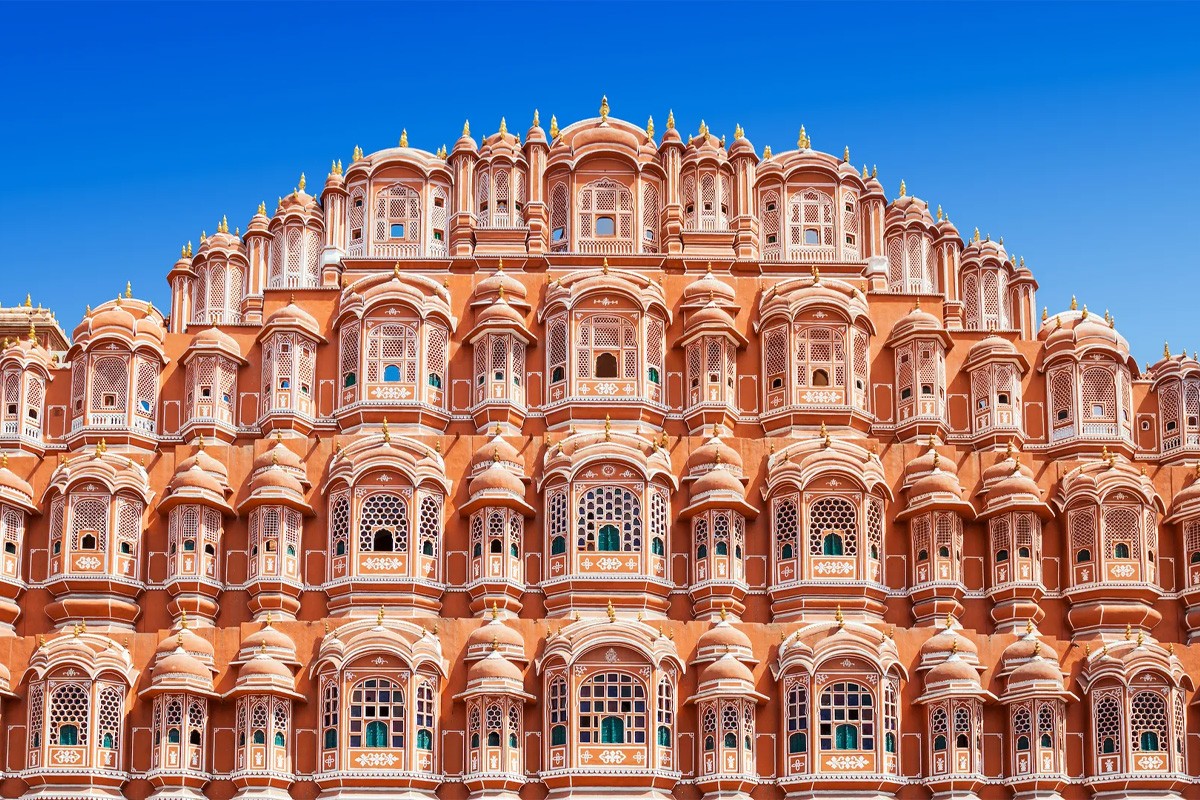
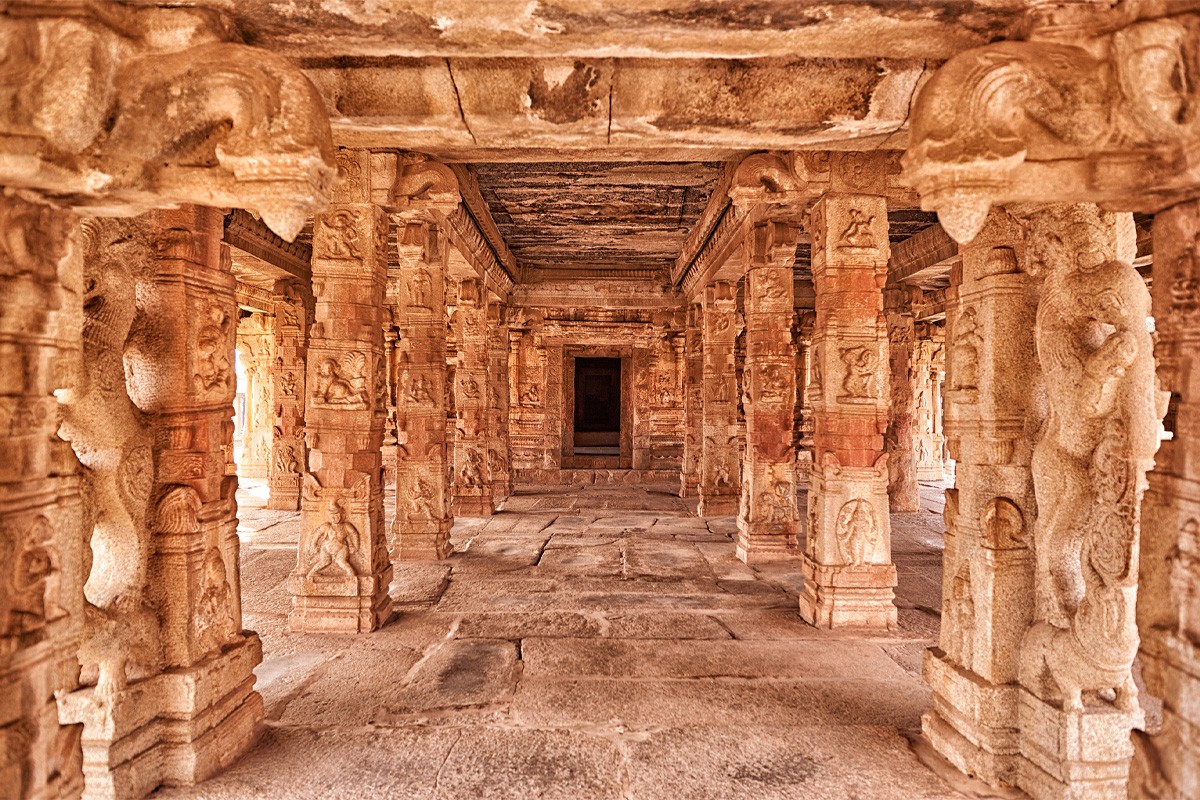
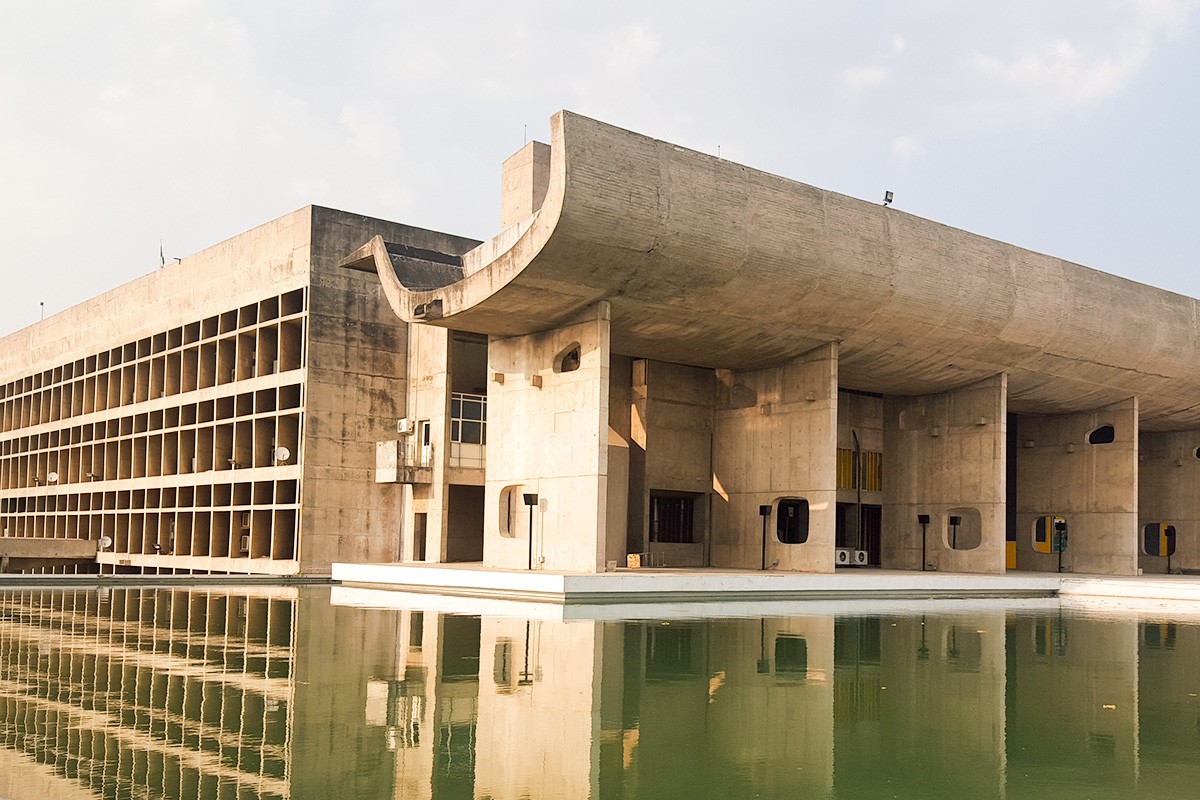
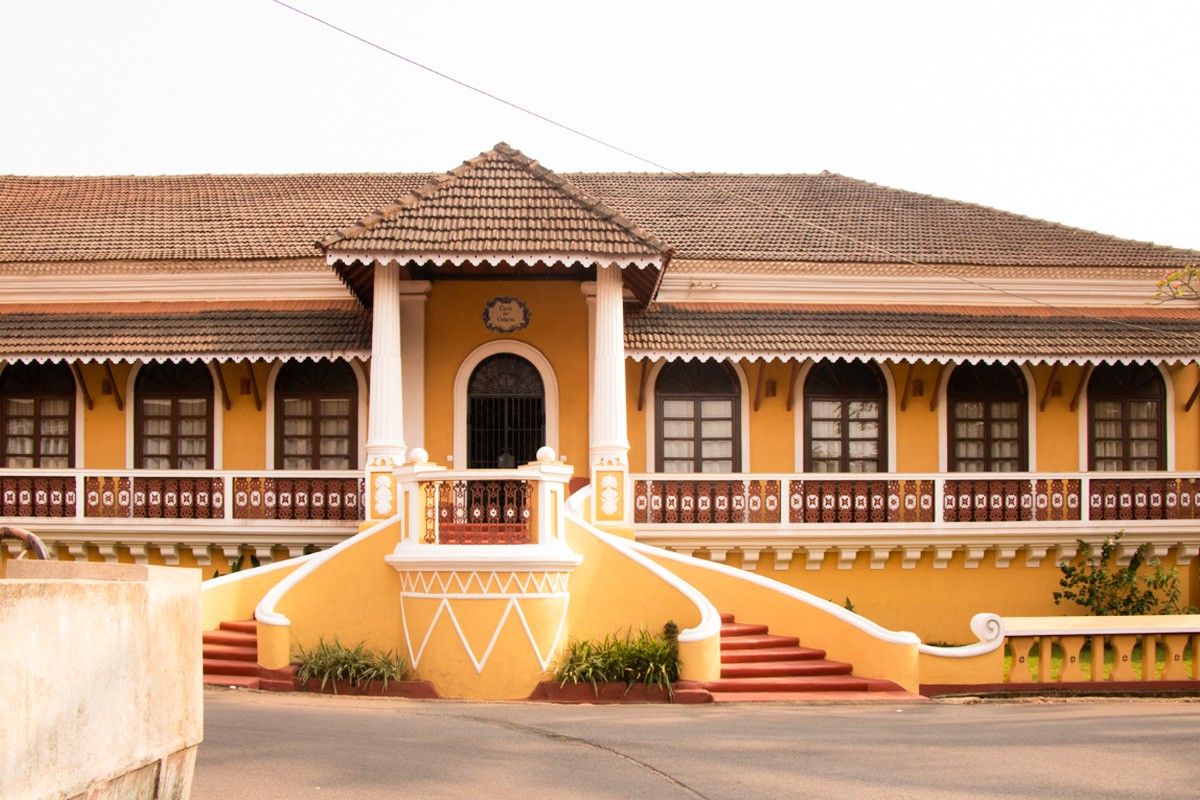
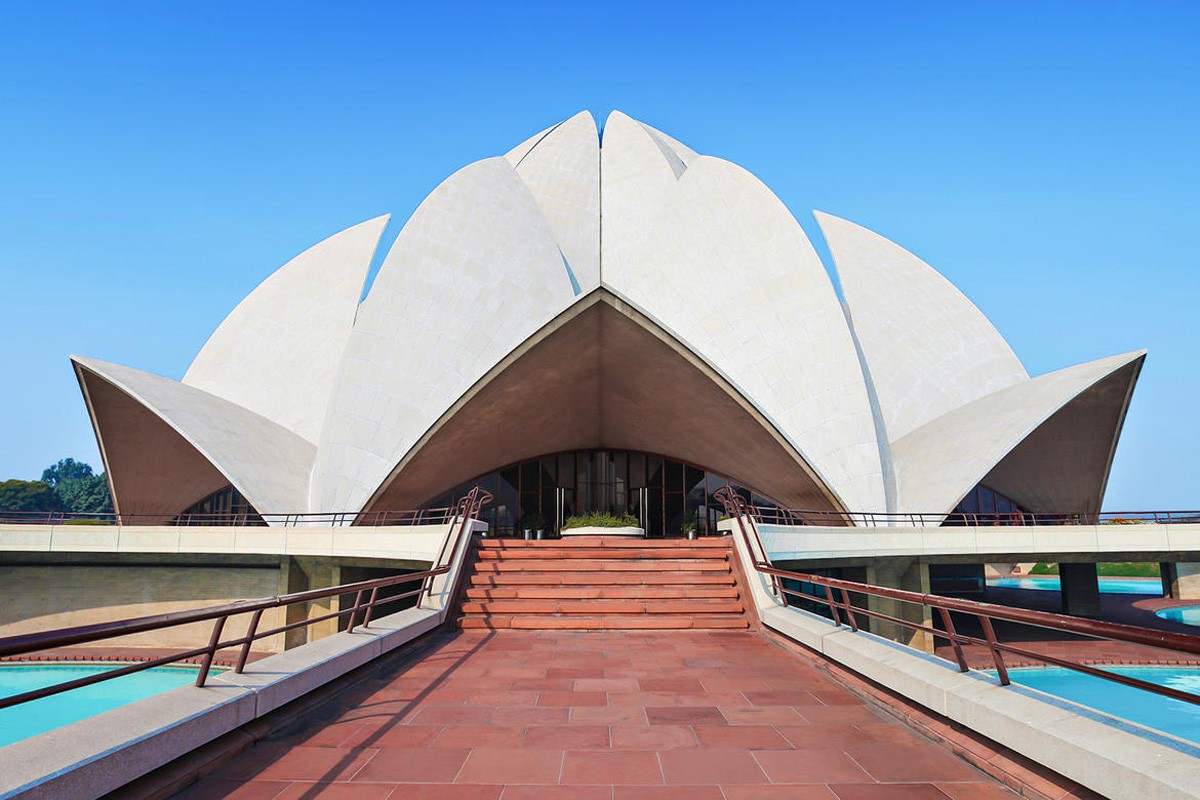
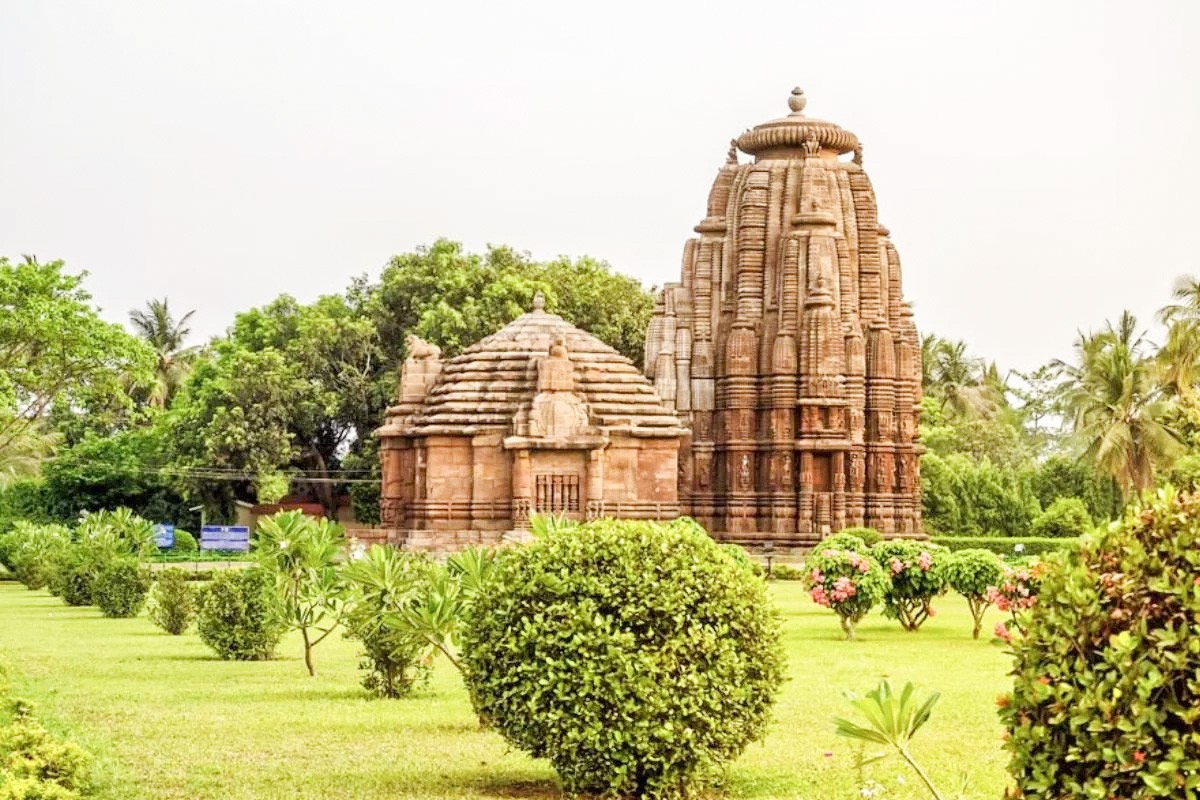

A: Major cities highlighted include Delhi, Jaipur, Ahmedabad, Mumbai, and Chennai, since they offer layered histories, diverse architectural styles, and strong cultural narratives. These cities allow students to experience everything from ancient temple architecture to colonial urban form and contemporary design culture.
FAQ
A: Travel exposes students to real spatial experiences, materials, climate responses, and cultural contexts that cannot be captured through drawings or photographs. It helps them understand how architecture shapes and is shaped by social life, which is essential for developing a sensitive design approach.
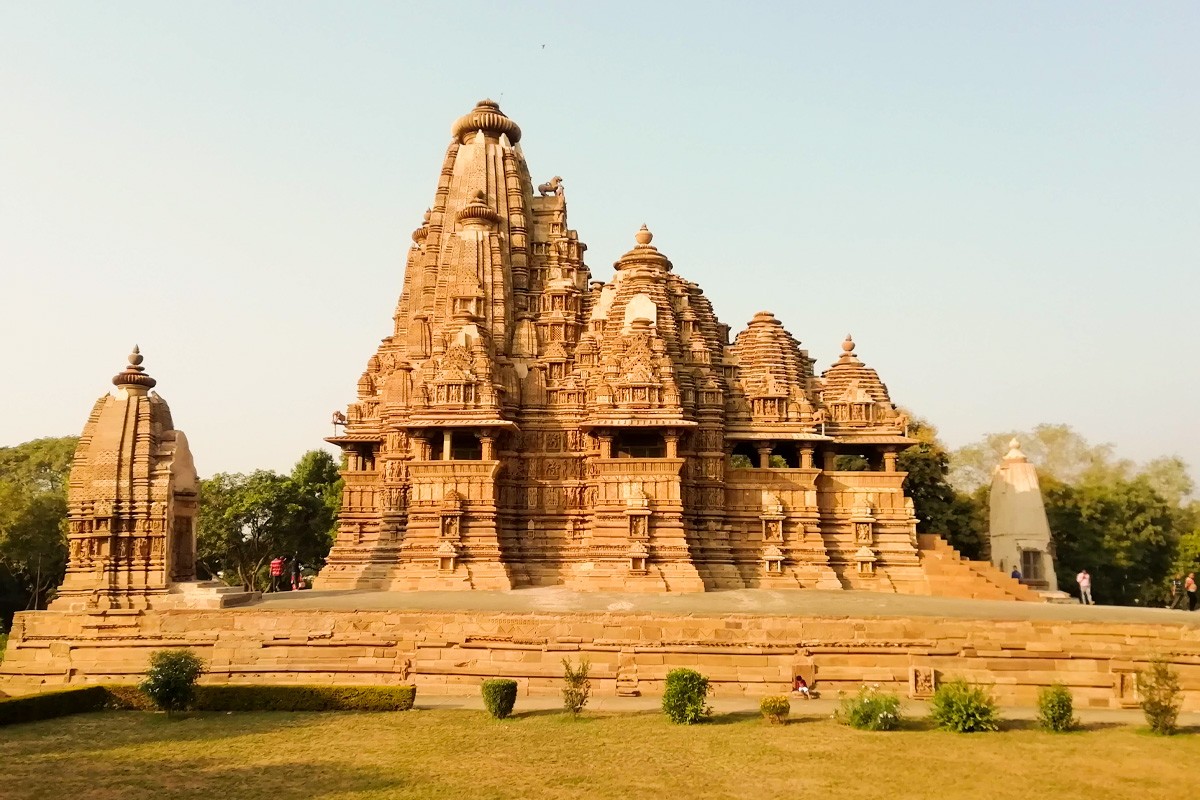
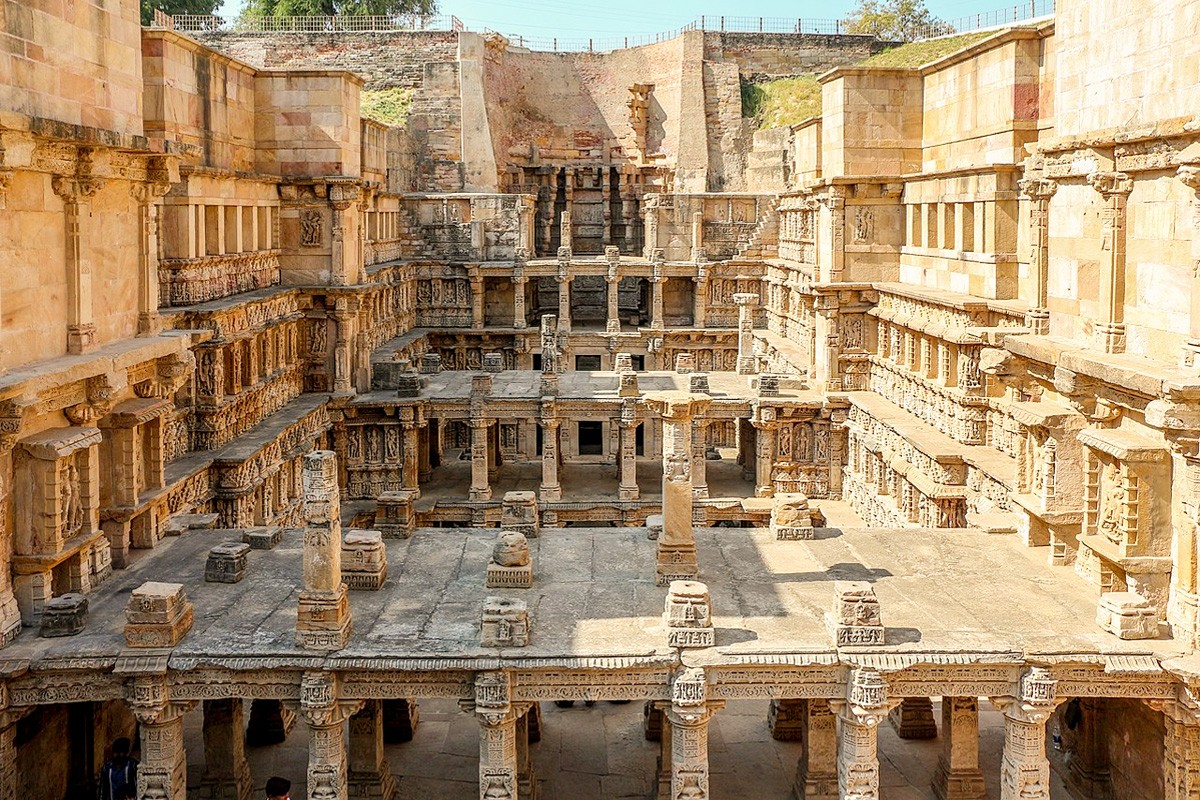
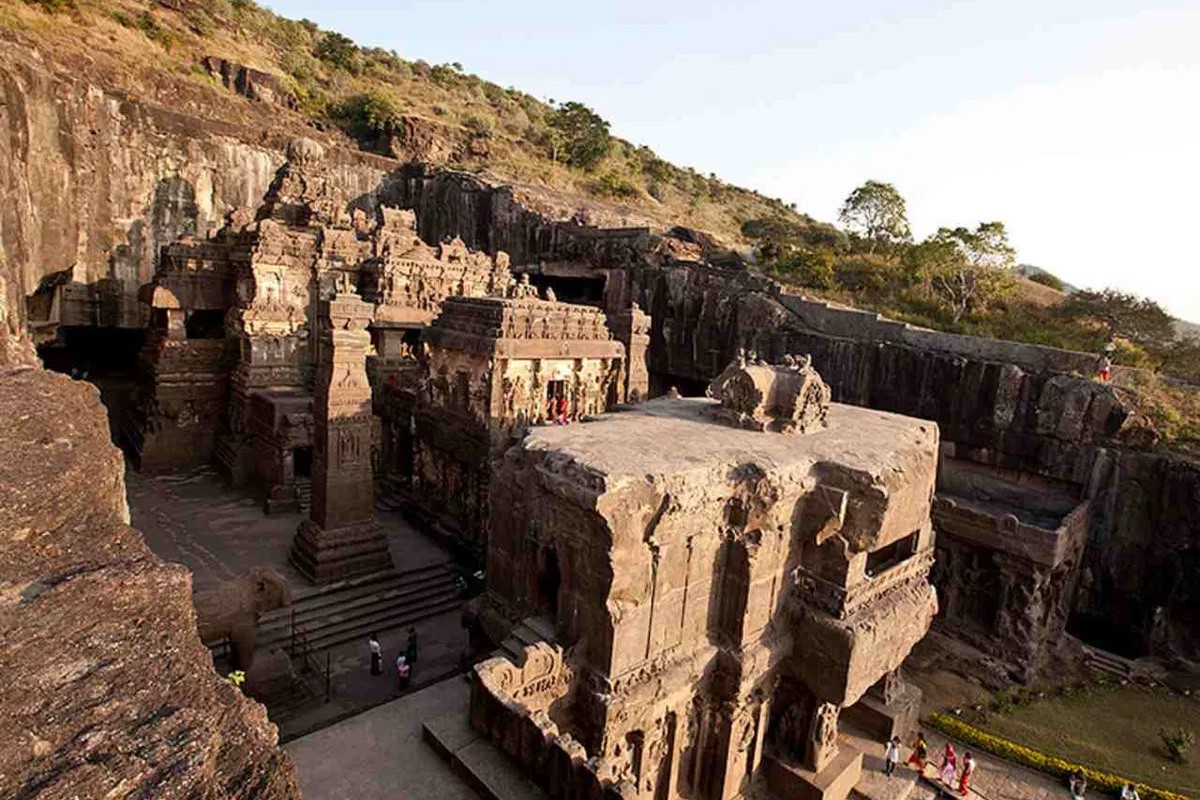
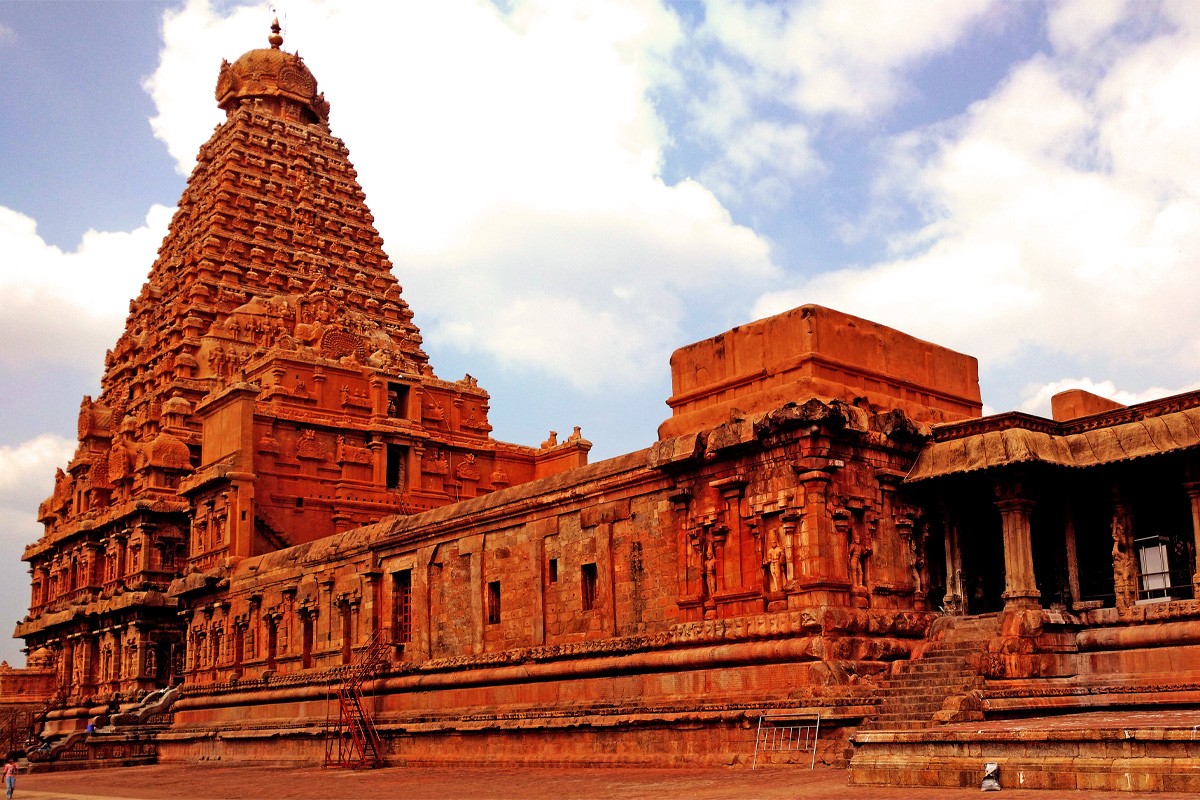
A: Iconic works such as the temples of Khajuraho, the forts and palaces of Rajasthan, the stepwells of Gujarat, the Dravidian temples of Tamil Nadu, and modern works like Le Corbusier’s Capitol Complex are emphasised. They showcase craftsmanship, geometry, planning, and the evolution of architectural ideas across time.
A: Field visits build observation skills, teach students how to read built form, and deepen their understanding of scale, proportion, and construction. They also connect theoretical knowledge with lived experience, helping students form a more holistic and grounded design sensibility.