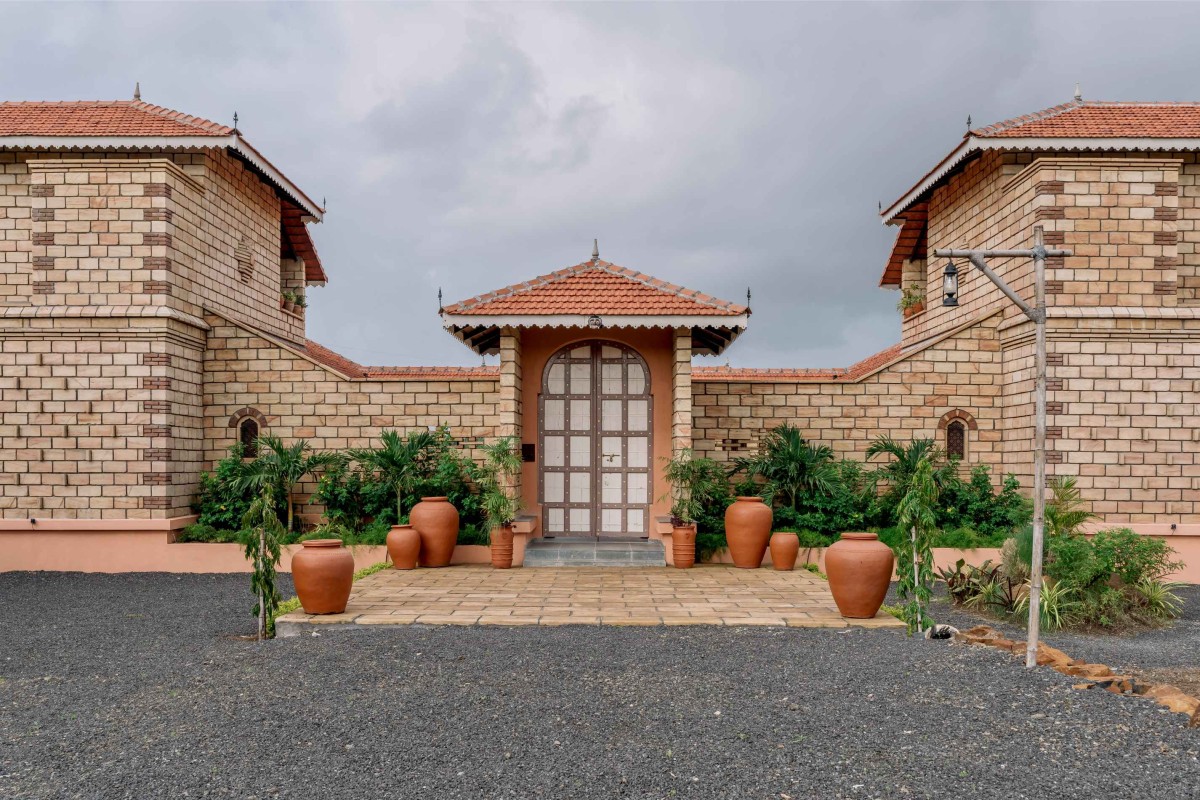
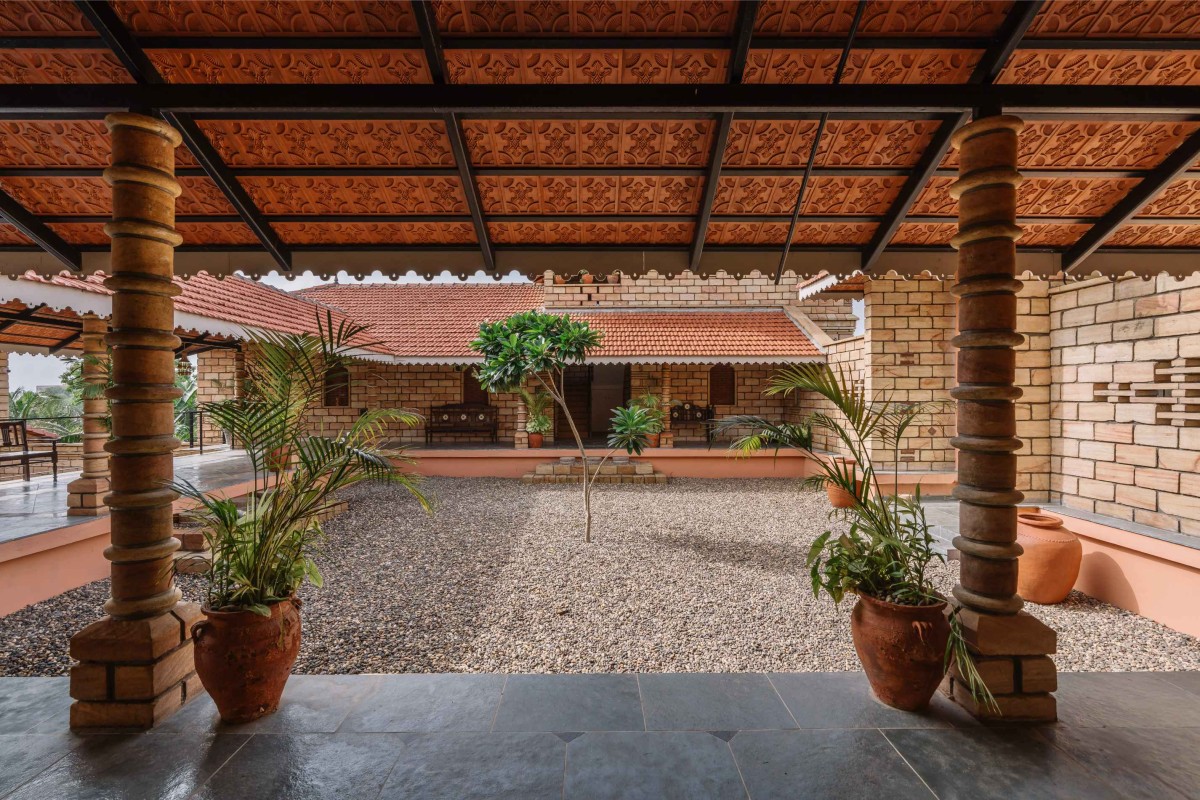
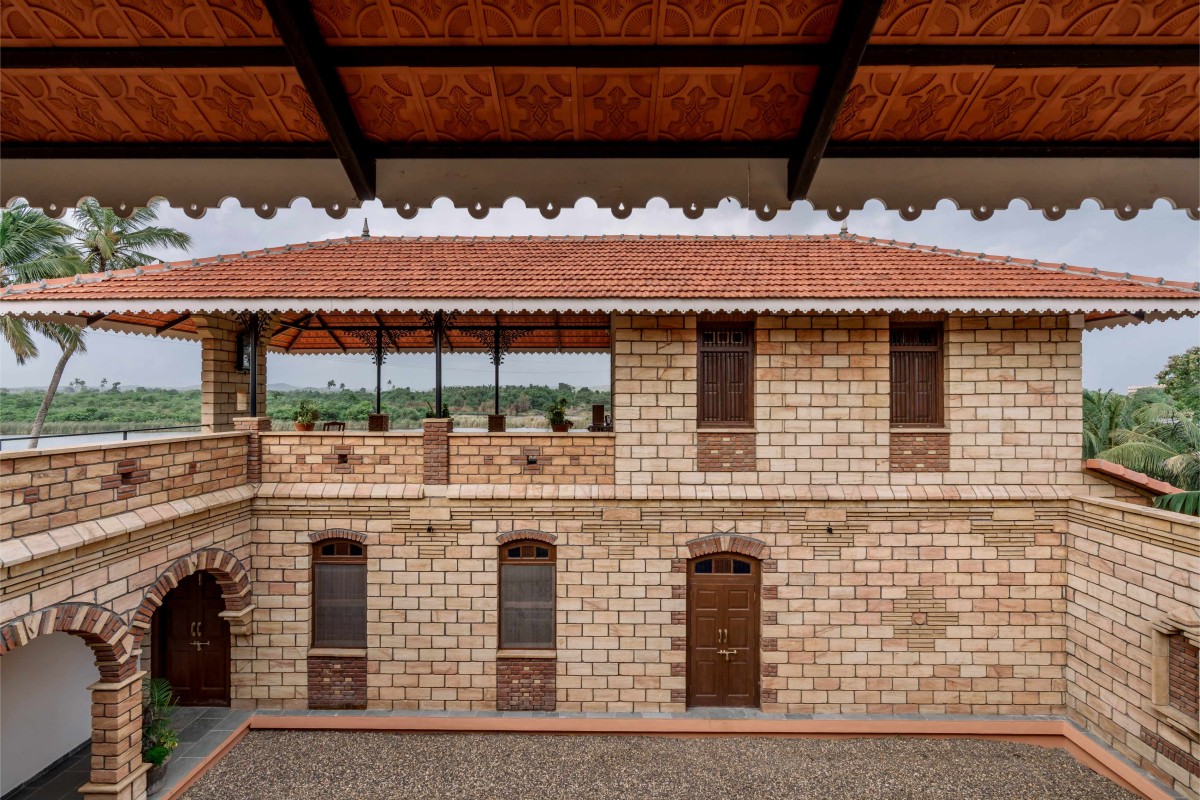
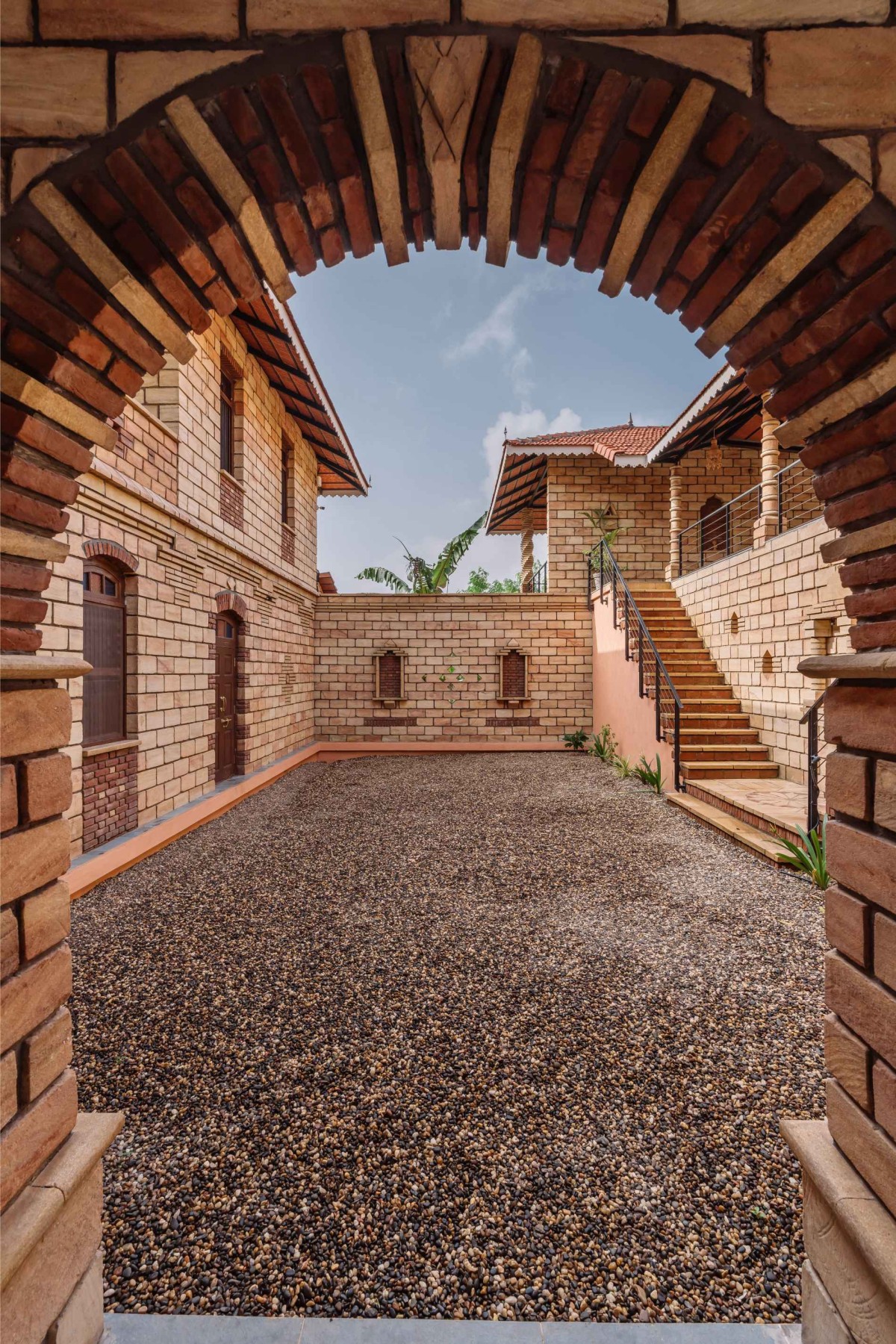
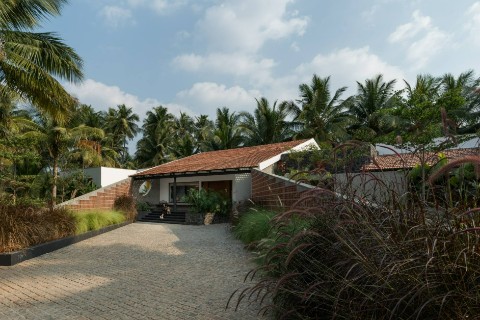
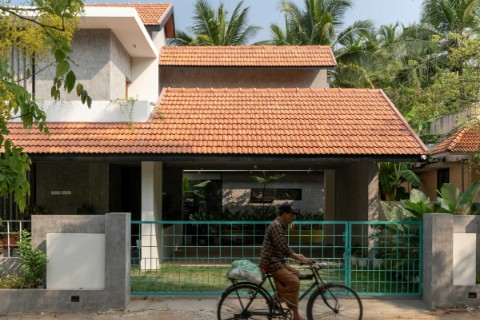
Entrance of Rushitoya by d6thD design studio
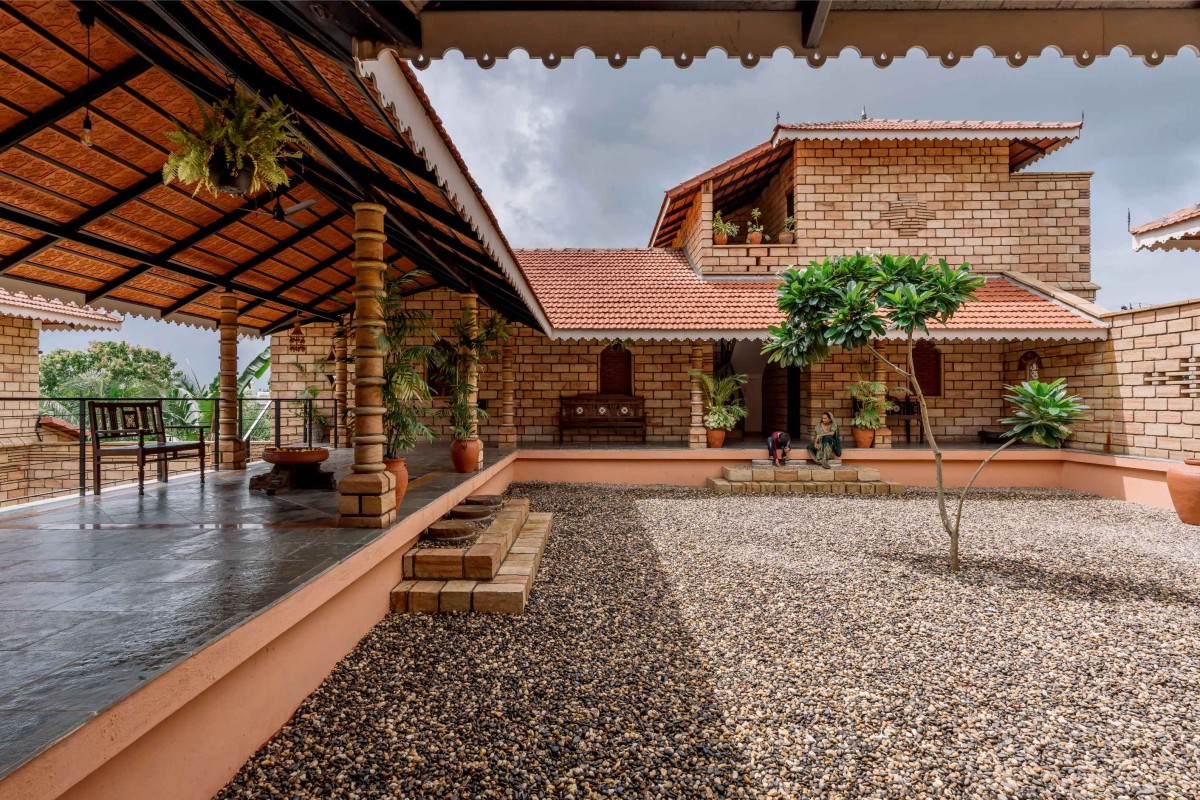
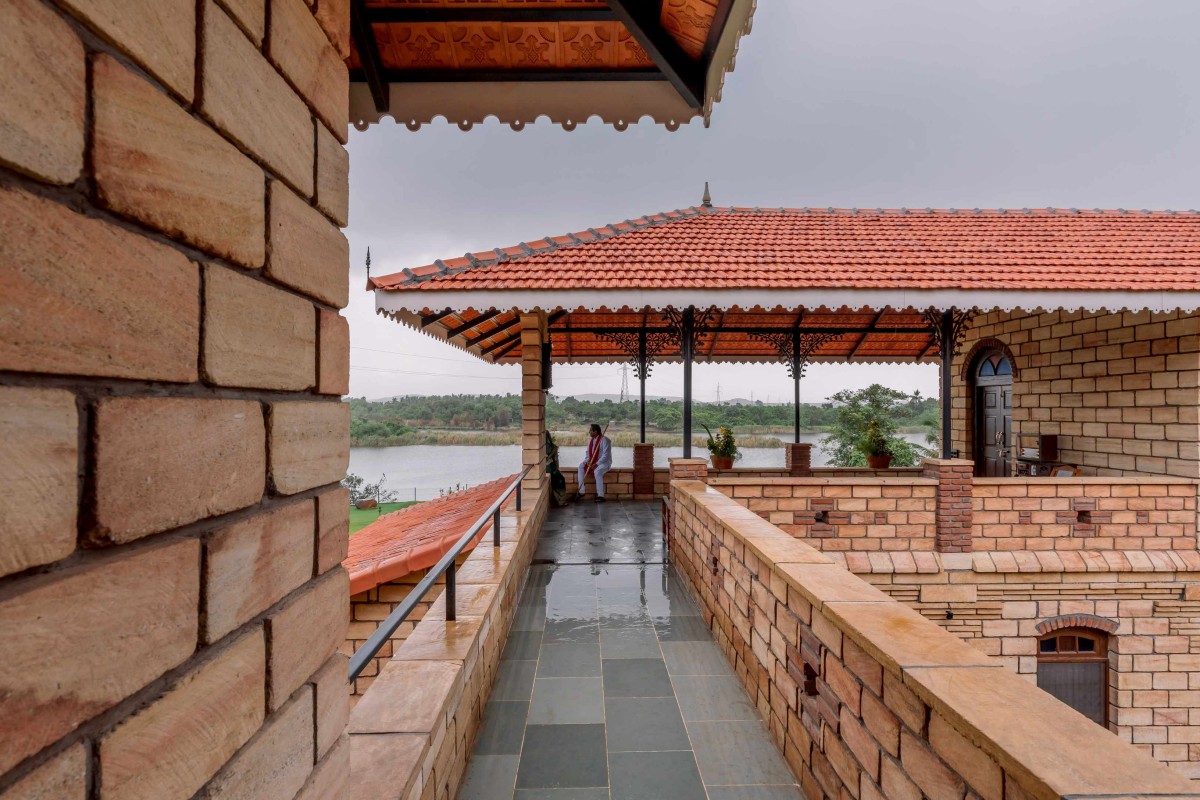
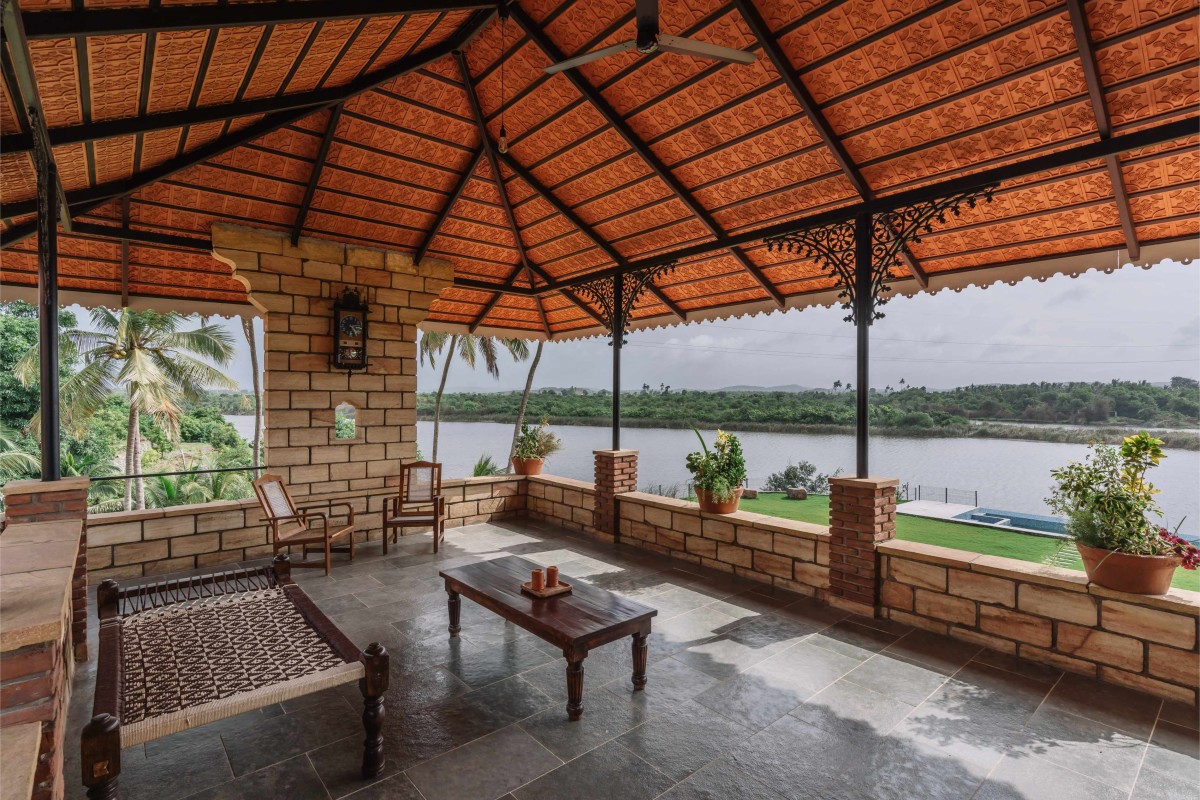
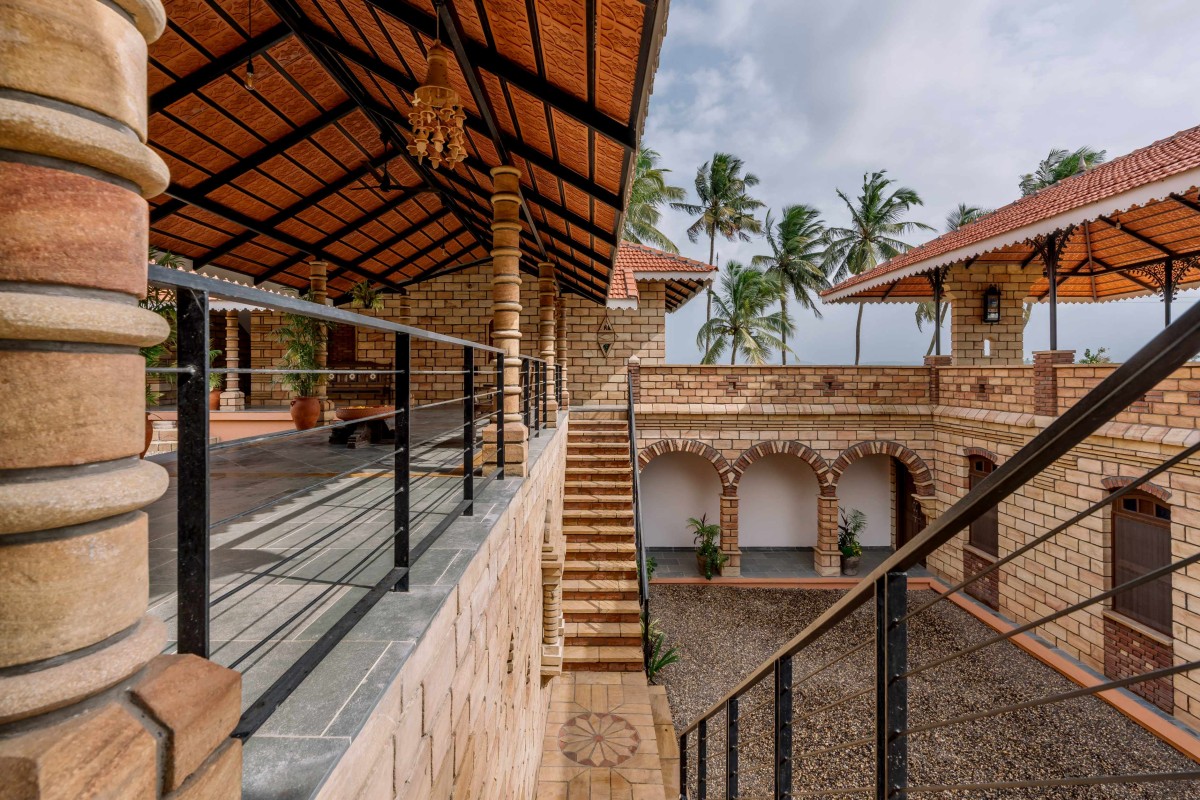
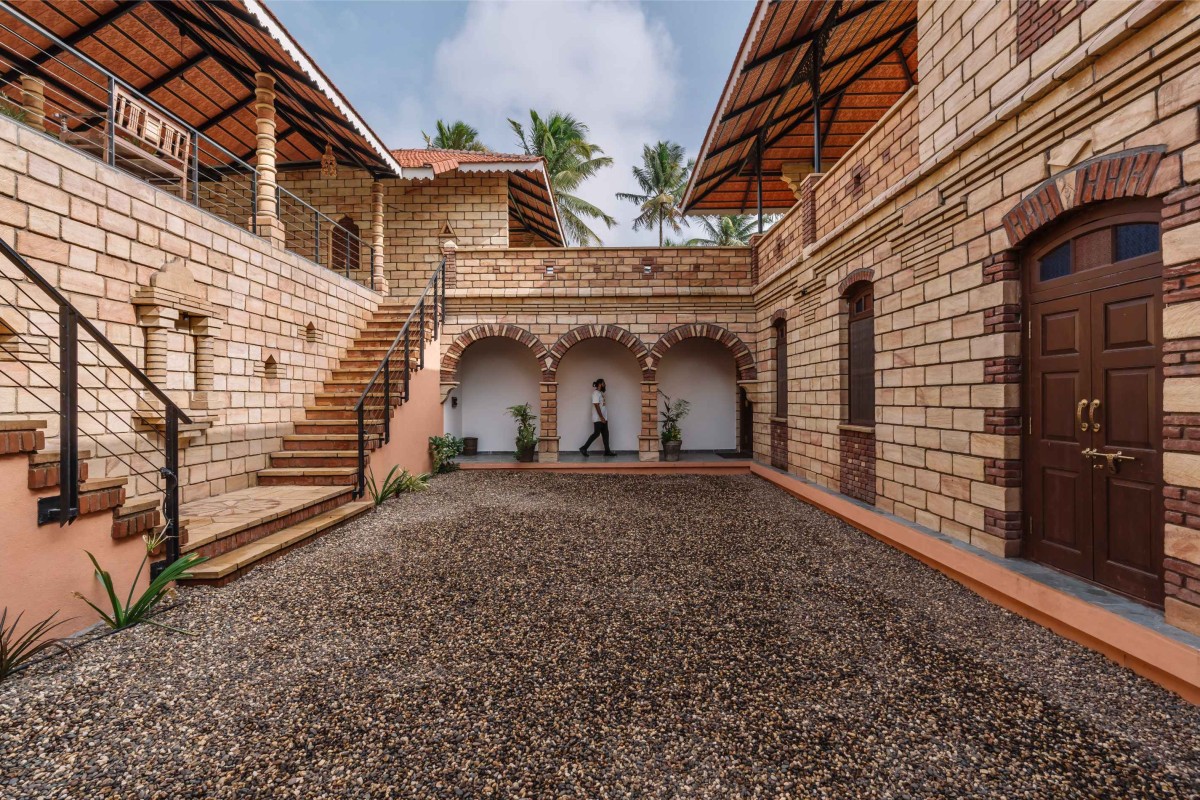
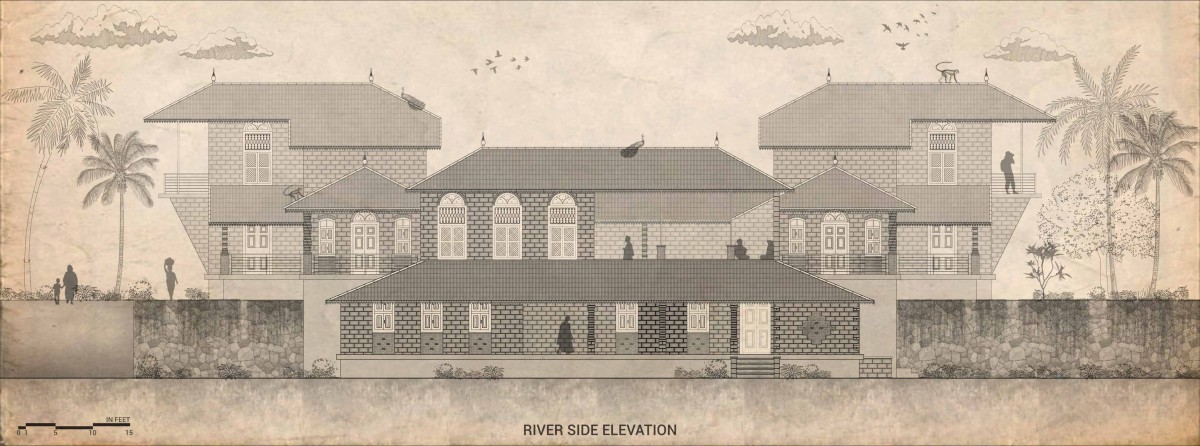
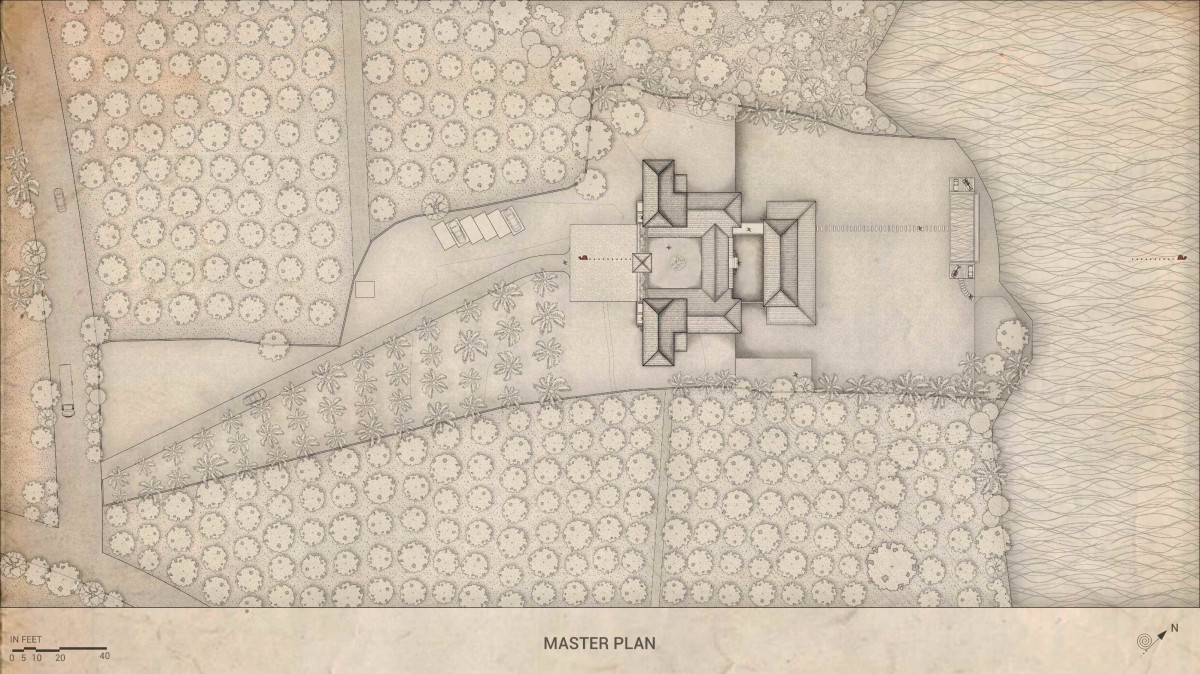
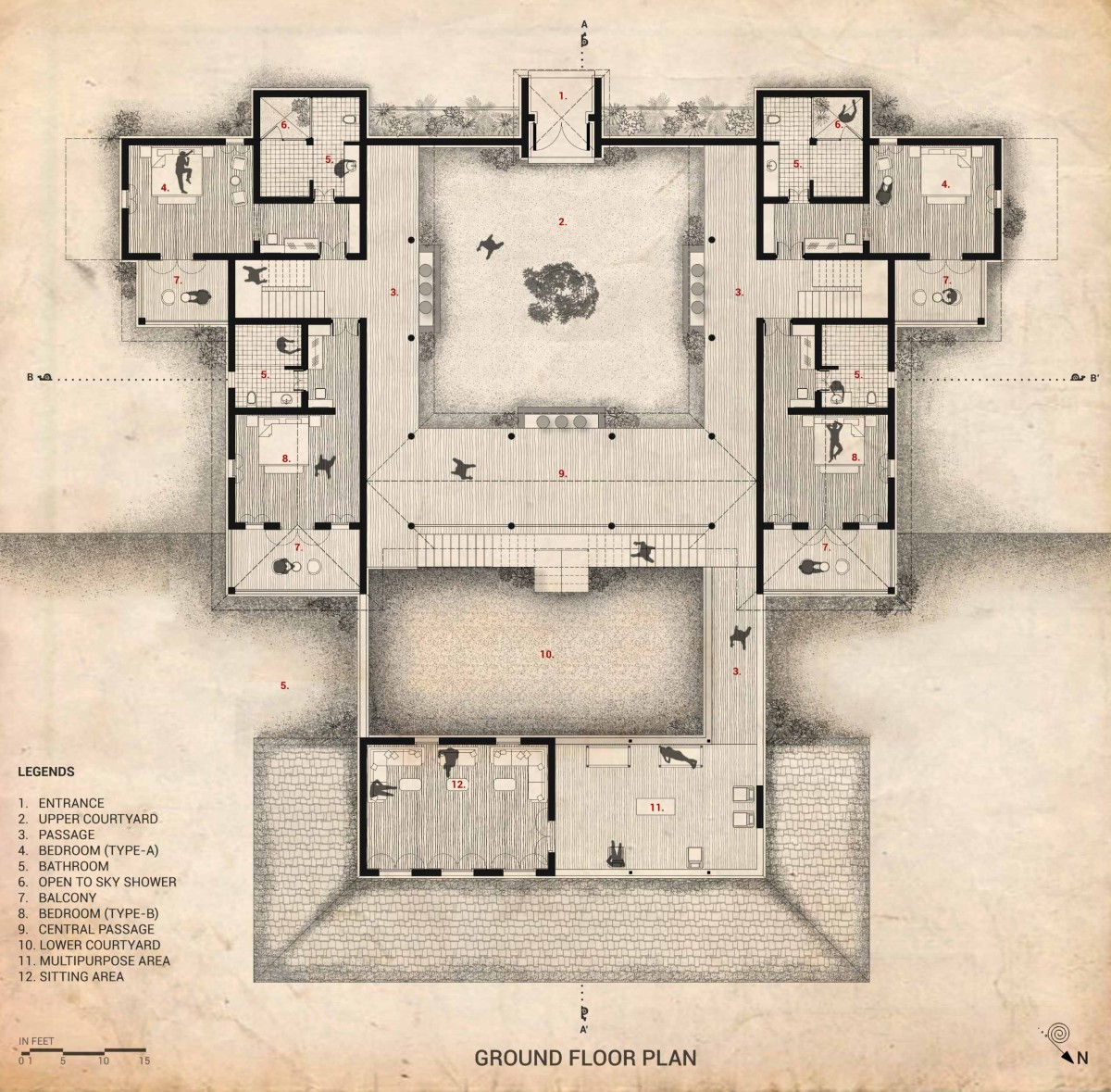
Entry into the homestay begins at the ground floor, leading directly into the main courtyard, which acts as the central dispersal point for the rooms. The courtyard extends seamlessly into a bridge that leads to semi-covered and covered living areas that subtly frame views of the river without immediate exposure. The edge is designed in a way that has unobstructed views from the corner. While from the outside, there is no immediate indication of the river, maintaining an element of surprise, while when one enters the rooms, the view floods the vision dramatically.
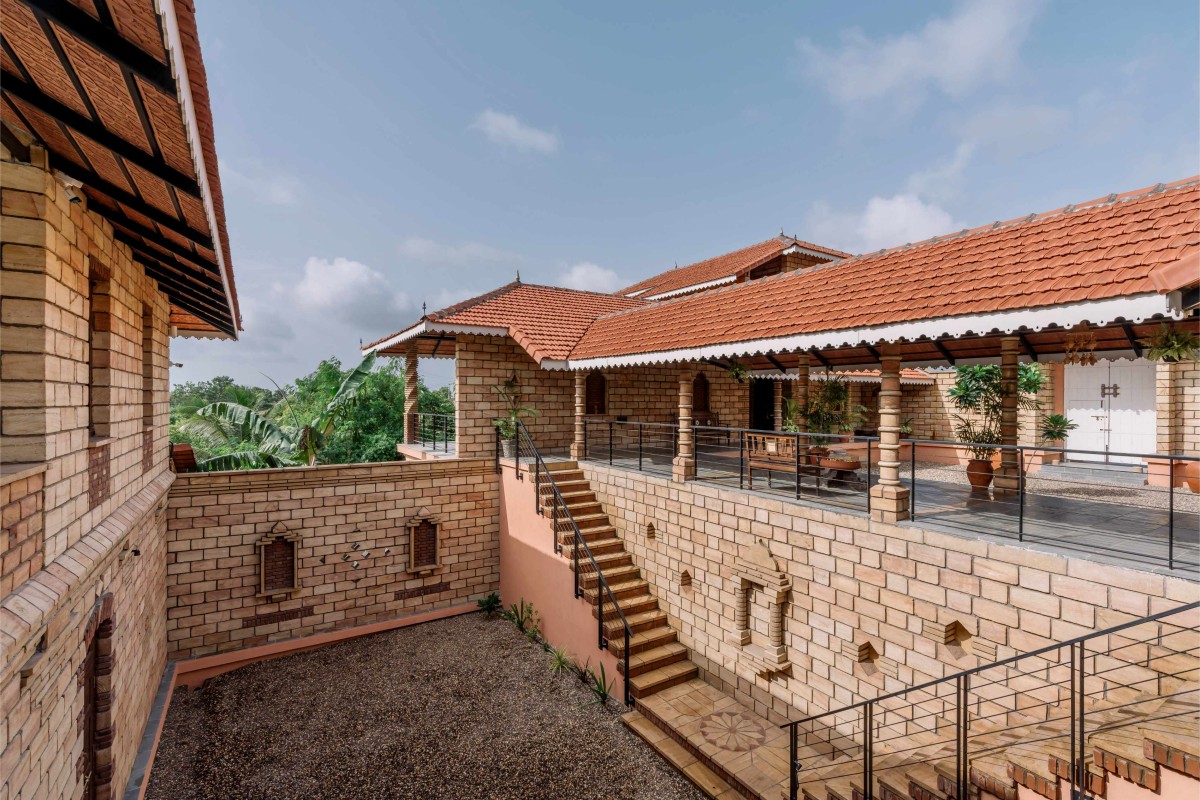
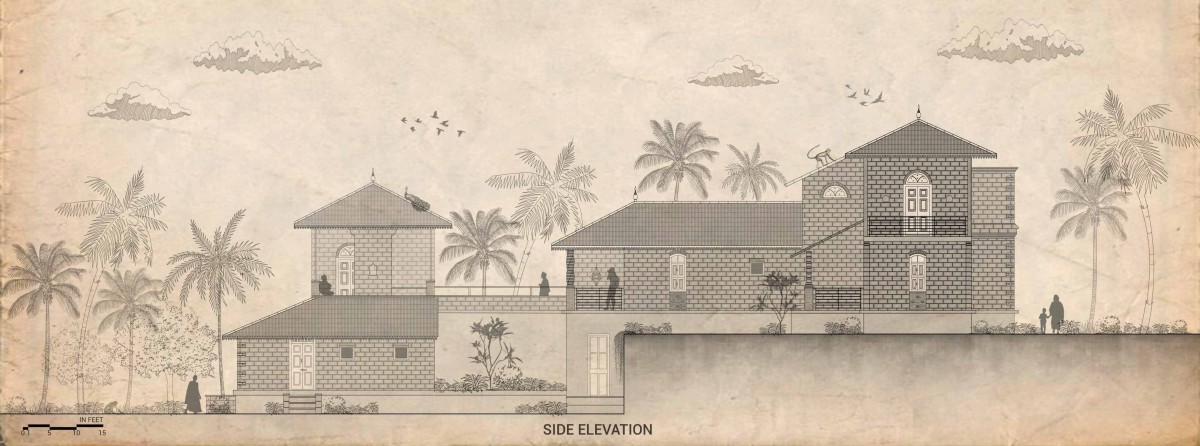
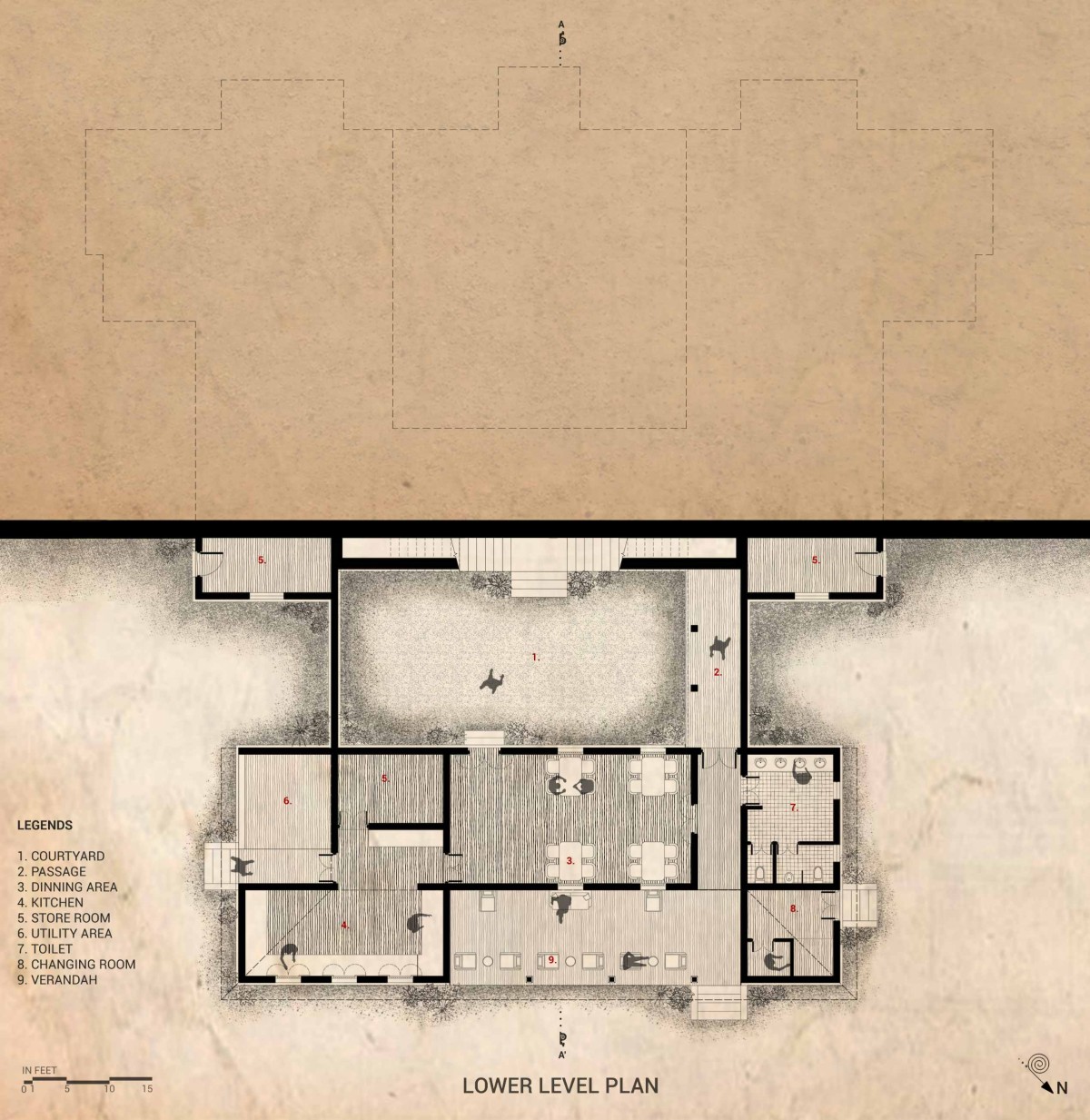
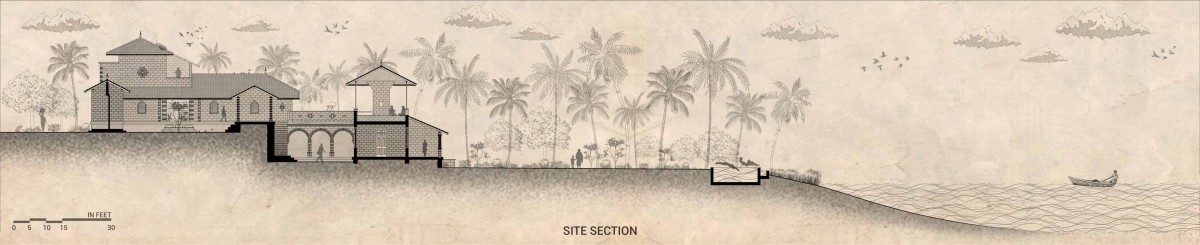
The bridge also connects to a staircase that descends to the lower level, where the aangnu transitions into the dining area. The dining area also has an exterior sit-out that offers an immersive experience of the river, providing an intimate yet expansive connection to the landscape. The homestay’s design is deeply rooted in the interplay of levels, creating a dynamic spatial experience that unfolds gradually. Two courtyards, positioned at different levels, serve distinct purposes—one as an entry space that anchors the home, and the other as a sunken courtyard that enhances connectivity while offering a thermal advantage. The transition between these levels is not merely functional but also symbolic, shaping the way spaces are experienced. The staircase, inspired by the cascading geometry of kunds and stepwells, is more than just a circulation element; it becomes an architectural moment. A niche for an idol of Ganeshji, signifies the staircase as a sub-entry point, preparing one for the transition into the subsequent space, which dramatically opens up to river views.
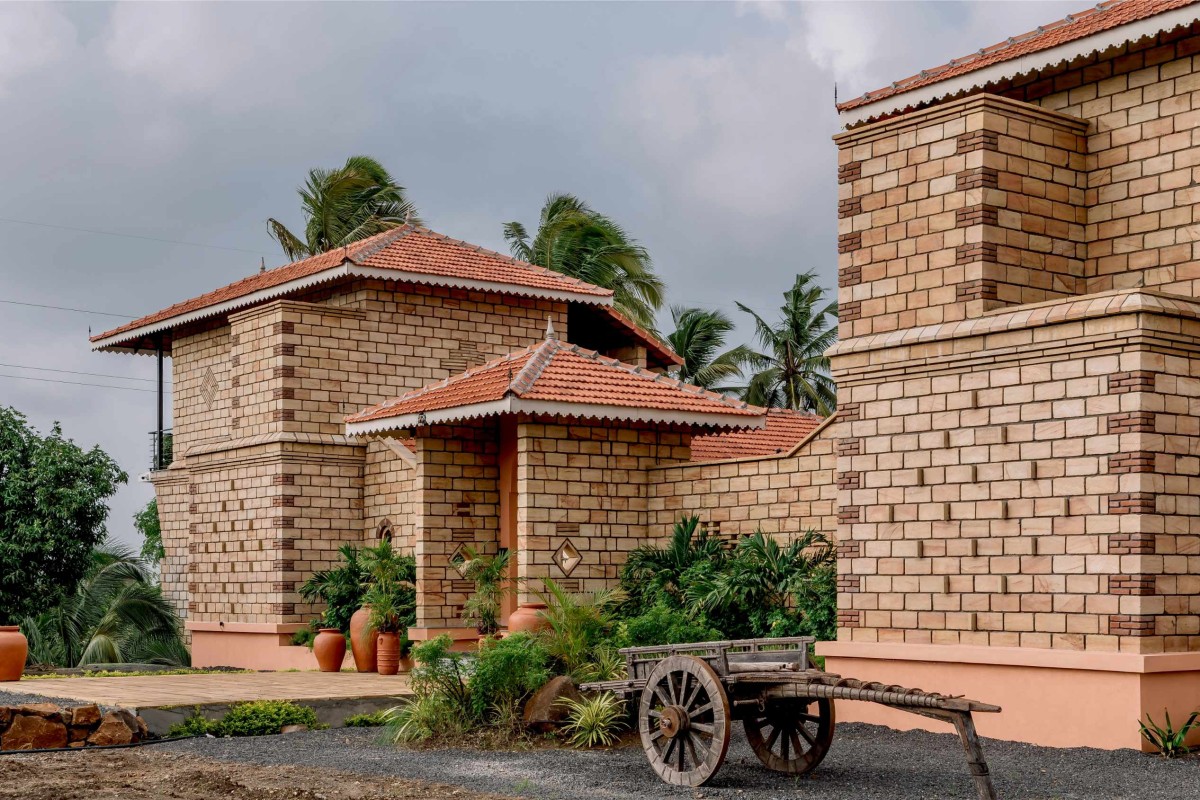
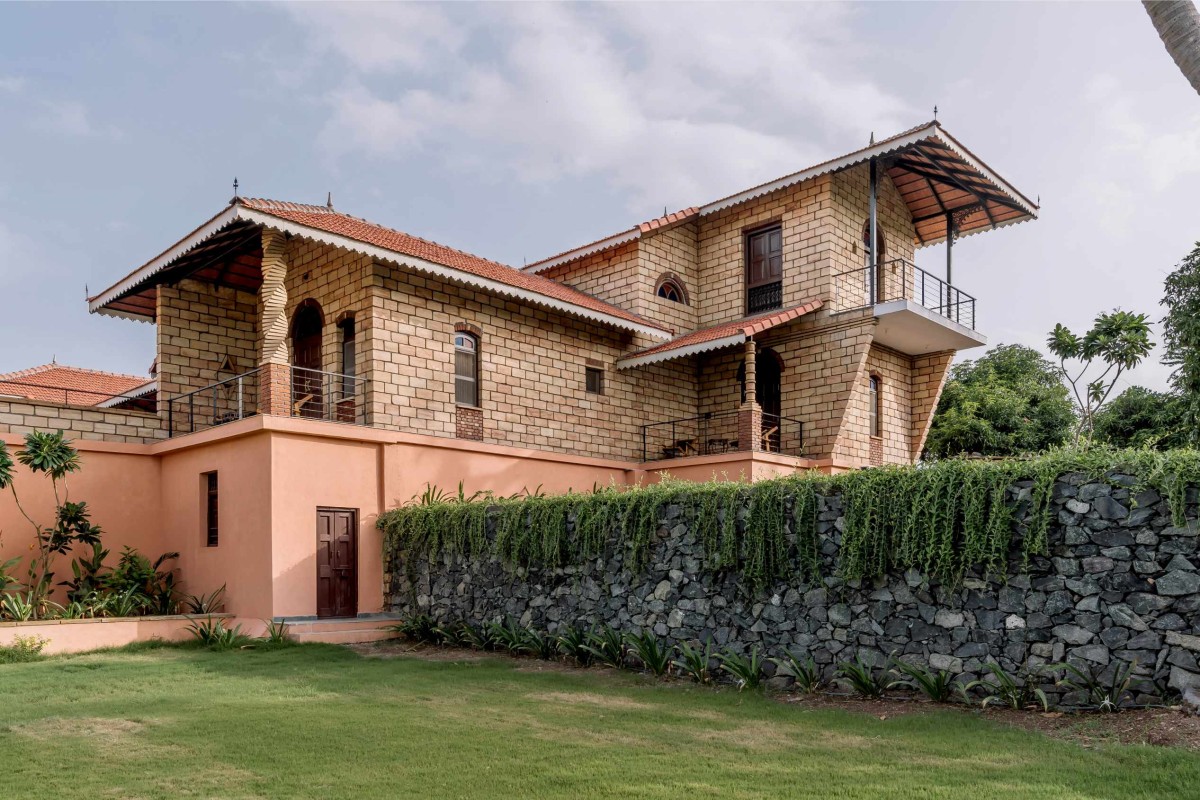
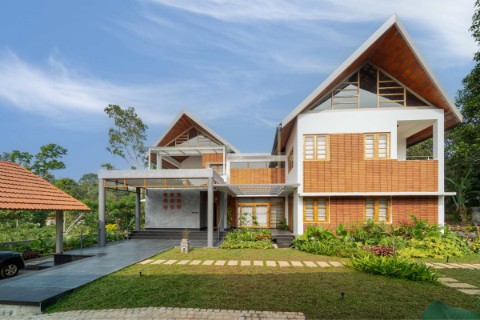
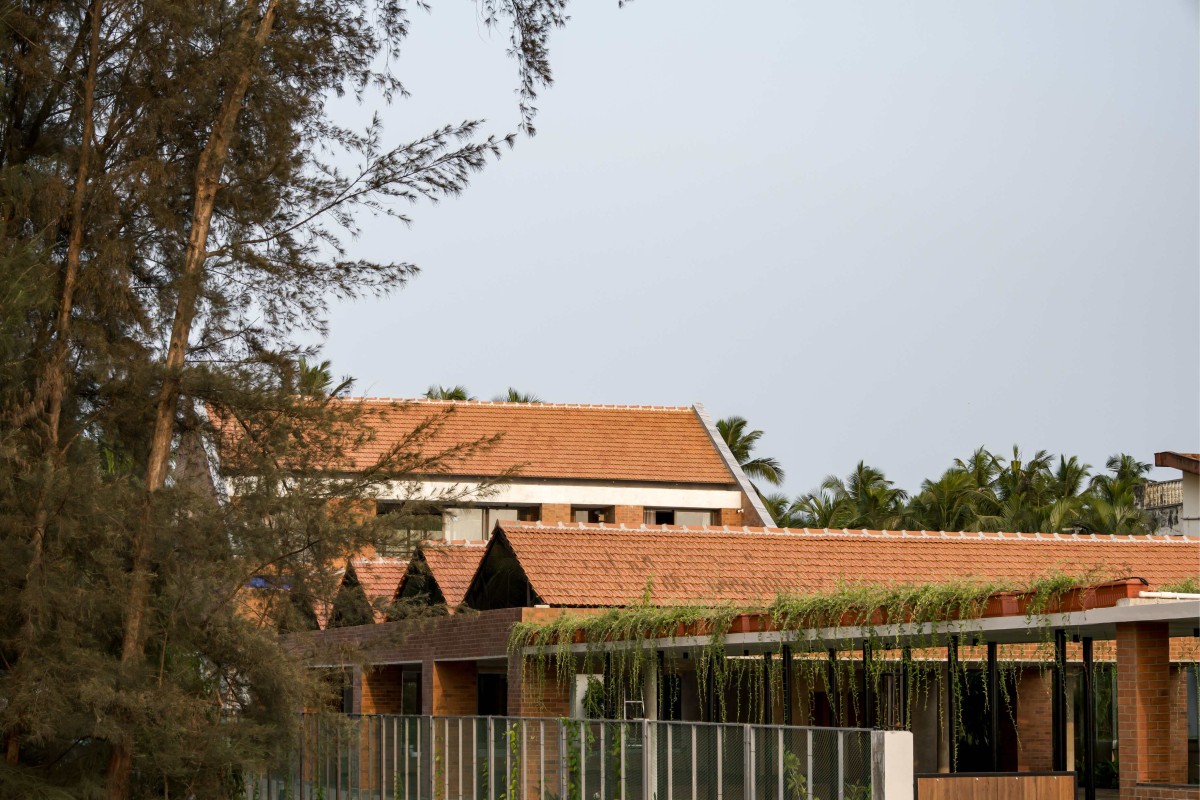
Exterior view of Rushitoya by d6thD design studio
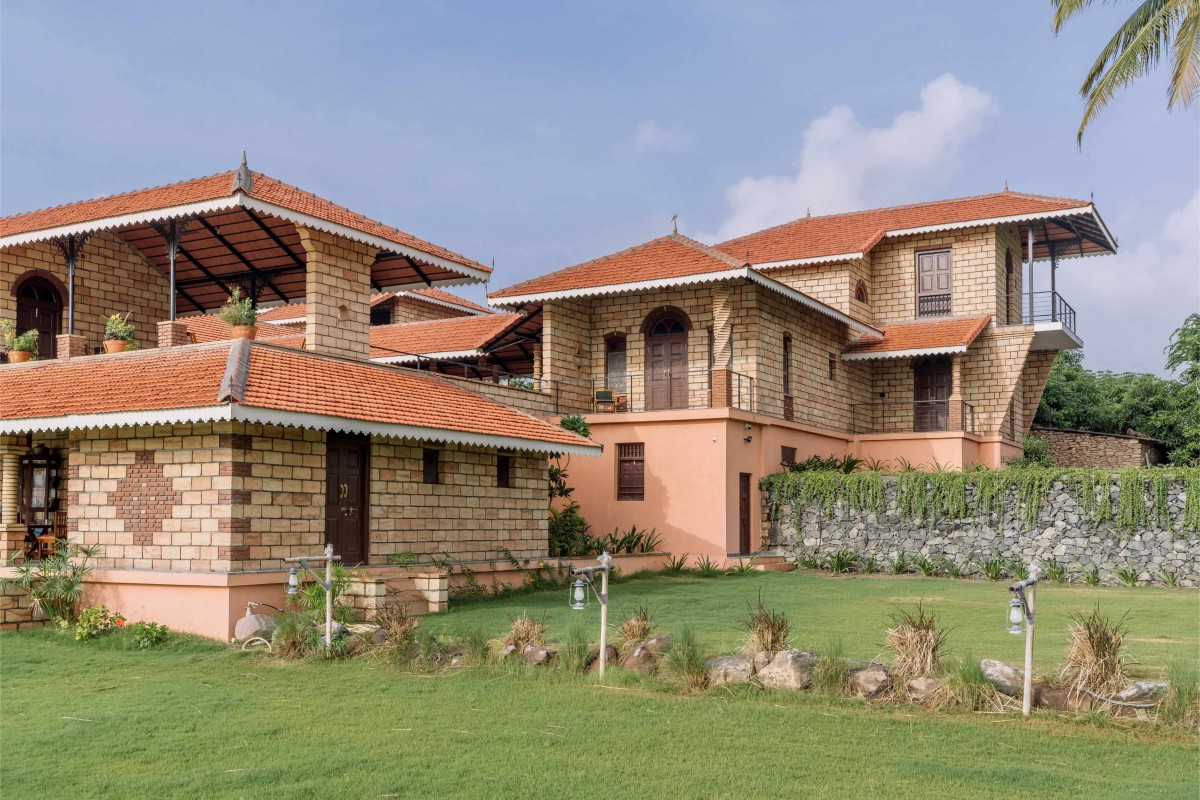
Exterior view of Rushitoya by d6thD design studio
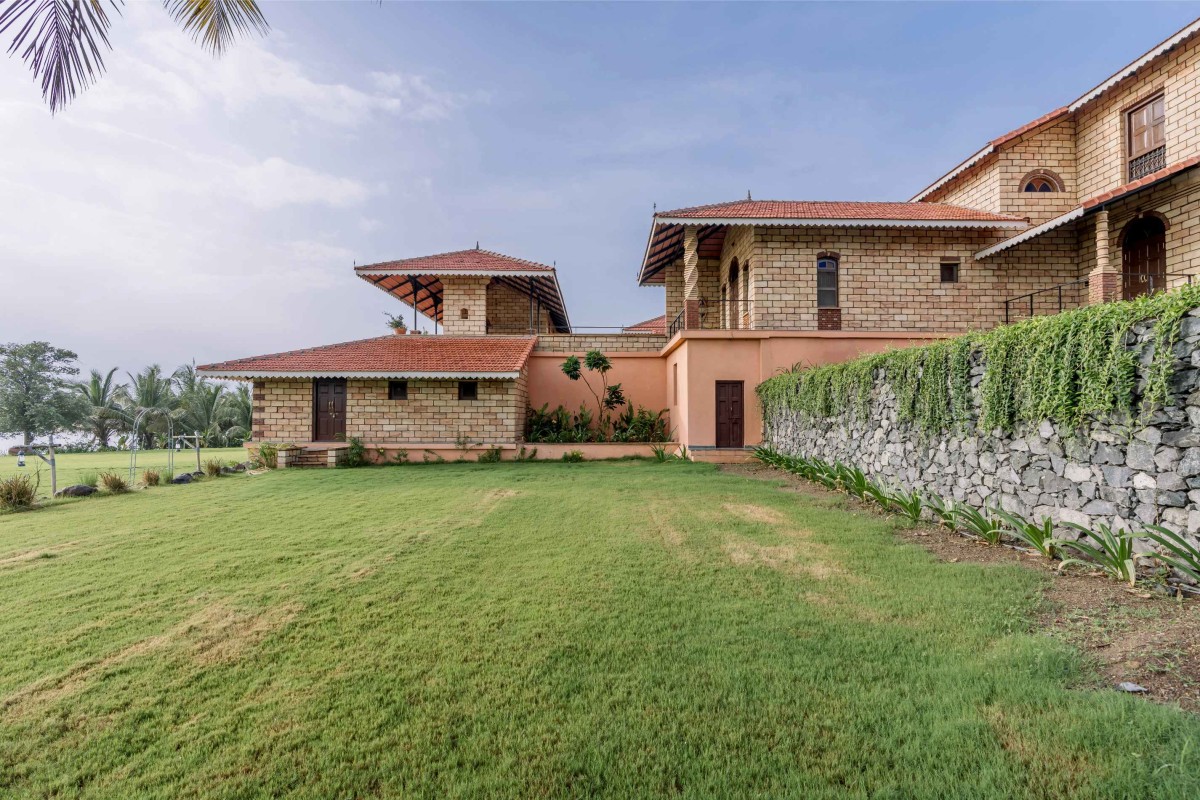
Exterior view of Rushitoya by d6thD design studio
Exterior view of Rushitoya by d6thD design studio
Upper Courtyard of Rushitoya by d6thD design studio
This play of levels also influences the microclimate—while the upper semi-covered spaces provide shade and openness, the sunken courtyard remains naturally cooler, creating a comfortable retreat from the heat. Through this thoughtful layering of spaces, the homestay achieves a seamless blend of function, symbolism, and environmental responsiveness.
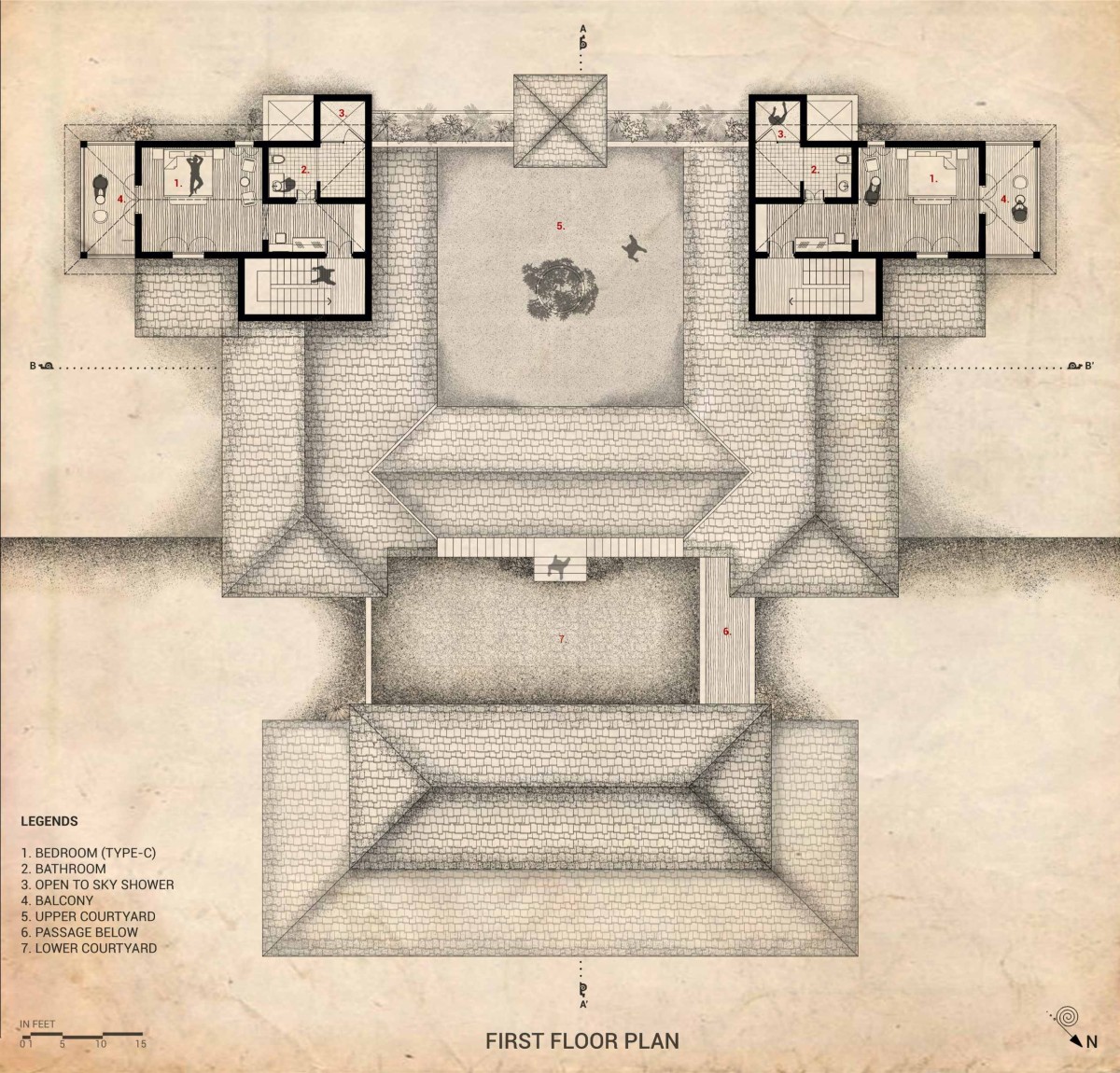
The upper floor houses only two rooms, mirroring the configuration of the ground floor rooms, reinforcing a sense of spatial hierarchy while maintaining privacy. The homestay’s layout ensures that guests can experience privacy while also being part of a collective, fluid spatial experience.
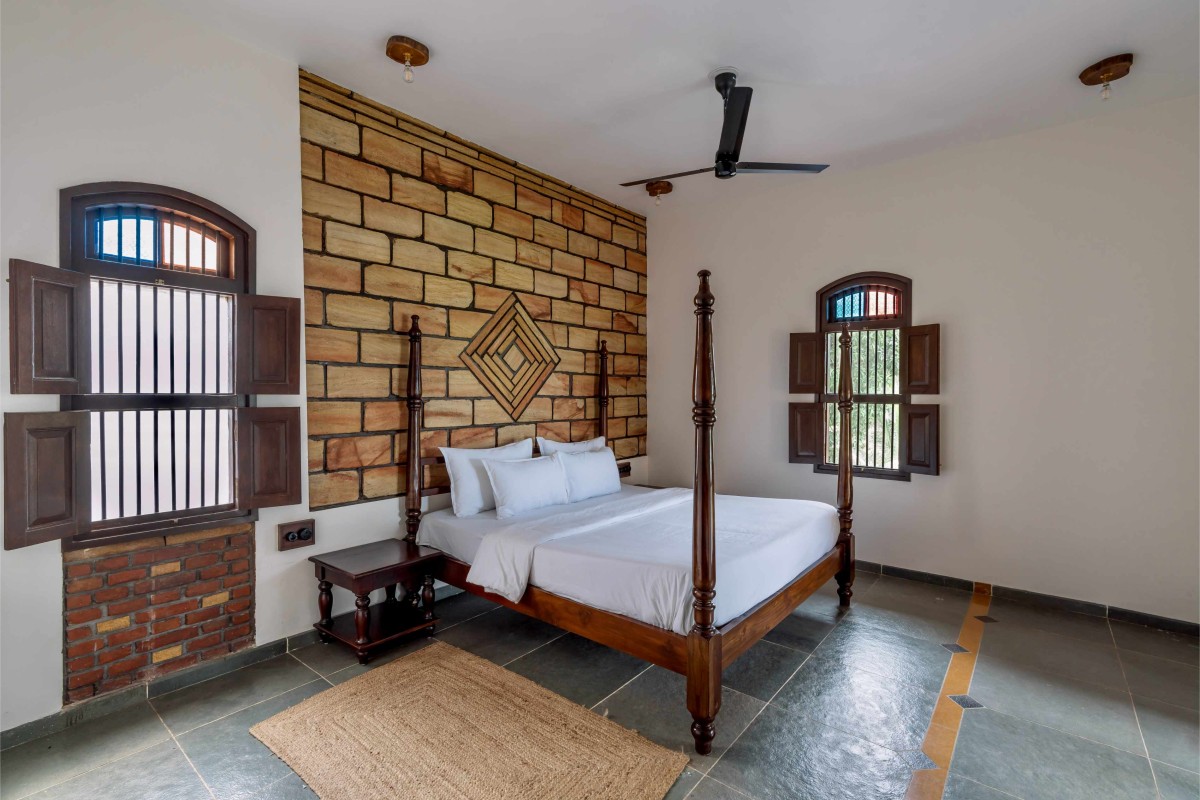
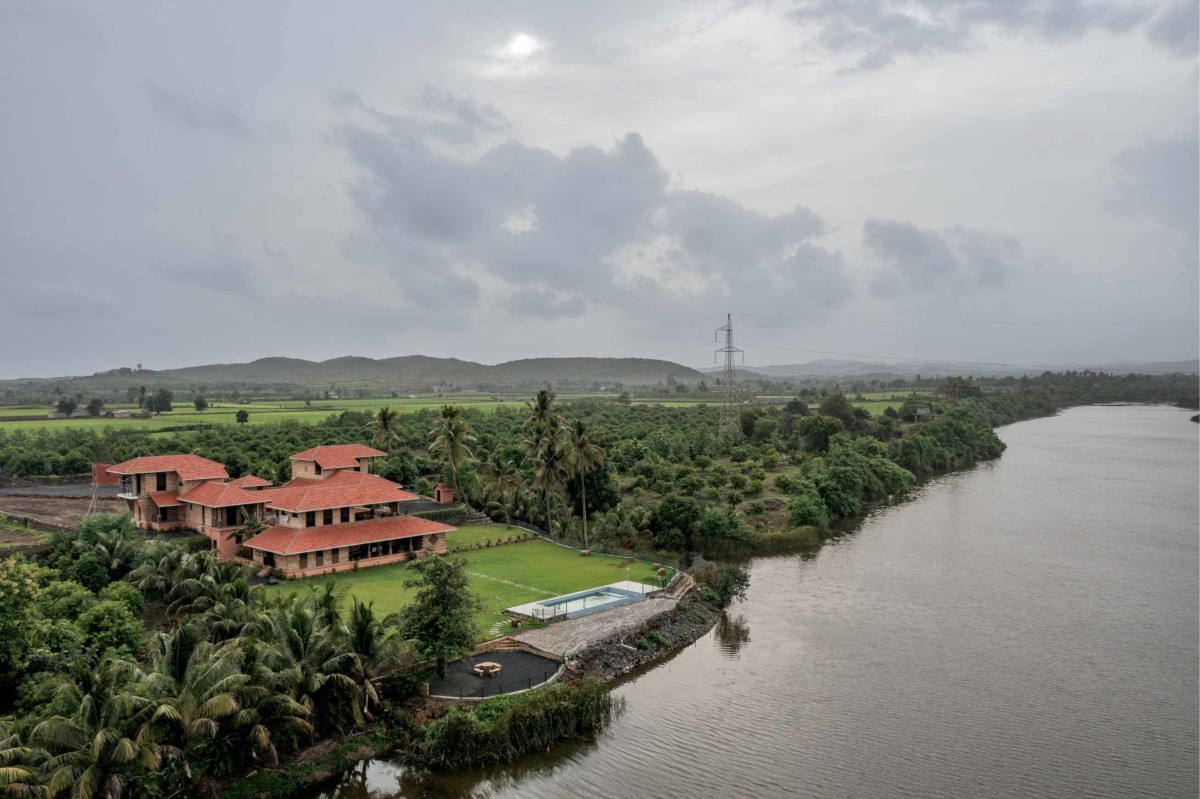
The building derives its strength from load-bearing construction, avoiding RCC entirely and instead relying on a combination of brick and stone. A key design feature is the absence of columns that would otherwise obstruct the view and the balconies are structurally designed with corbelling techniques, allowing for unobstructed panoramas. The infinity pool, positioned towards the edge, merges seamlessly with the landscape, ensuring the architecture never overpowers its natural surroundings. Materiality is integral to the design philosophy. The project extensively uses recycled local materials, particularly old teakwood doors and windows, which are sourced and repurposed to maintain authenticity. These doors feature kamans (arches) above them, supported by brick and stone columns, reinforcing the tactile quality of the space. Sandstone dominates the built fabric, ensuring continuity in material and craftsmanship while also allowing for diverse forms and detailing. Experimenting with visual details onsite is a significant way of working for Himanshu’s practice like surface patterns, incorporating niches or details which adds a celebratory character to the space, making it dynamic and responsive to the traditions it seeks to uphold.
Bedroom of Rushitoya by d6thD design studio
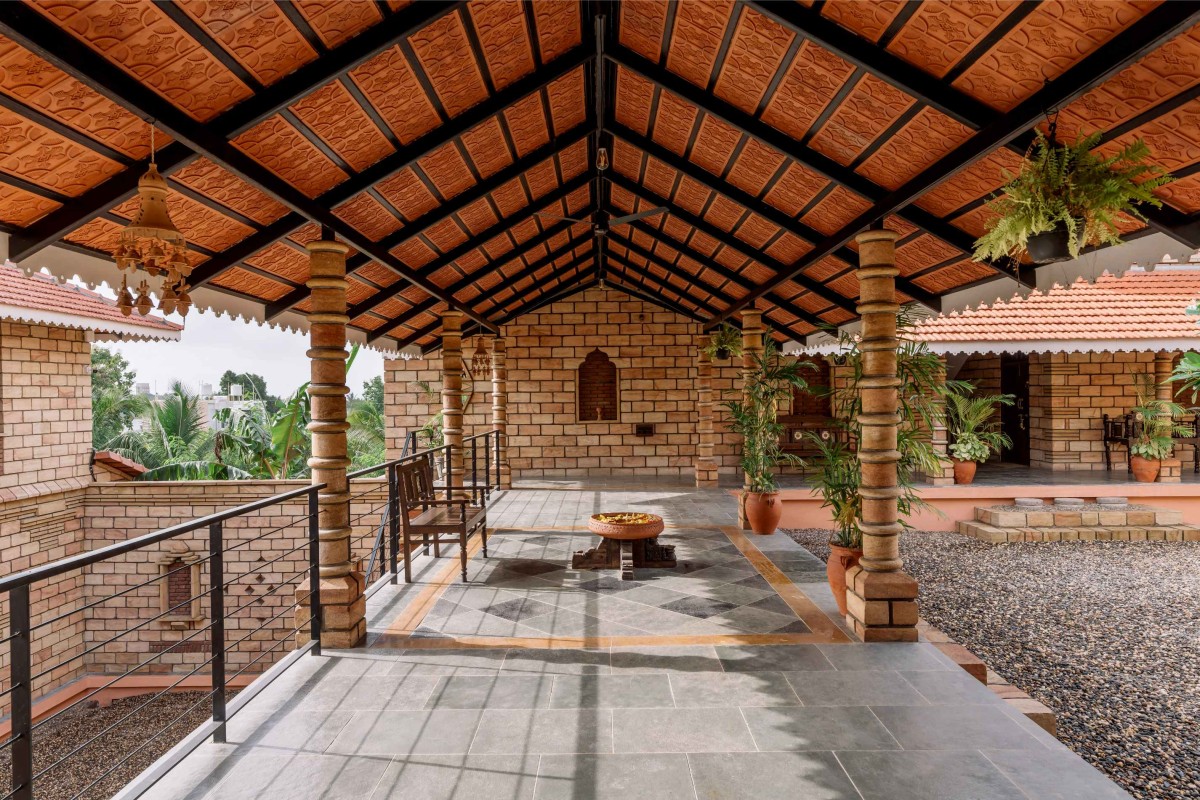
Central Passage of Rushitoya by d6thD design studio
View from central passage of Rushitoya by d6thD design studio
Passage of Rushitoya by d6thD design studio
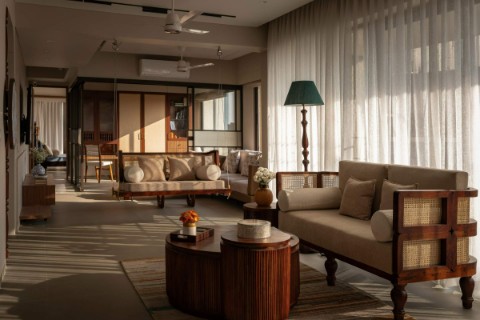
Multipurpose area of Rushitoya by d6thD design studio
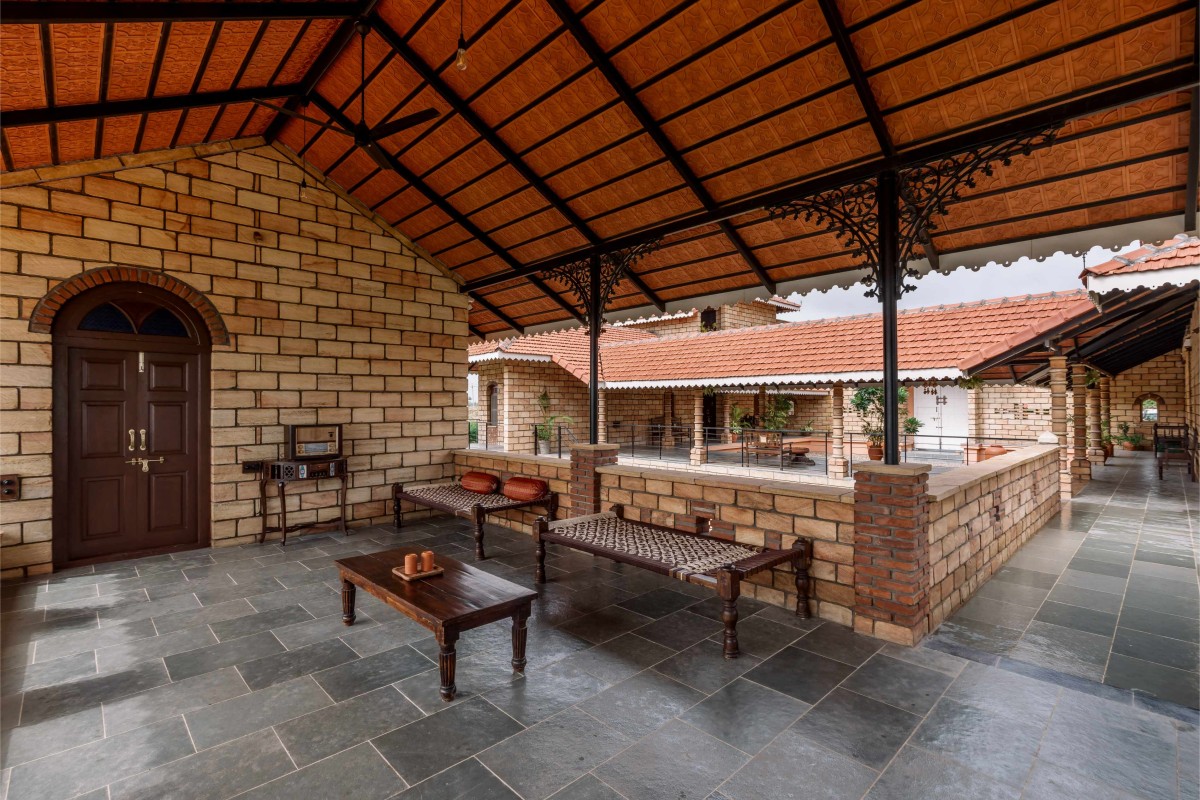
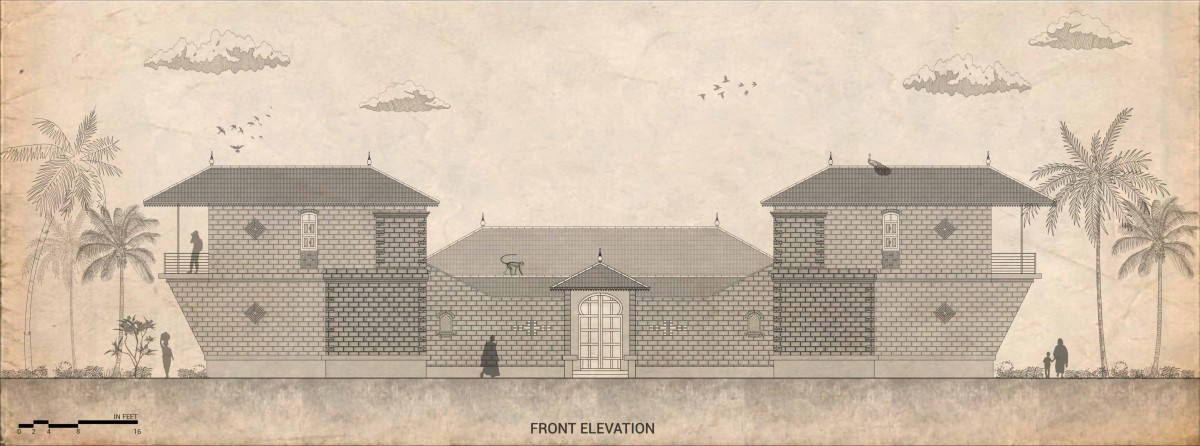
The spatial hierarchy is accentuated through the interplay of covered, semi-covered, and open spaces. These transitions are intrinsic to the design, allowing movement to feel natural and intuitive. The building’s character shifts dramatically between the entry side and the river-facing façade—one intimate and enclosed, the other expansive and panoramic. Given the project’s proximity to wilderness, security becomes an essential consideration. The design ensures that when doors are closed, the entire homestay is locked down as a singular, self-contained unit, protecting its inhabitants. This thoughtful integration of safety into the architectural language further reinforces the idea of the homestay as a home first, hospitality space second. The homestay is not merely a place of rest; it is designed as a cultural stage. The passageways around the courtyard act as informal performance spaces, where guests can witness dayras (folk storytelling events).
From the finely crafted railings to the thoughtful use of traditional construction techniques, every detail is intentional. Jaalis filter light, casting dynamic patterns that shift throughout the day, adding to the homestay’s timeless charm. Despite these intricate design elements, the project remains deeply rooted in authenticity while maintaining an economical approach. Ultimately, the homestay is a symphony of levels, materials, and cultural narratives. It is a place where vernacular knowledge meets contemporary sensitivity, where architecture respects its landscape rather than imposing upon it. By treating the homestay as a house first, the design ensures that it remains intimate, experiential, and deeply connected to its roots–celebrating and conserving vernacular techniques by building new and not just restoring old.
Multipurpose area of Rushitoya by d6thD design studio
View from central passage of Rushitoya by d6thD design studio
View from staircase of Rushitoya by d6thD design studio
Lower Courtyard of Rushitoya by d6thD design studio
Lower Courtyard of Rushitoya by d6thD design studio
Lower Courtyard of Rushitoya by d6thD design studio
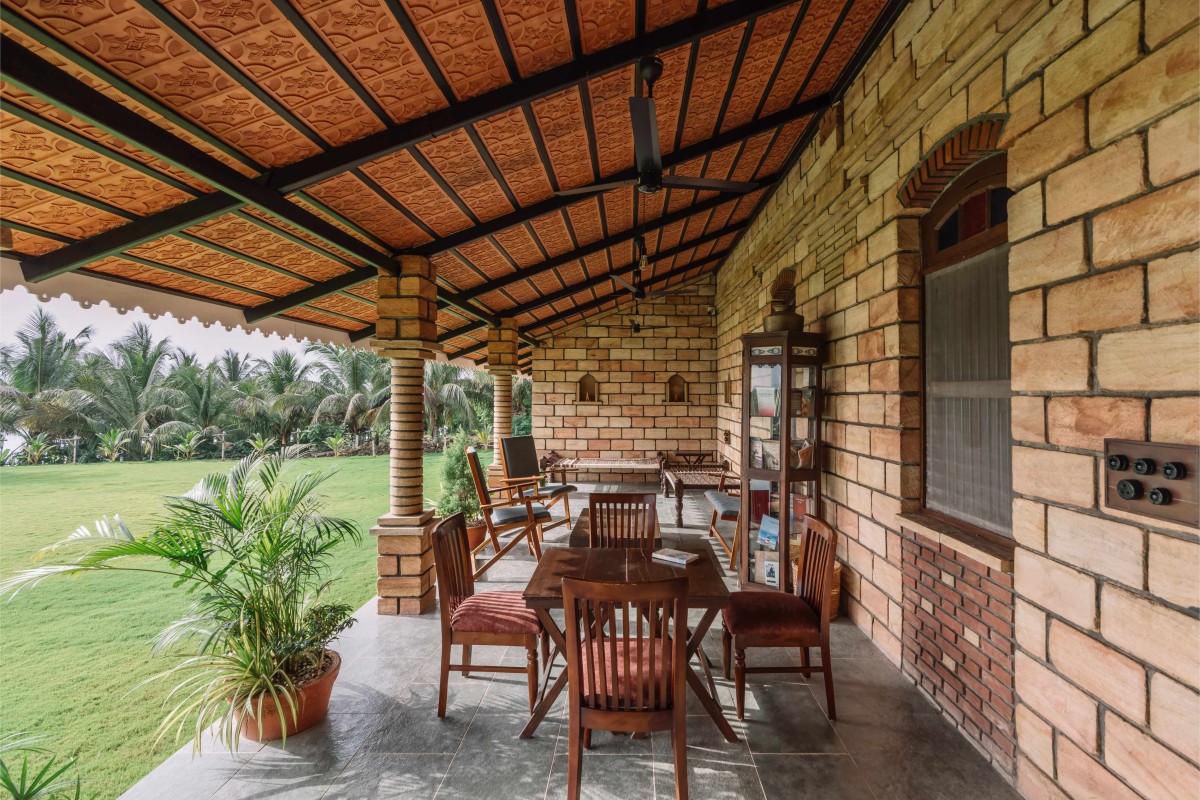
Verandah of Rushitoya by d6thD design studio
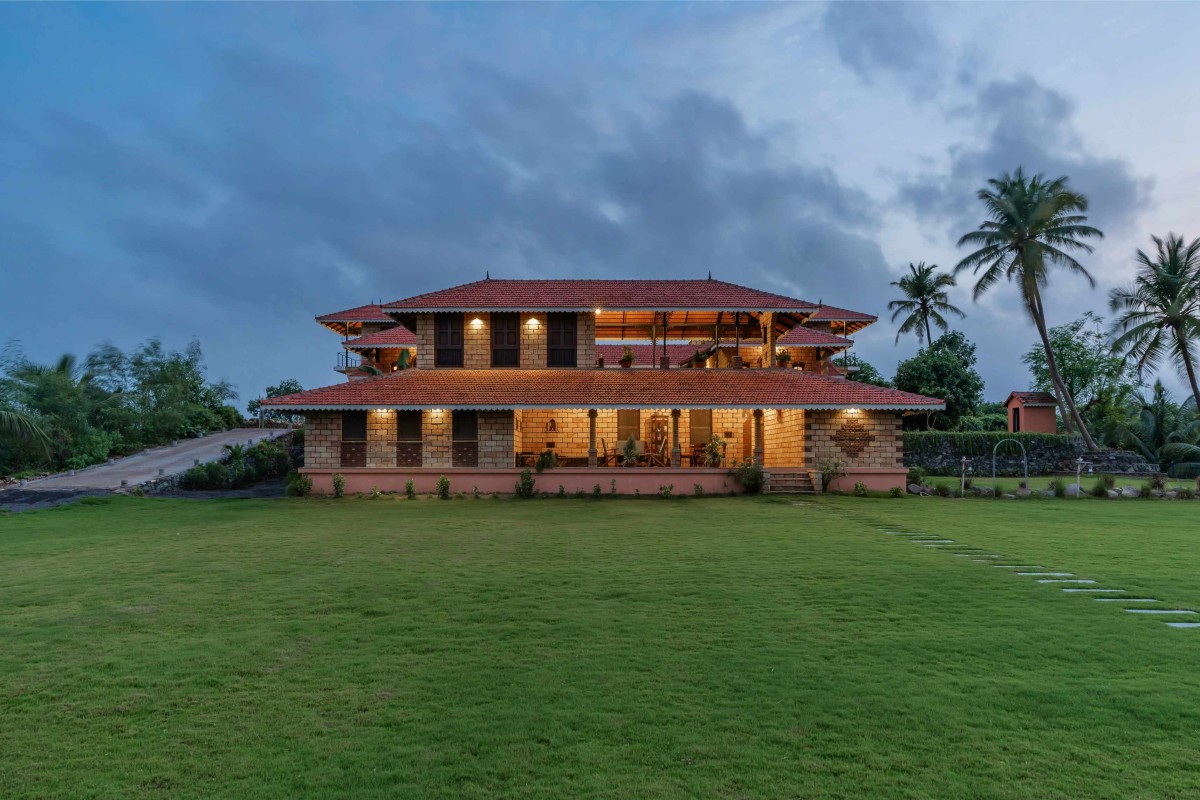
Dusk light exterior view of Rushitoya by d6thD design studio
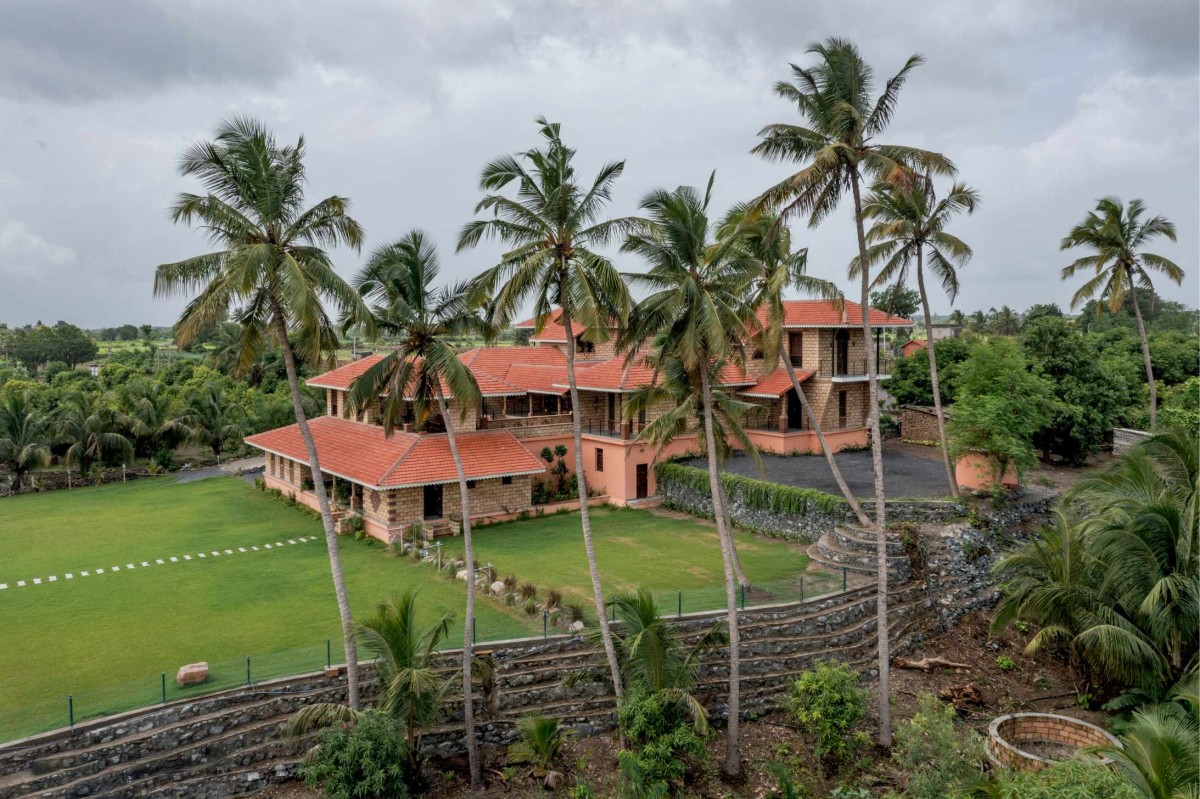
Aerial view of Rushitoya by d6thD design studio
Aerial view of Rushitoya by d6thD design studio
Front Elevation of Rushitoya by d6thD design studio
Side Elevation of Rushitoya by d6thD design studio
River side elevation of Rushitoya by d6thD design studio
Master Plan of Rushitoya by d6thD design studio
Ground Floor Plan of Rushitoya by d6thD design studio
Lower Level Plan of Rushitoya by d6thD design studio
Upper Level Plan of Rushitoya by d6thD design studio
Site Section of Rushitoya by d6thD design studio