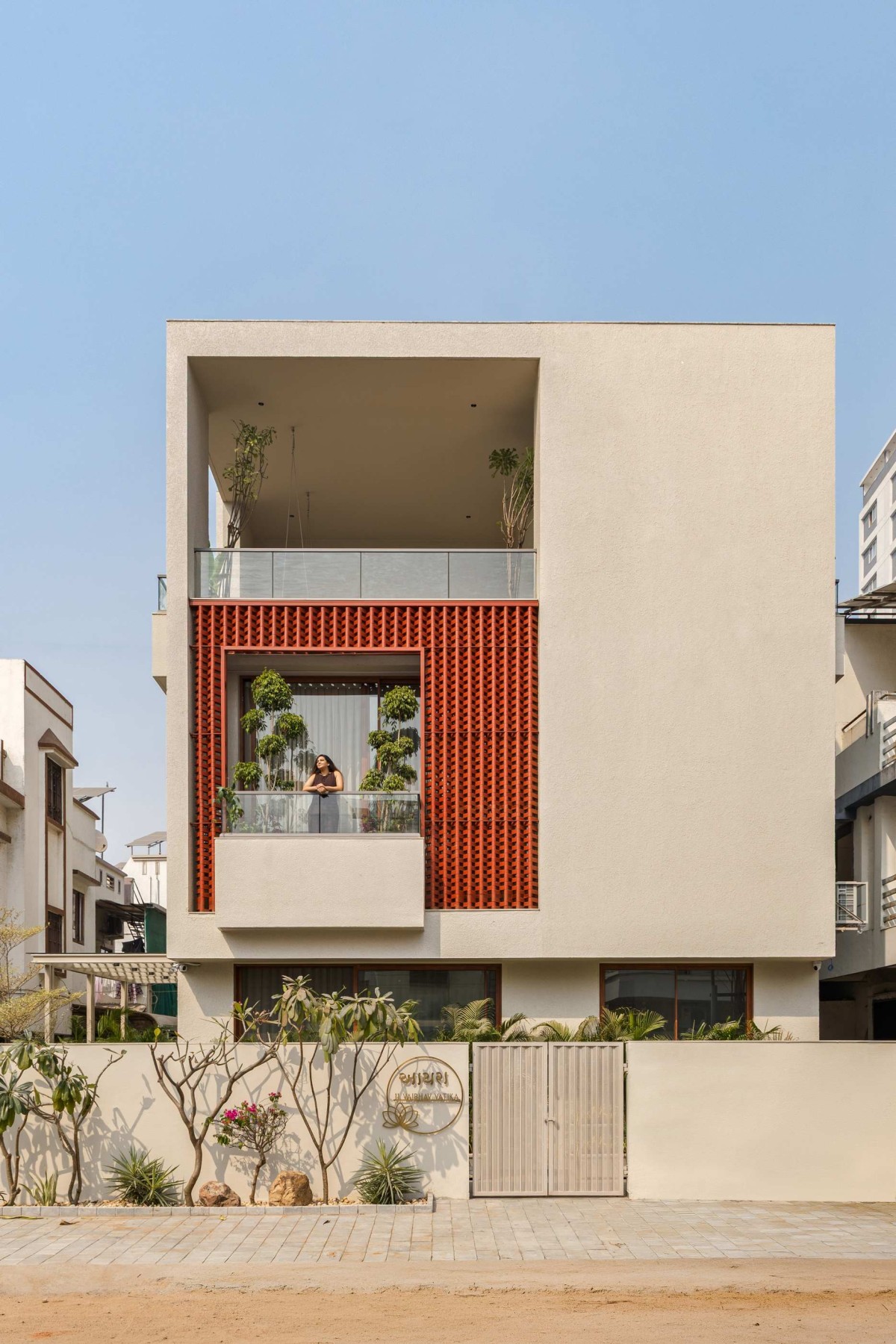
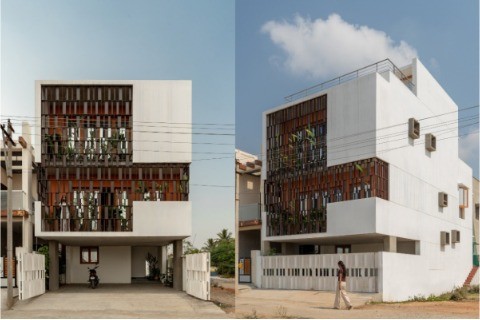
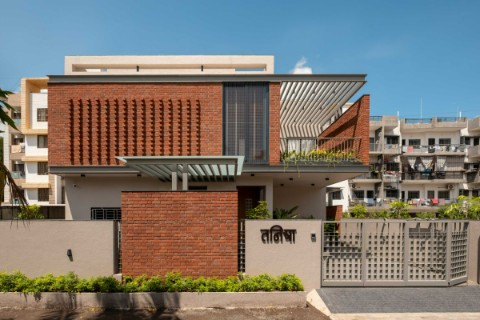
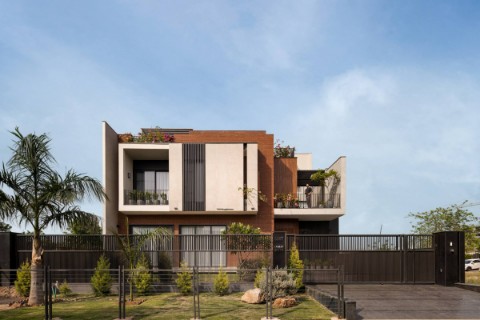
Exterior view of The Void of Faith by Studio REFORM
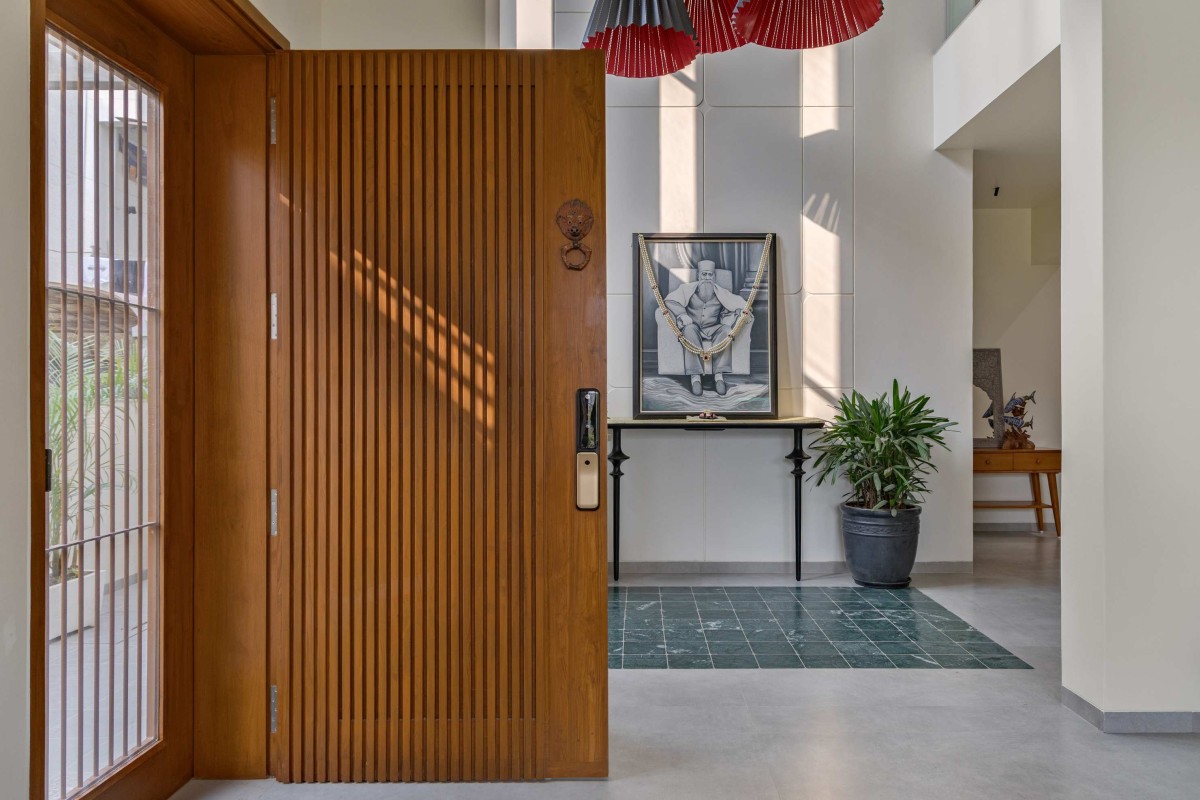
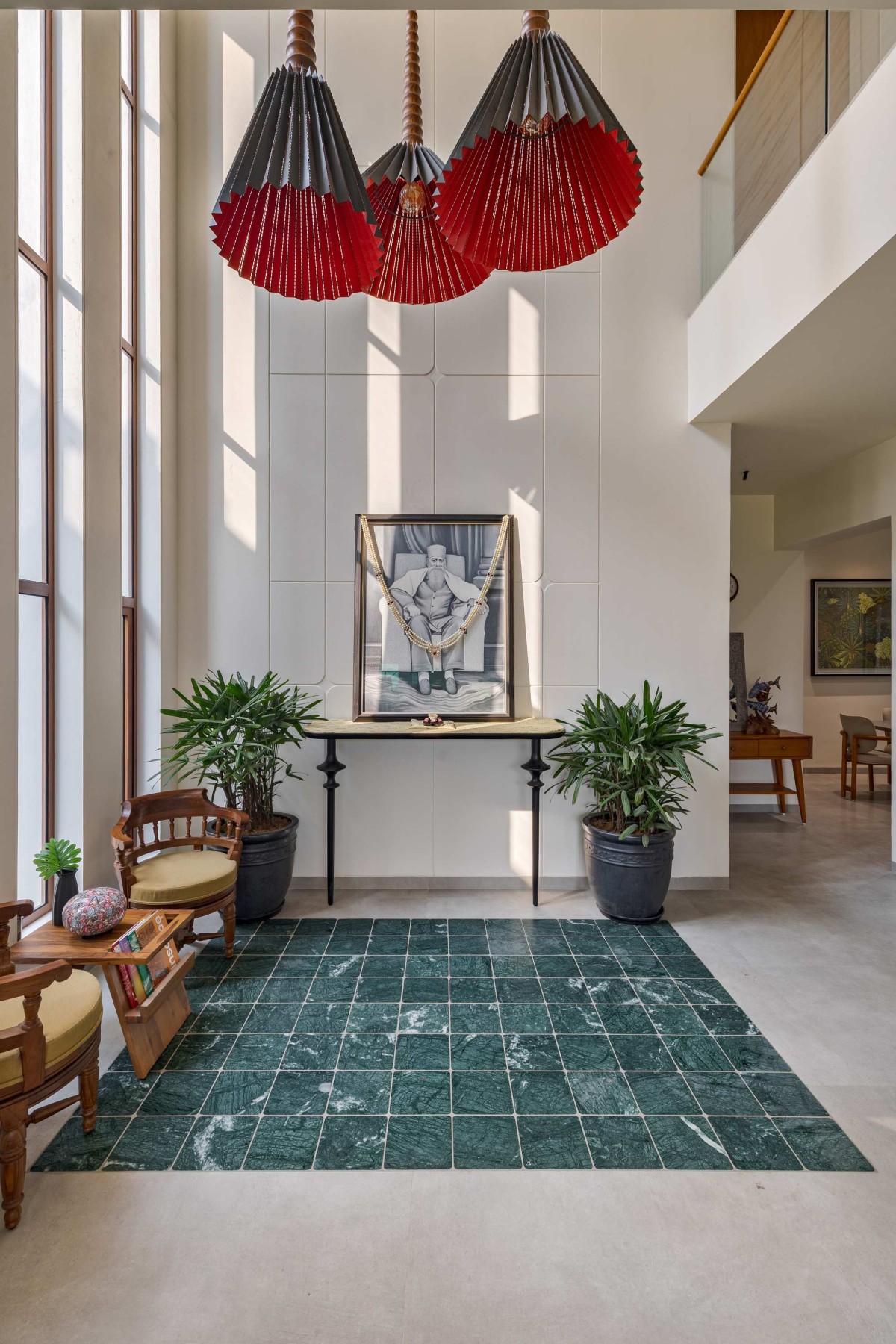
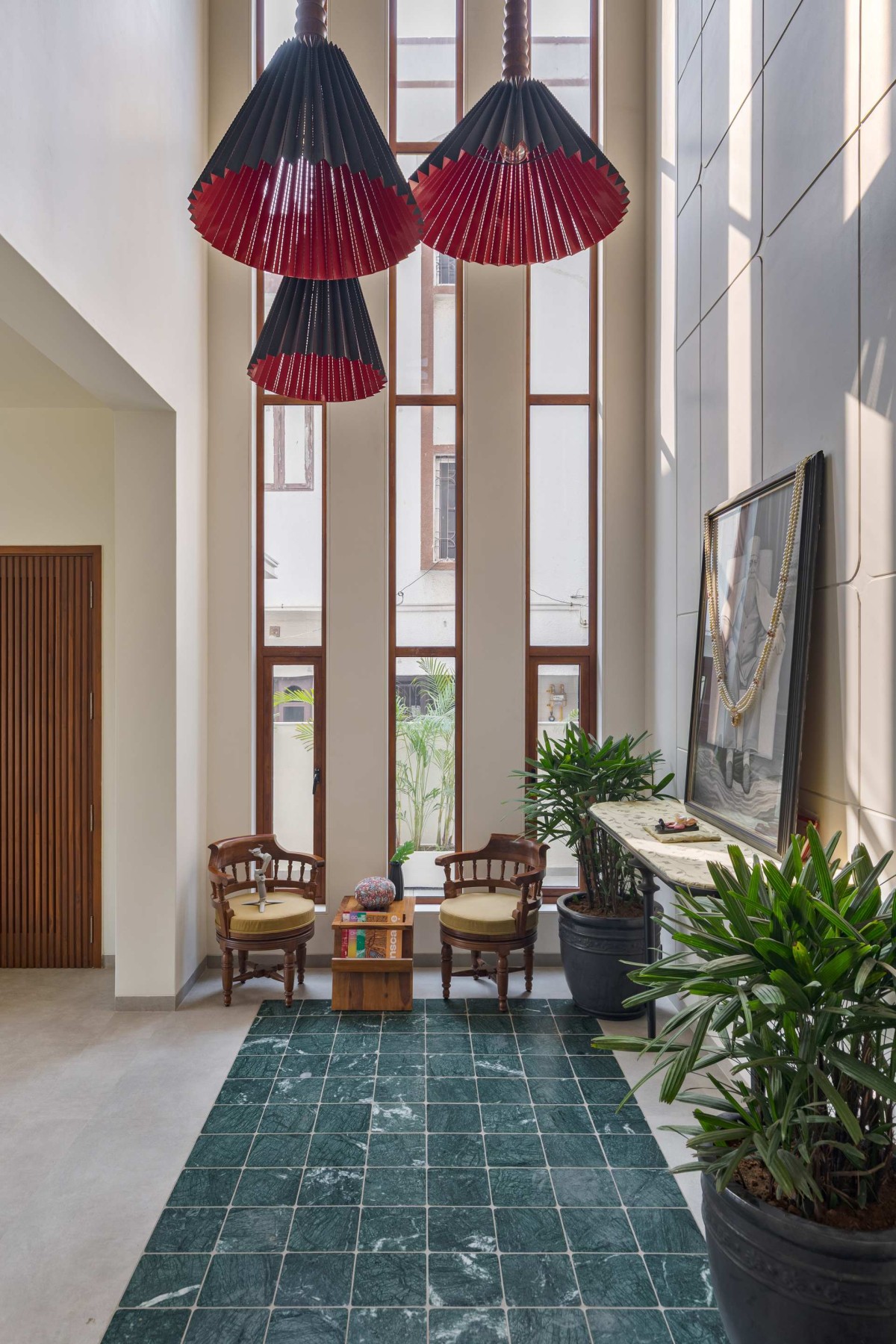
Foyer of The Void of Faith by Studio REFORM
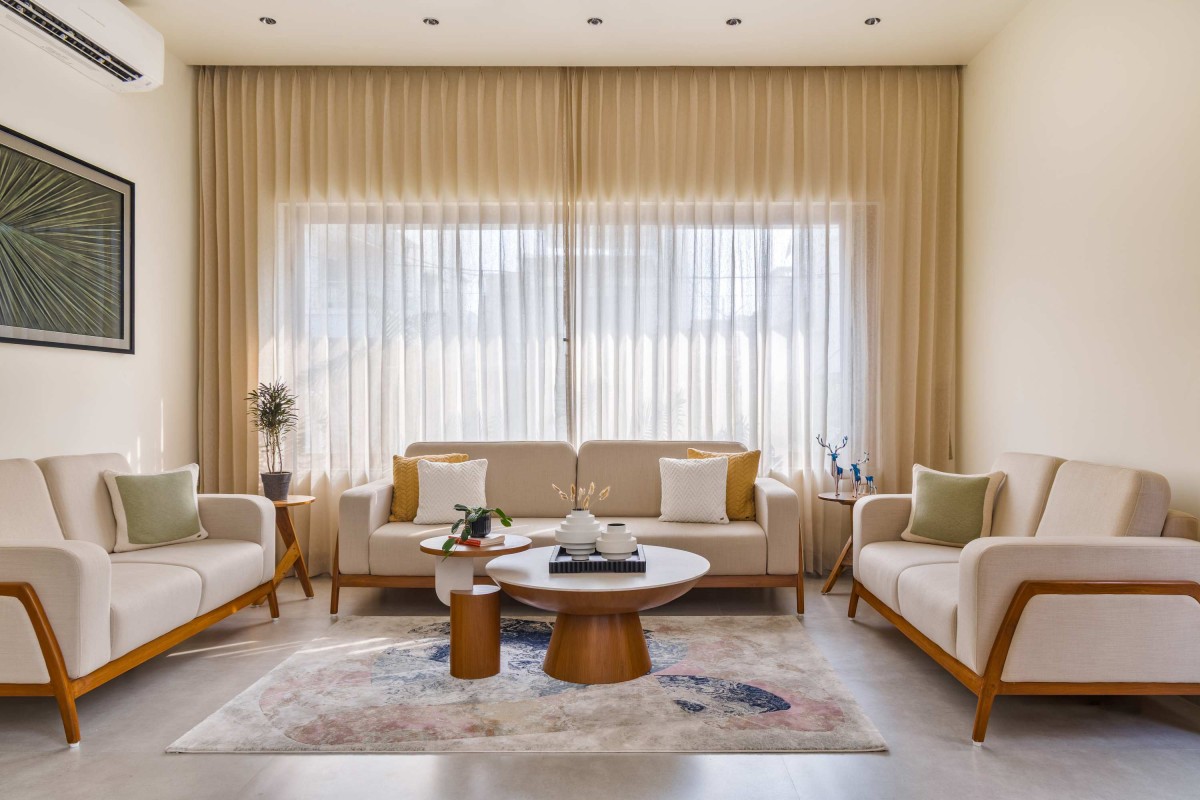
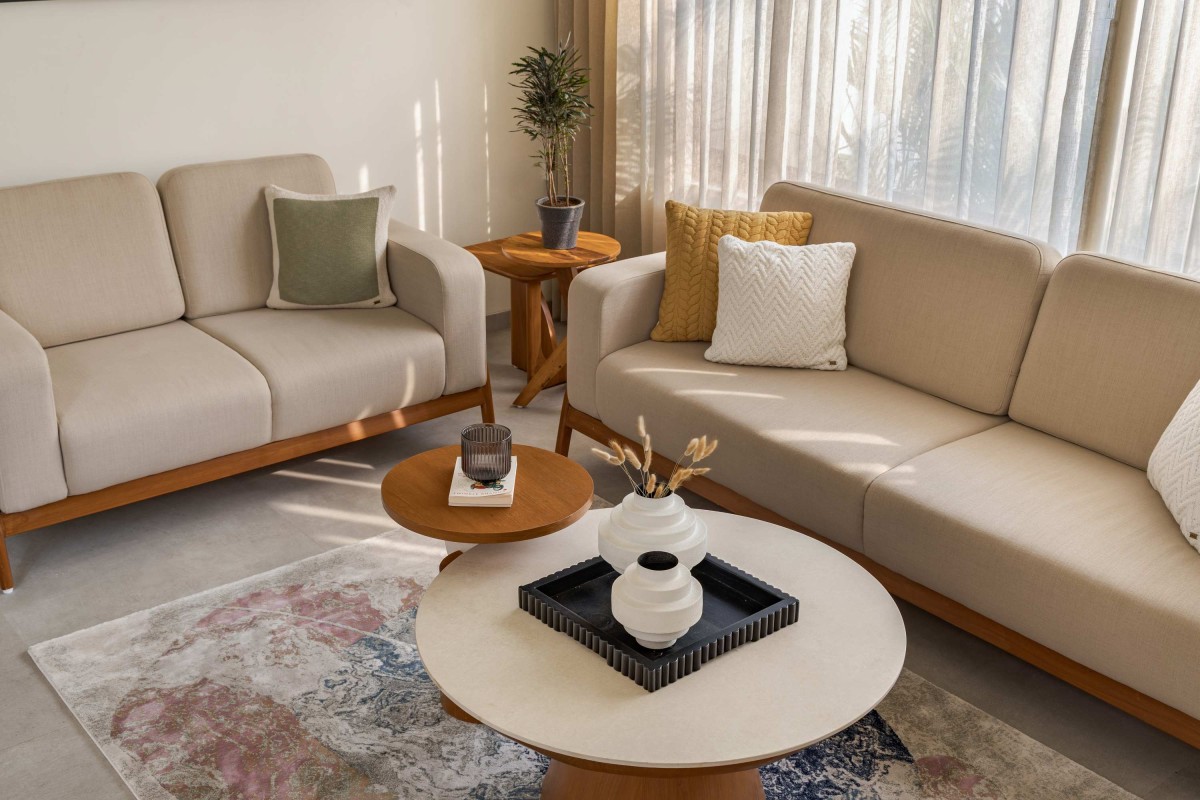
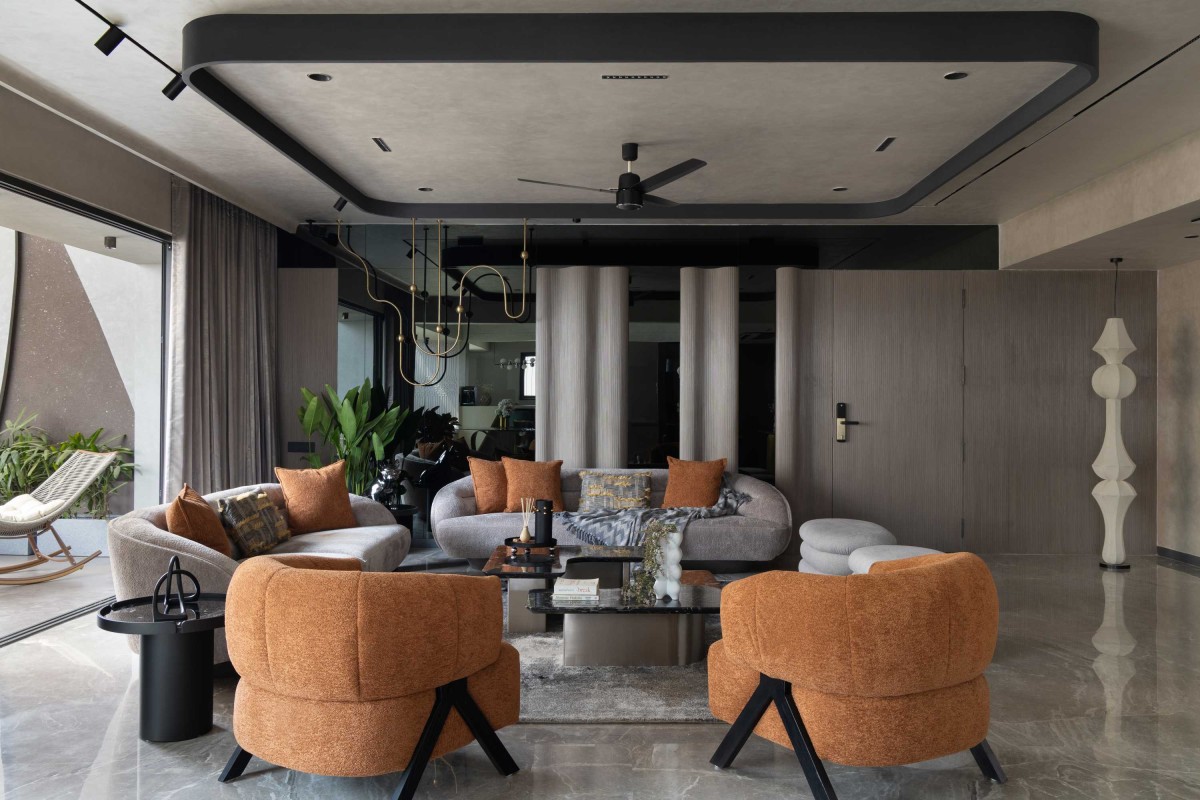
Living room of The Void of Faith by Studio REFORM
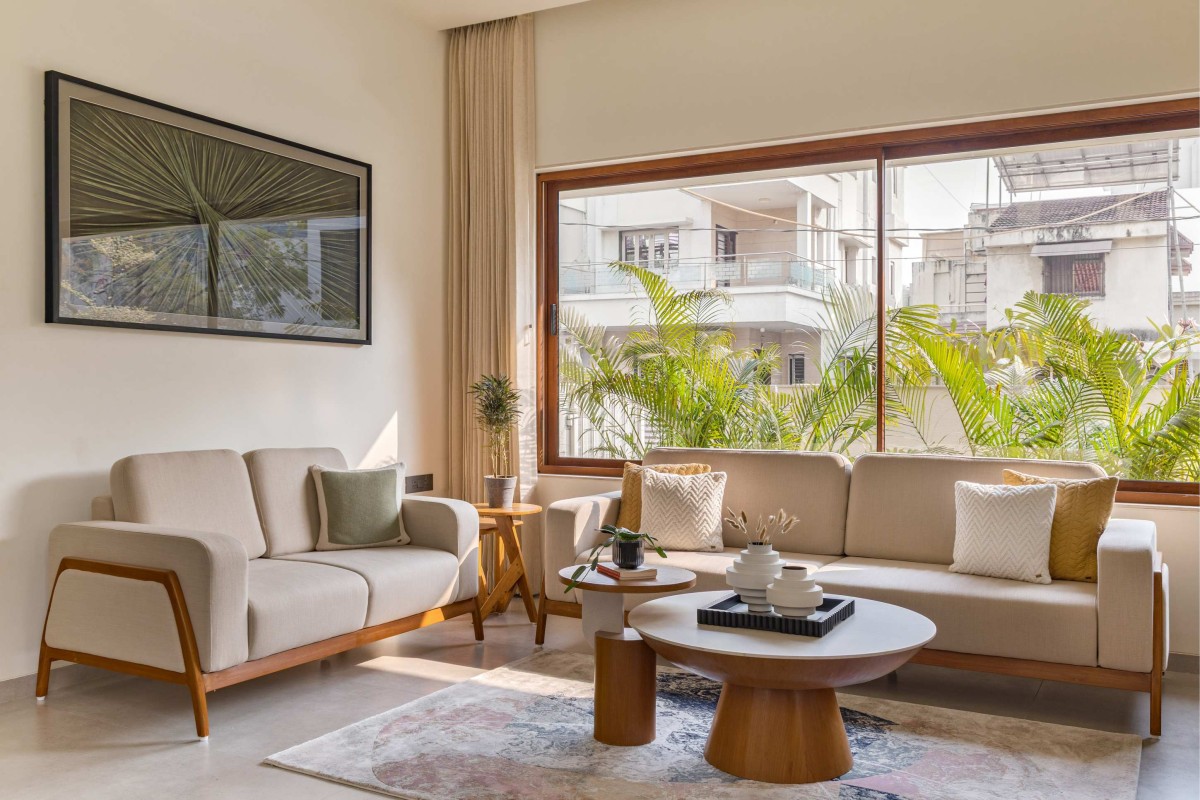
Living room of The Void of Faith by Studio REFORM
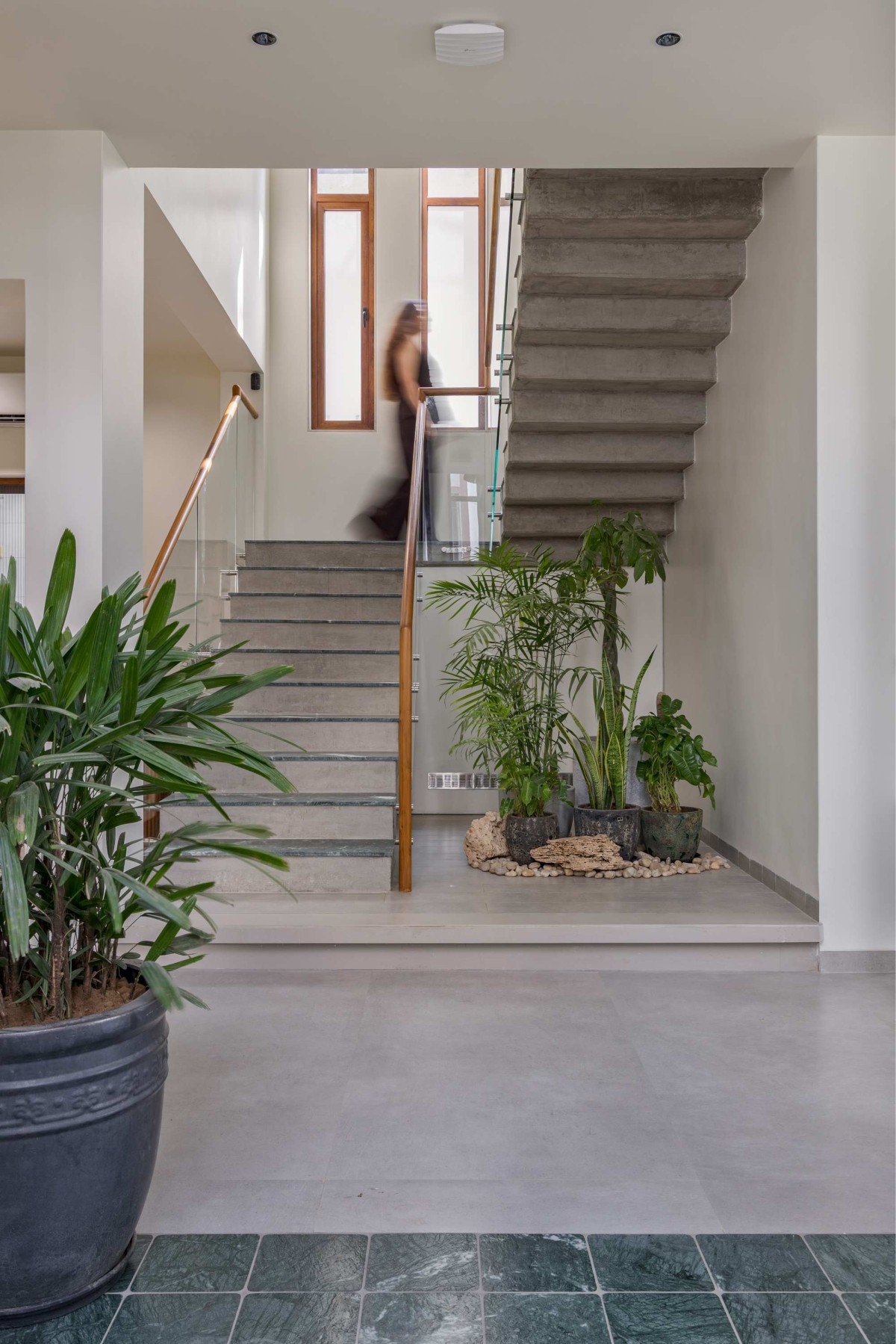
The ground floor is defined by two primary axes: one with the living, courtyard, and kitchen, and the other linking the courtyard to the vertical circulation of the staircase. This floor houses the public zones and a bedroom; all focused around the central void. As one ascends, the transition is marked by a bridge passage on the first floor. This architectural element acts as a physical and visual link, overlooking the courtyard below and reinforcing the sense of familial connectivity.
Living room of The Void of Faith by Studio REFORM
Courtyard of The Void of Faith by Studio REFORM
Courtyard of The Void of Faith by Studio REFORM
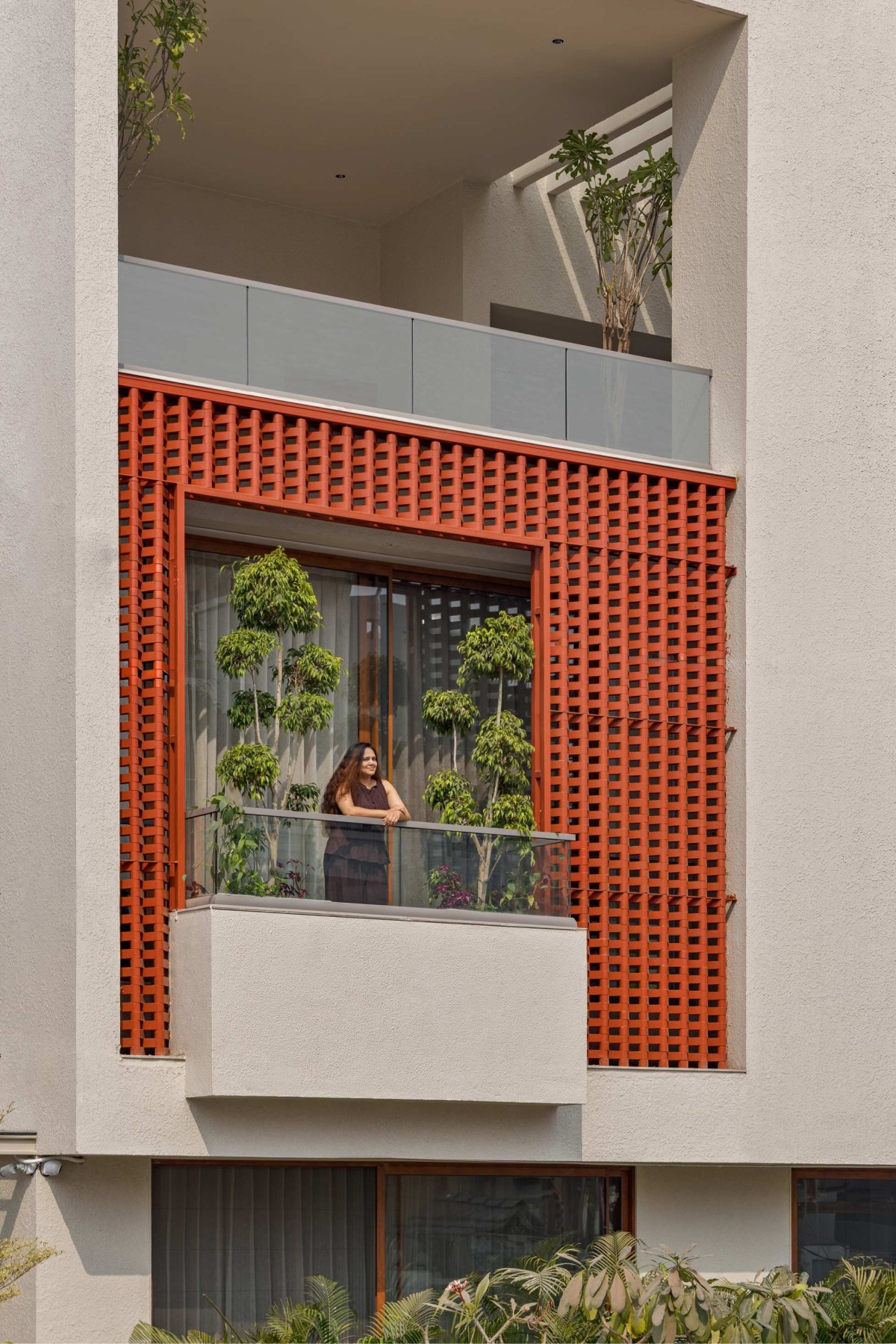
The massing of the house strictly follows this planning concept, keeping the courtyard axis as the primary focus. This axis is translated onto the exterior elevation, where it is highlighted as a striking double-height frame stretching from the first to the second floor.
Light is treated as a dynamic inhabitant of the house rather than a passive element. Long, slender slit windows on the east and west facades orchestrate a "hide-and-seek" with the sun, casting dramatic, shifting streaks across the double-height walls of the courtyard.
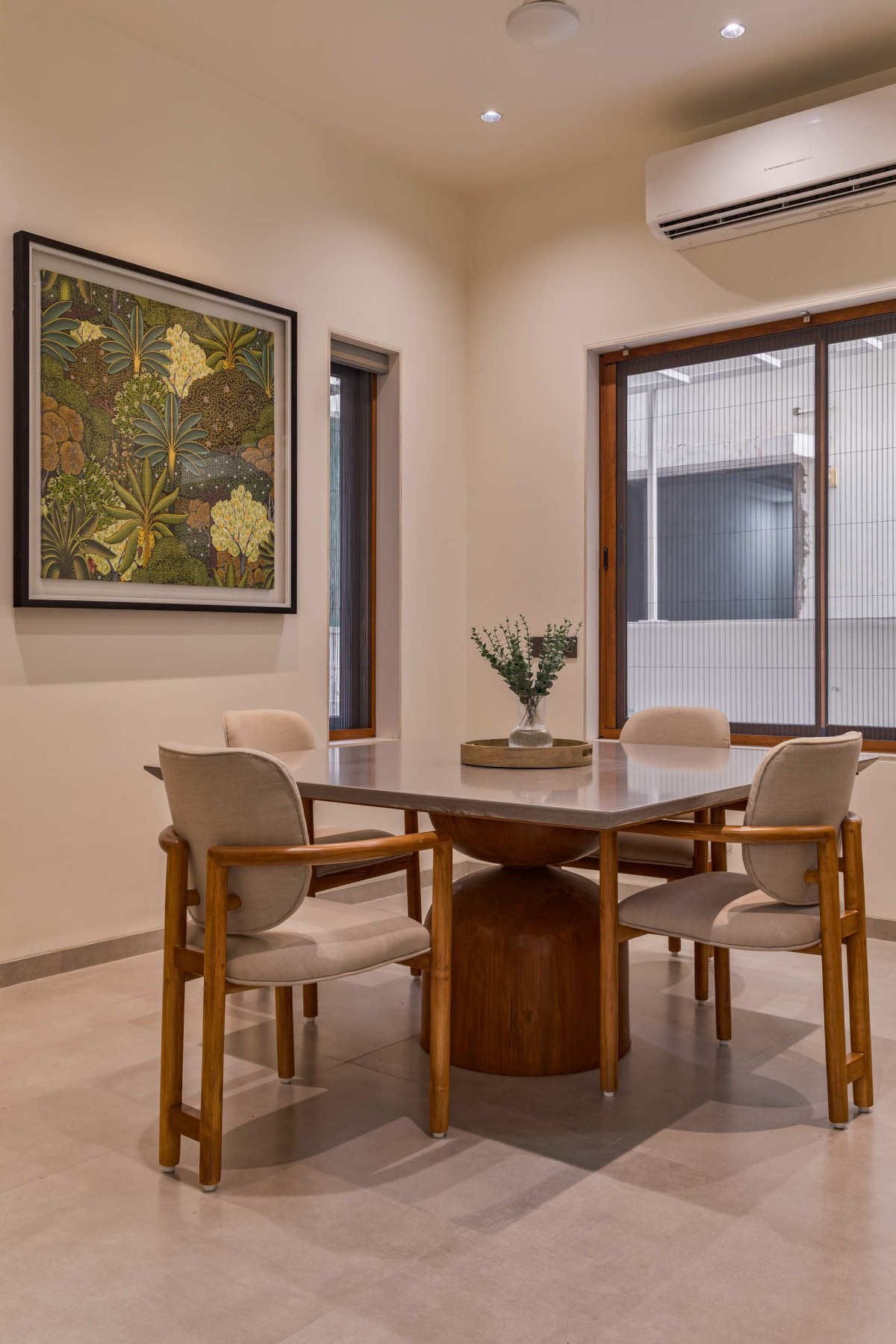
Dining of The Void of Faith by Studio REFORM
Staircase court of The Void of Faith by Studio REFORM
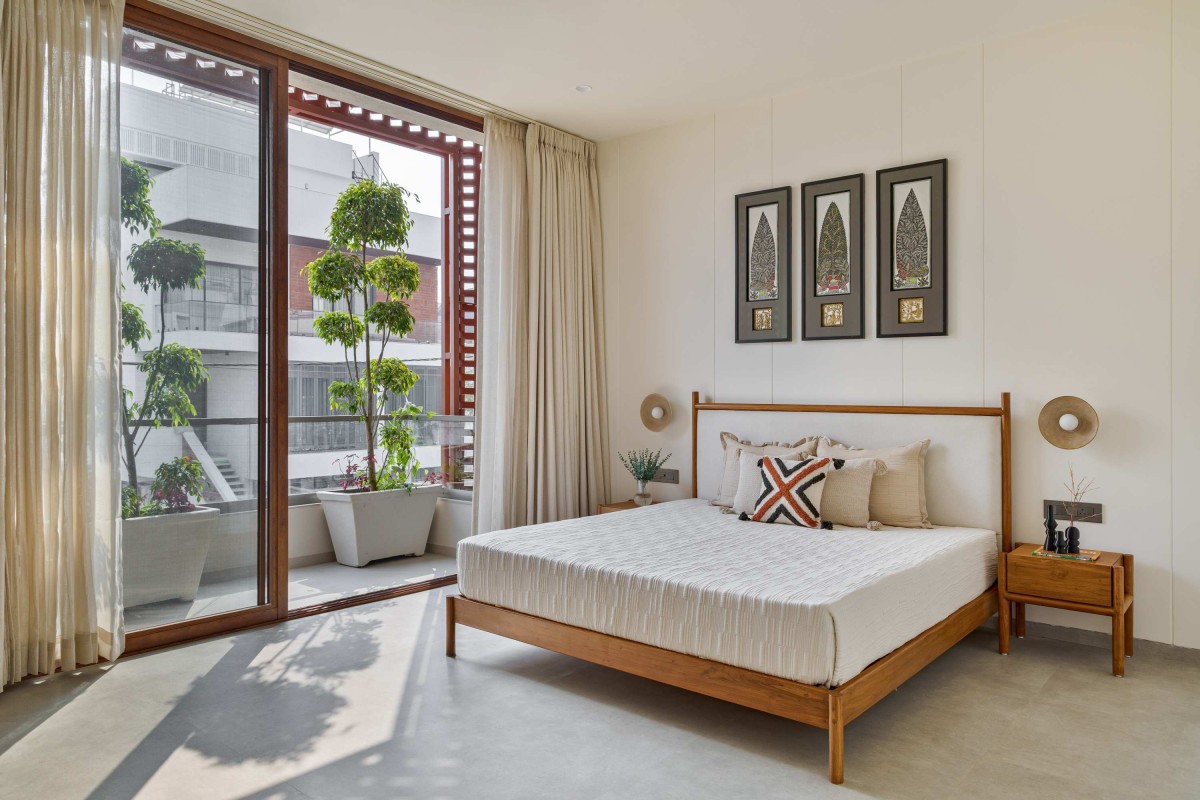
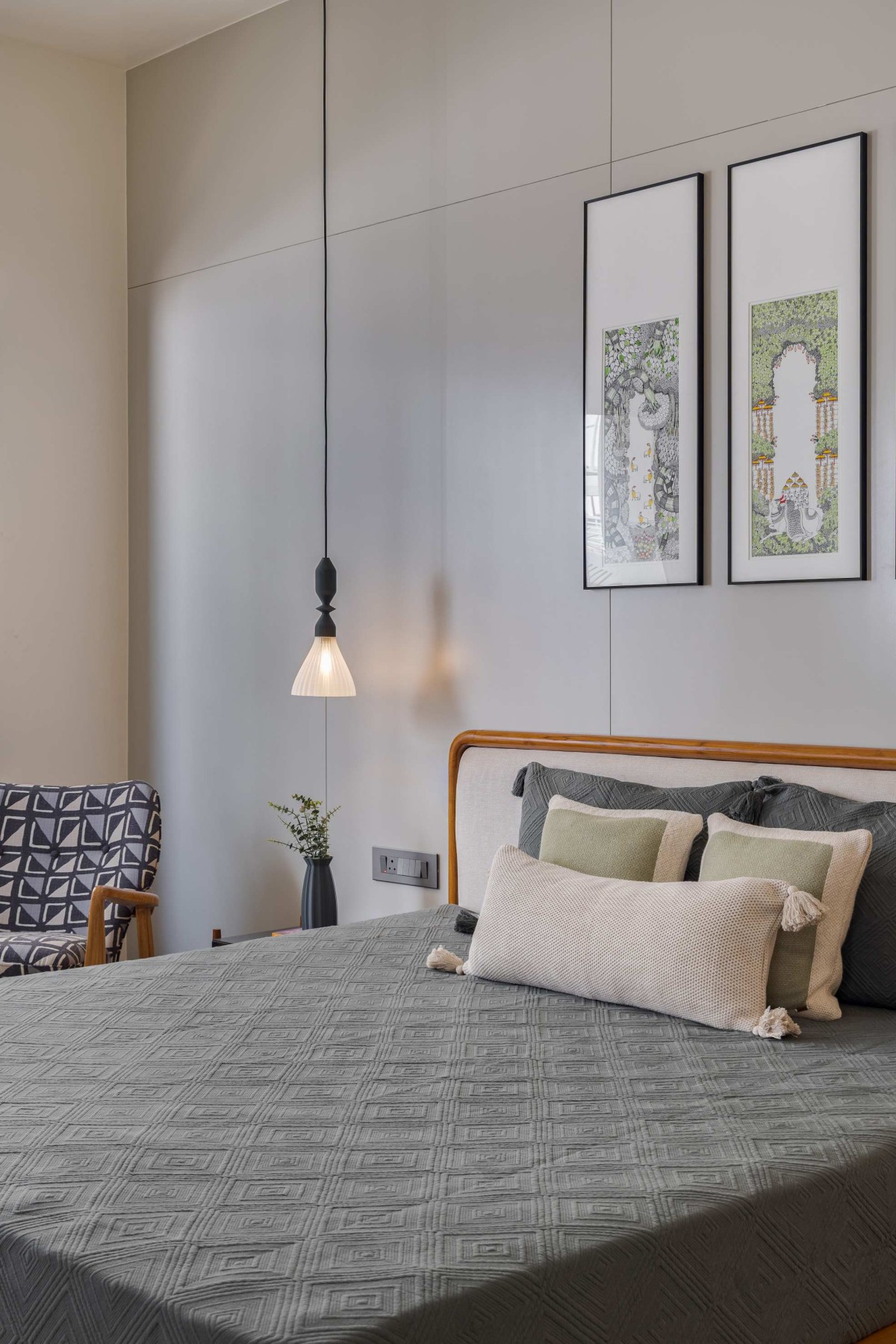
Master Bedroom of The Void of Faith by Studio REFORM
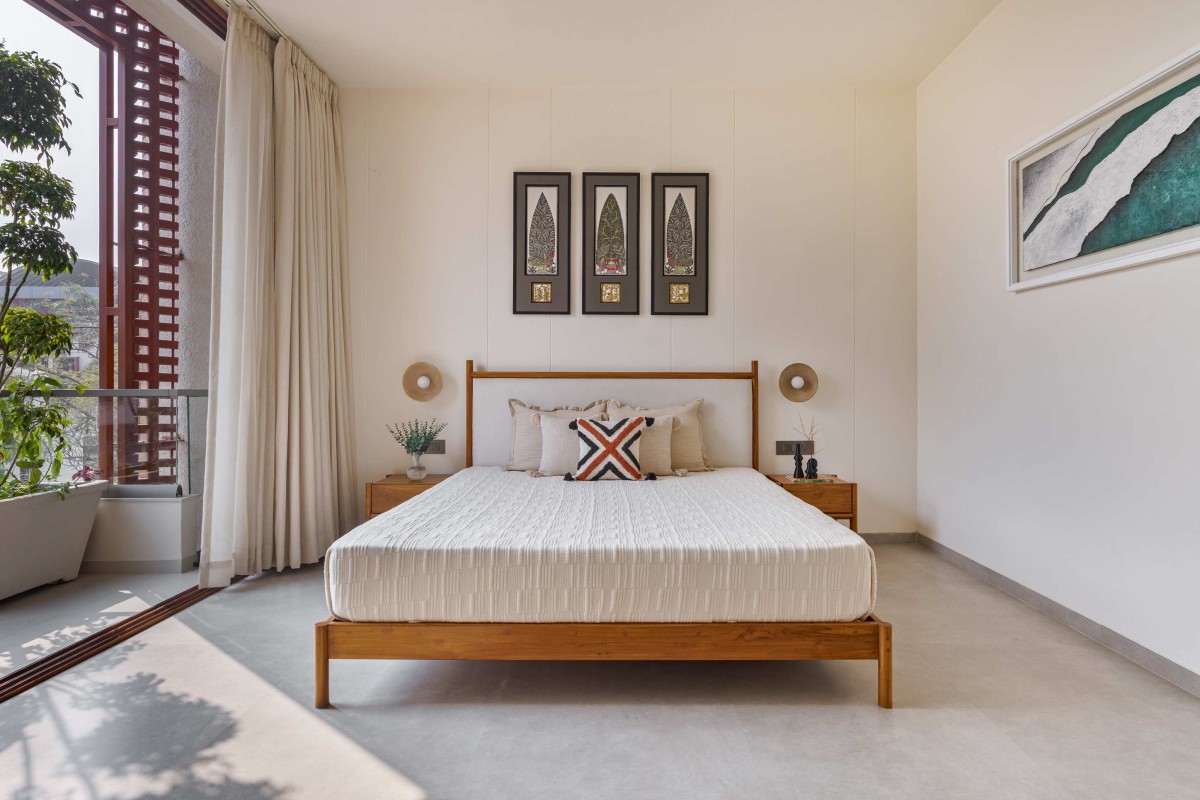
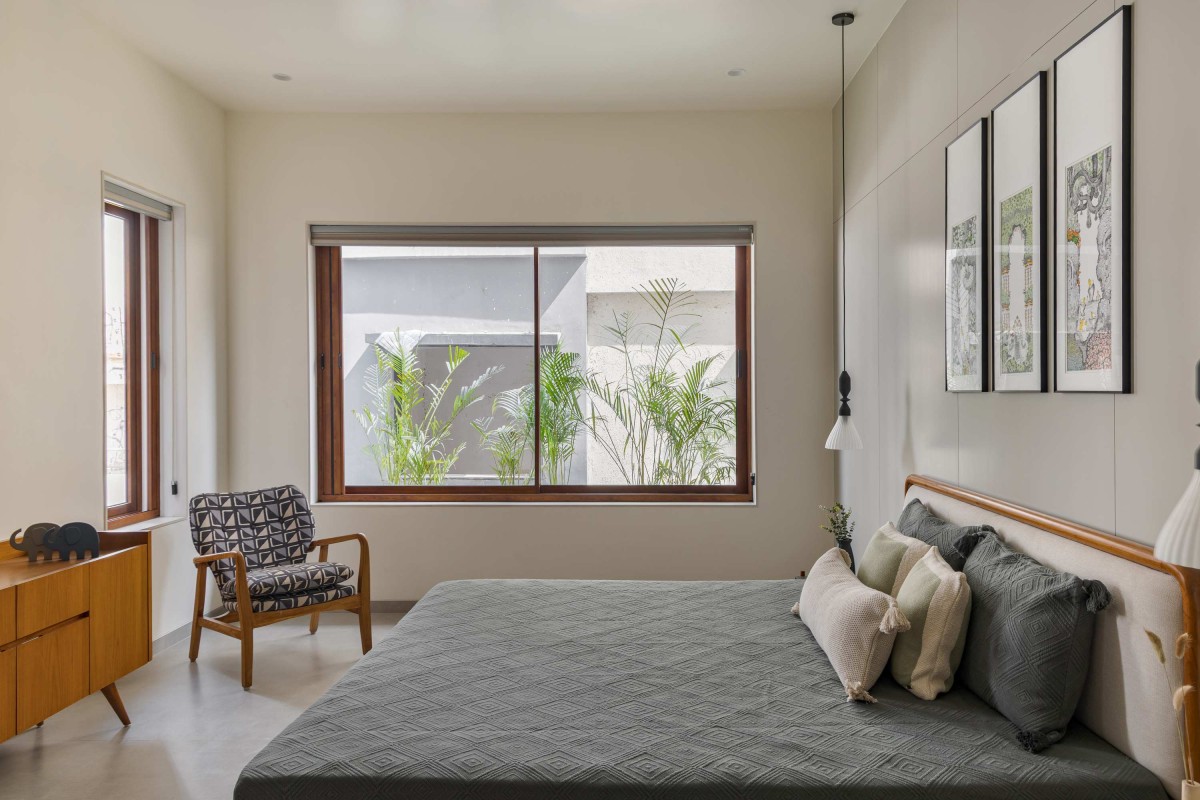
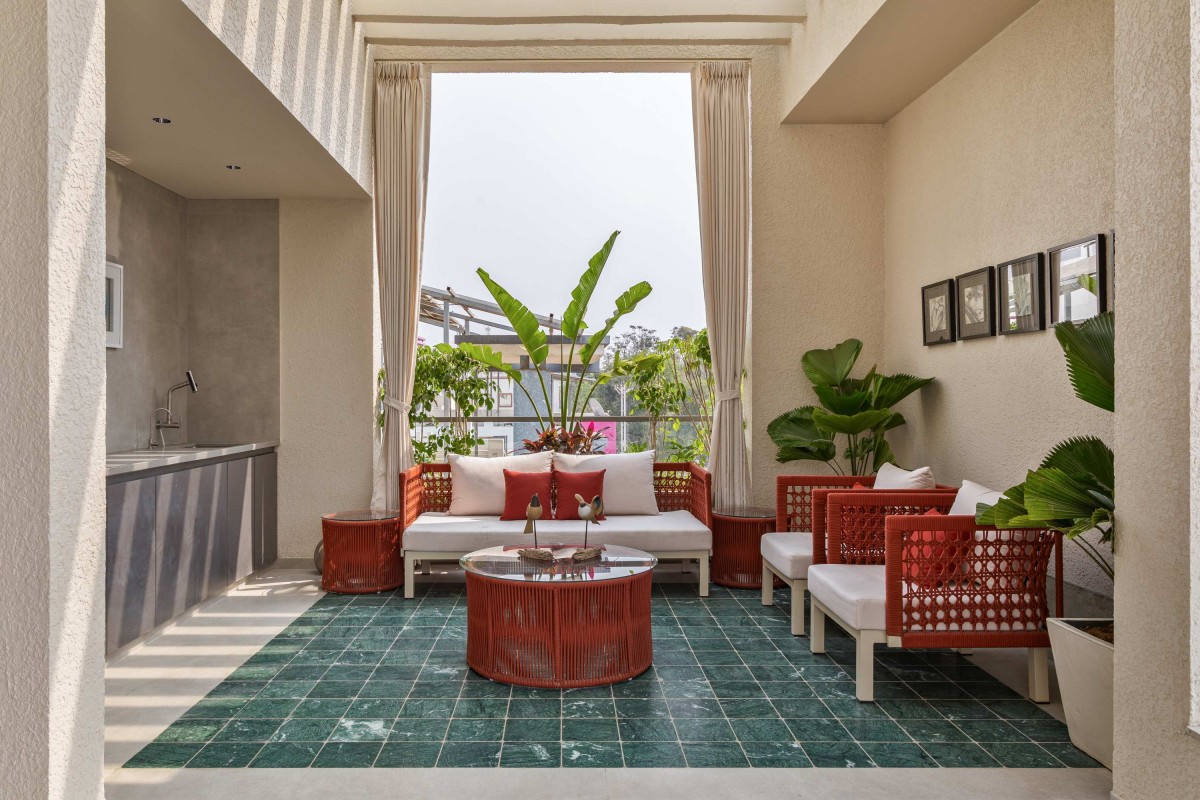
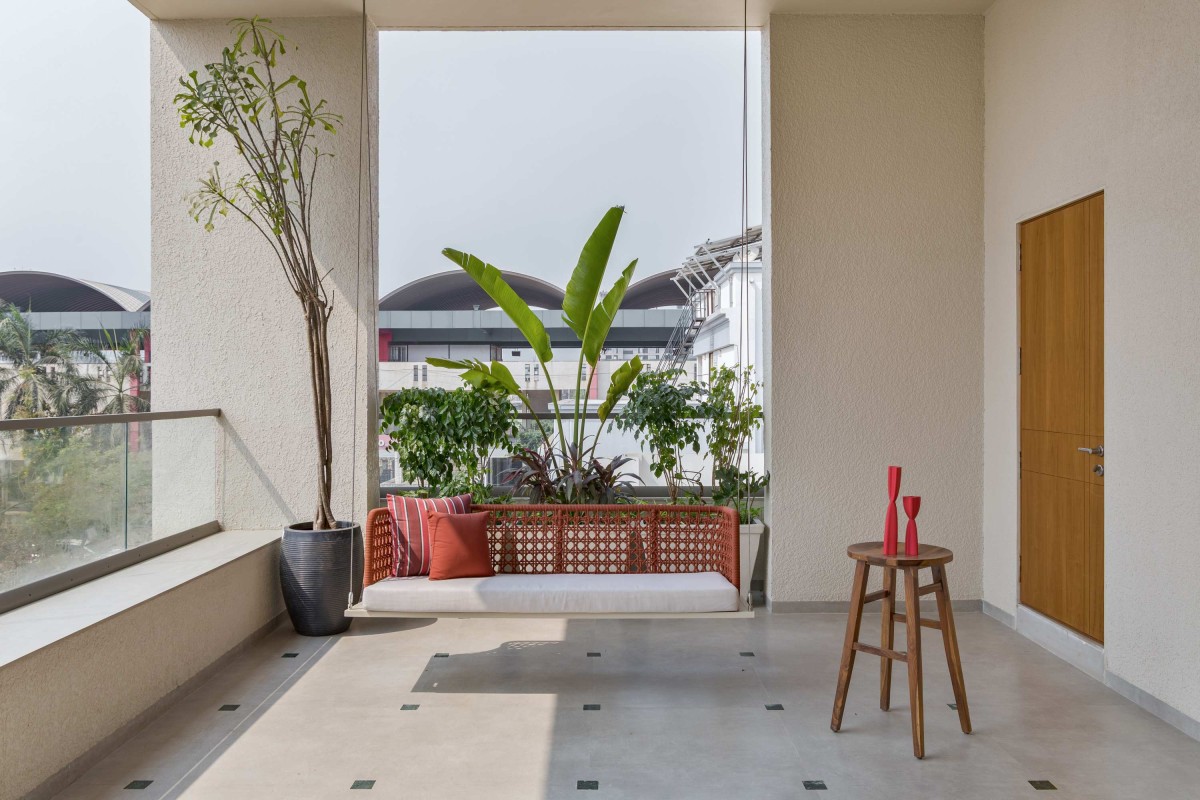
The private quarters—the master bedroom and son’s room on the first floor, are strategically placed to maintain both privacy and a relationship with the central void. The journey culminates on the second floor with a daughter’s room and a covered terrace, a "closed sanctuary" that remains open to the elements yet shielded from the sun, providing an ideal microclimate for family gatherings.
Master Bedroom of The Void of Faith by Studio REFORM
Son's Bedroom of The Void of Faith by Studio REFORM
Son's Bedroom of The Void of Faith by Studio REFORM
Balcony of The Void of Faith by Studio REFORM
Deck of The Void of Faith by Studio REFORM
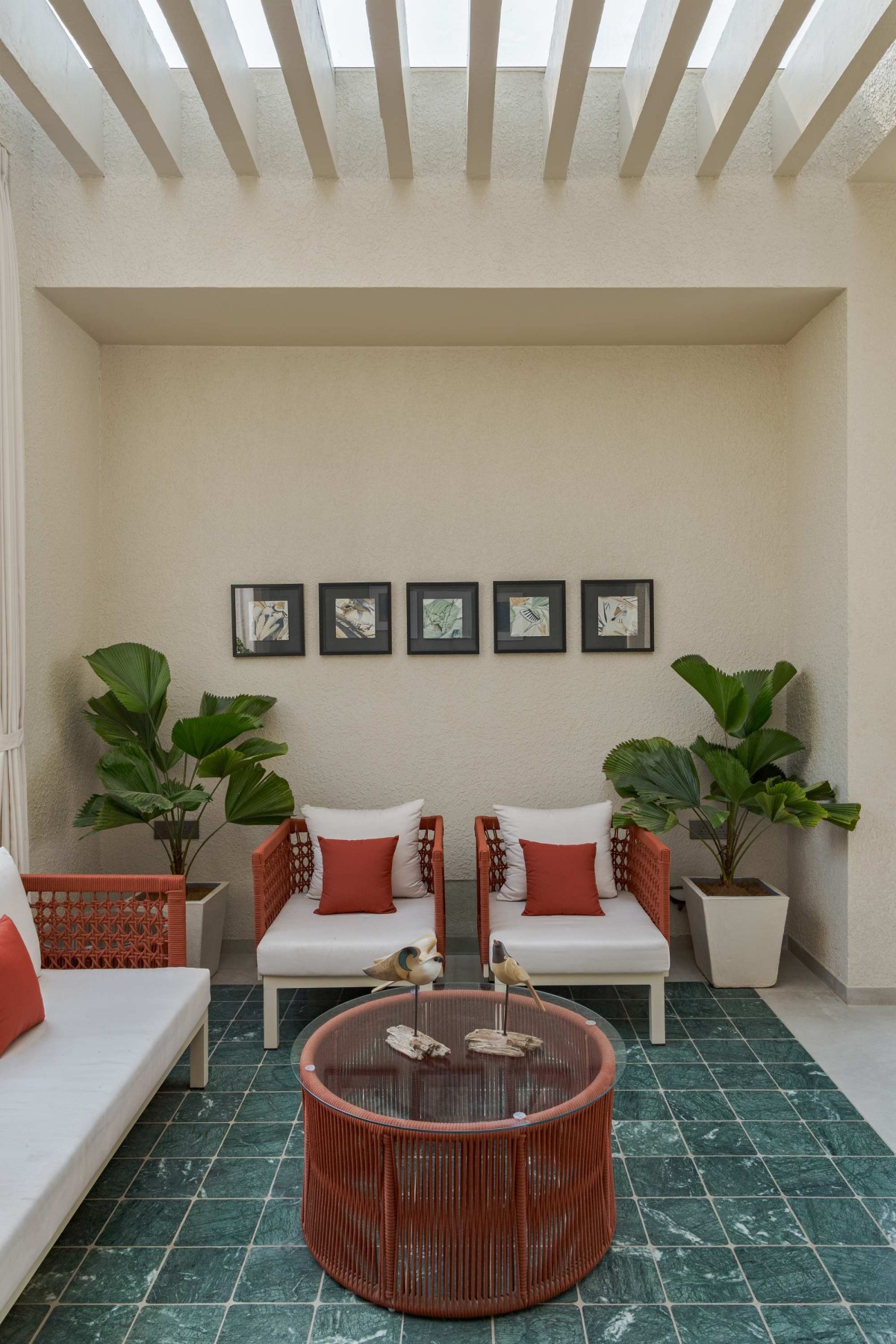
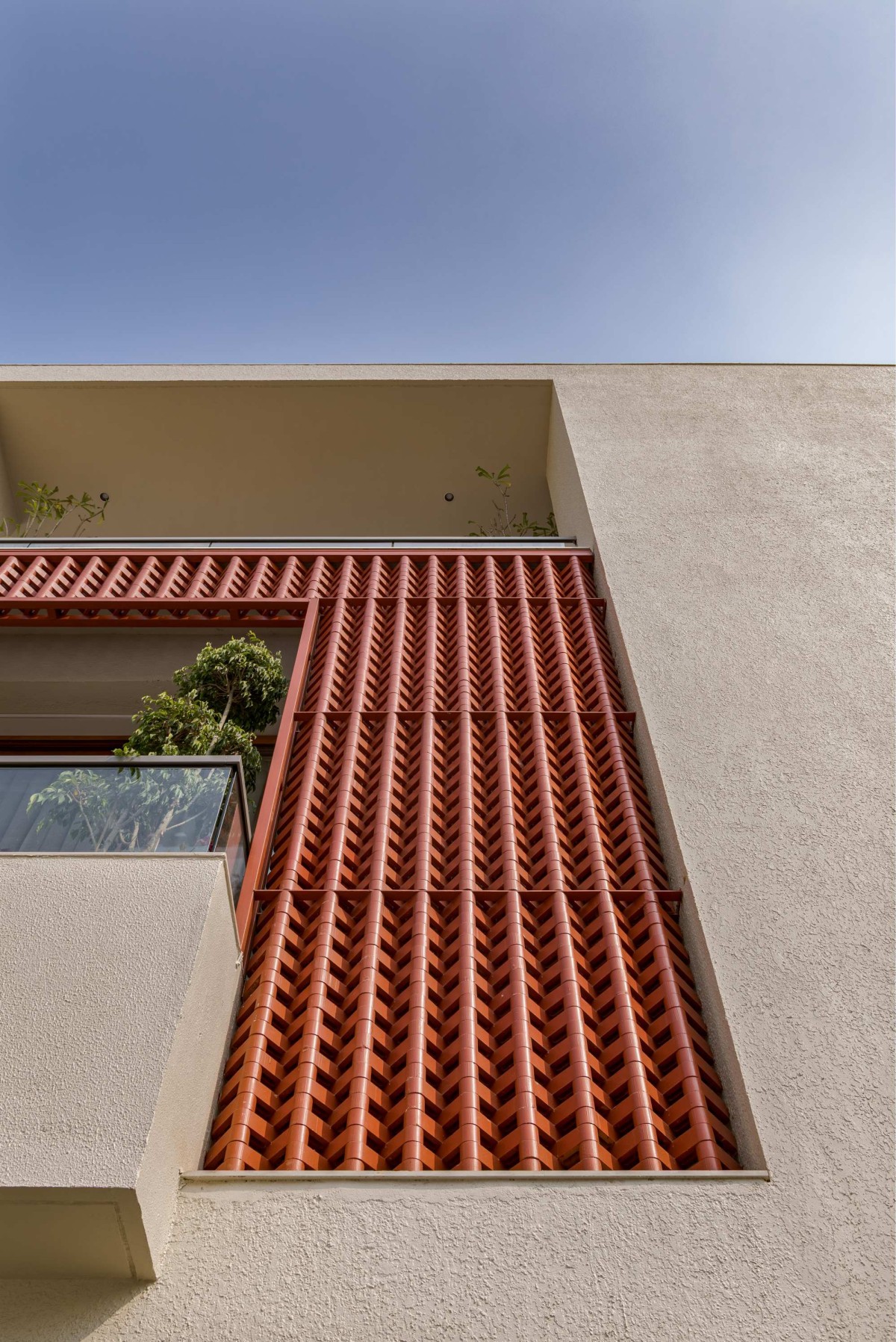
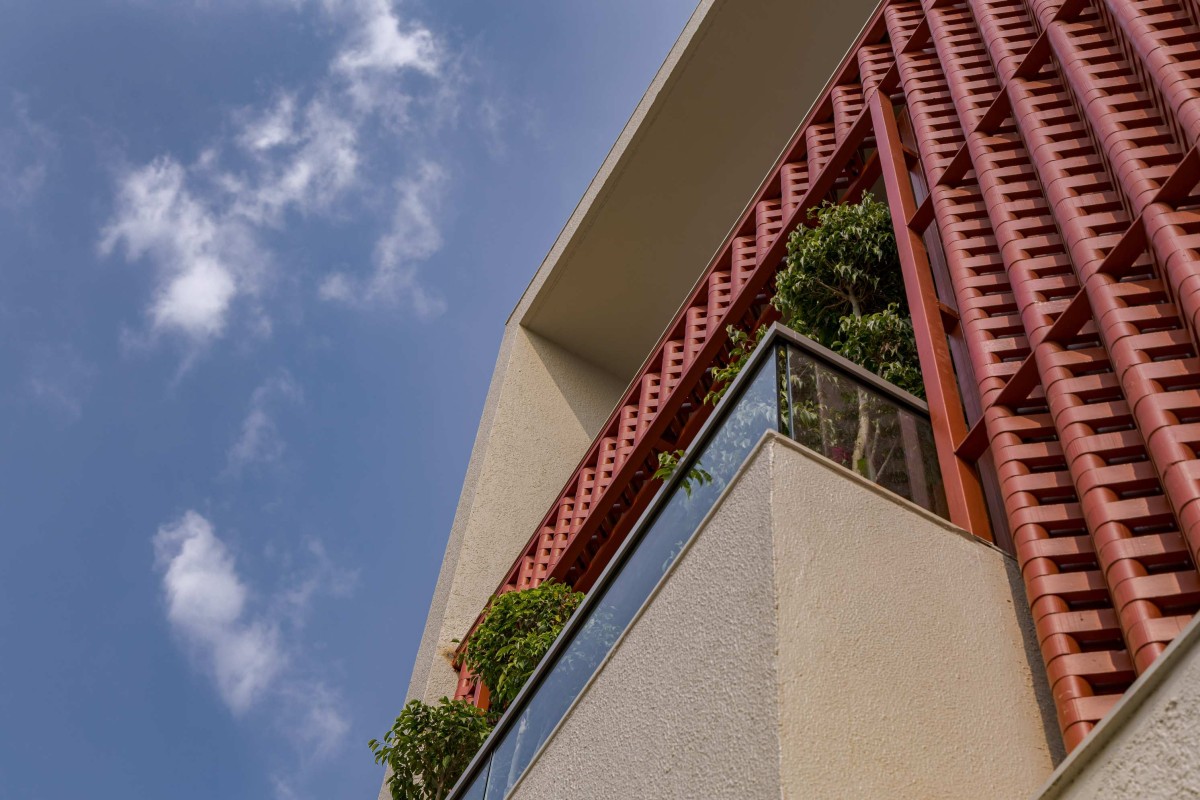
The south facade, traditionally the most vulnerable to heat, is articulated with a terracotta block screen. This functional skin serves as a thermal buffer for the master bedroom, transforming the midday glare into a soft, dappled tapestry of shadows. Above, the terrace is crowned with a pergola, which acts as a rhythmic filter, marking the passage of time through its changing shadow patterns on the floor.
Through clean lines and a disciplined approach to massing, the house transcends its physical boundaries. It is a project where the "void" is as important as the "solid." By elevating the worship space to the centre of the architectural experience, the home becomes more than a shelter; it becomes a serene, light-filled vessel for the spirit, proving that even the most restricted urban plots can yield expansive, airy sanctuaries.
Deck of The Void of Faith by Studio REFORM
Terrace of The Void of Faith by Studio REFORM
Detailed shot external facade of The Void of Faith by Studio REFORM
Detailed shot external facade of The Void of Faith by Studio REFORM