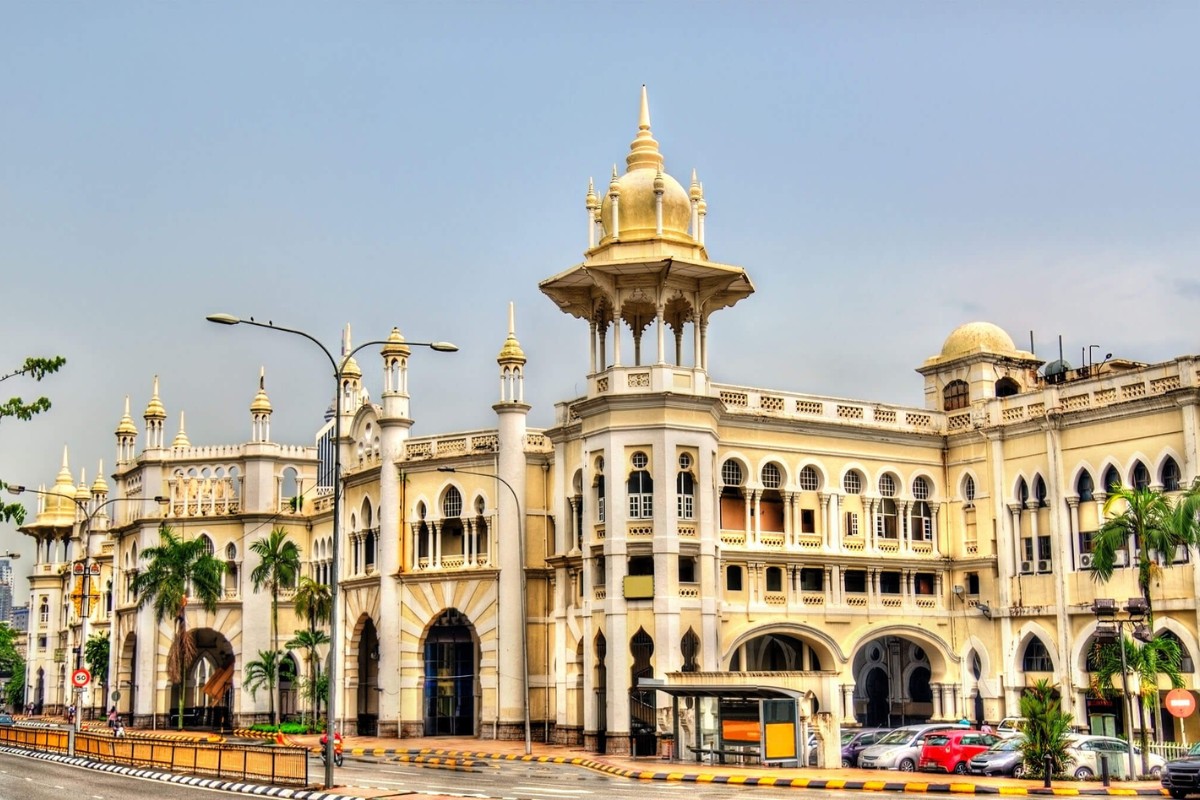
This 1910 marvel reflects Malaysia’s colonial past and Moorish architectural inspiration.
It embodies Malaysia’s complex history—East meeting West beneath ornate domes.
What Makes a Train Station “Beautiful”?
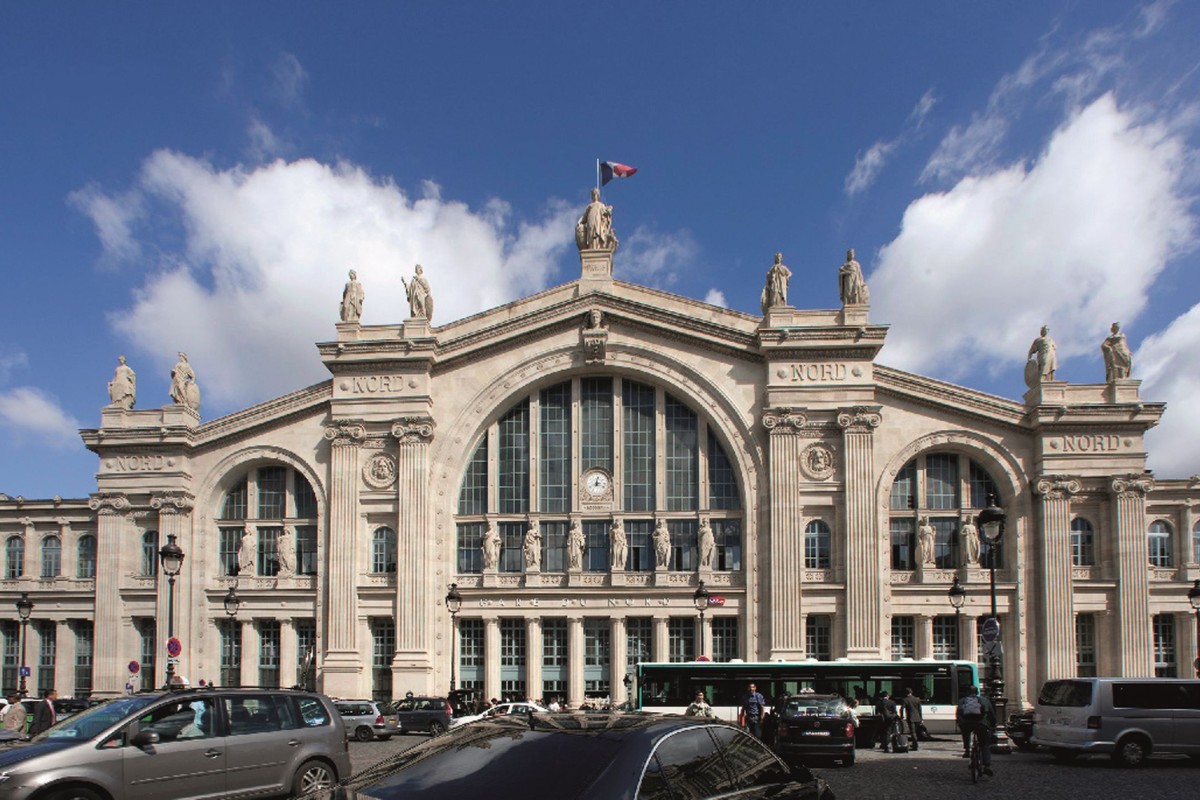
Beauty is, of course, subjective. But in architectural terms, a beautiful train station does three key things:
1. Inspires Awe: Through symmetry, scale, detail, and materiality.
2. Tells a Story: Reflecting the cultural, historical, or political ethos of its time.
3. Welcomes All: Despite its grandeur, it must remain functional, human-scaled, and accessible.
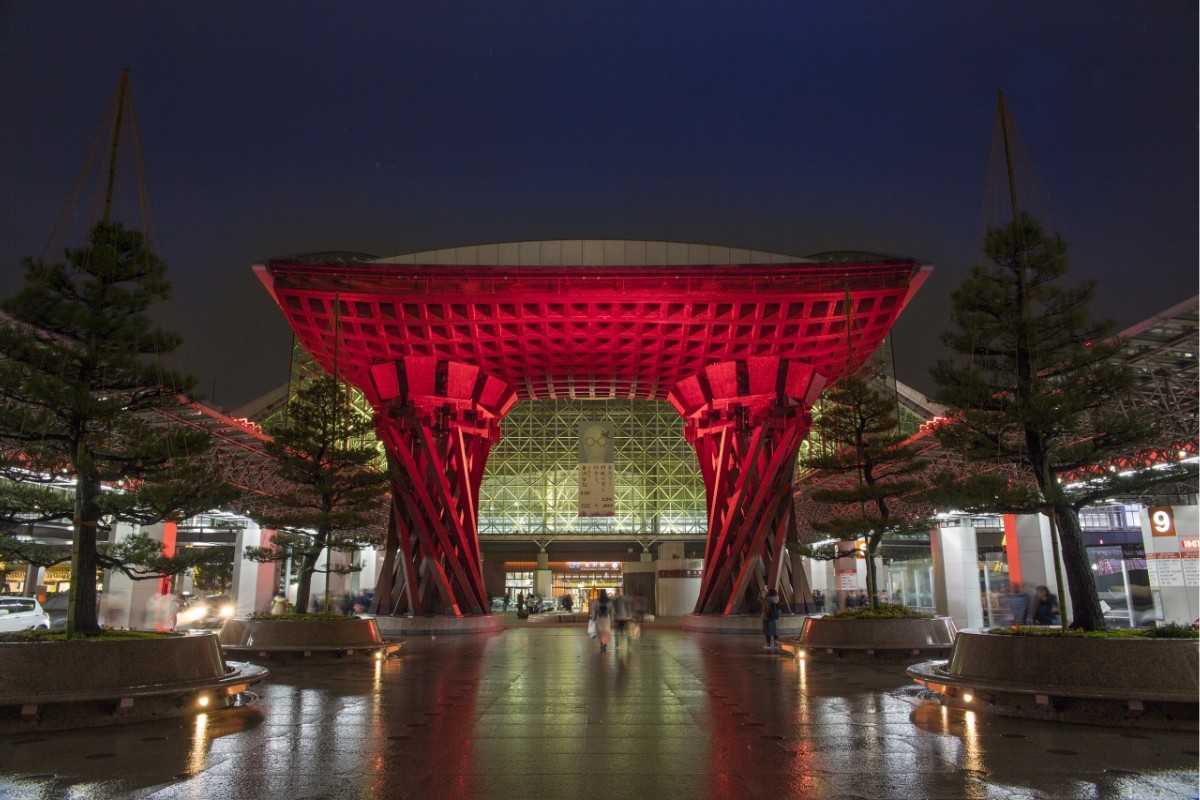
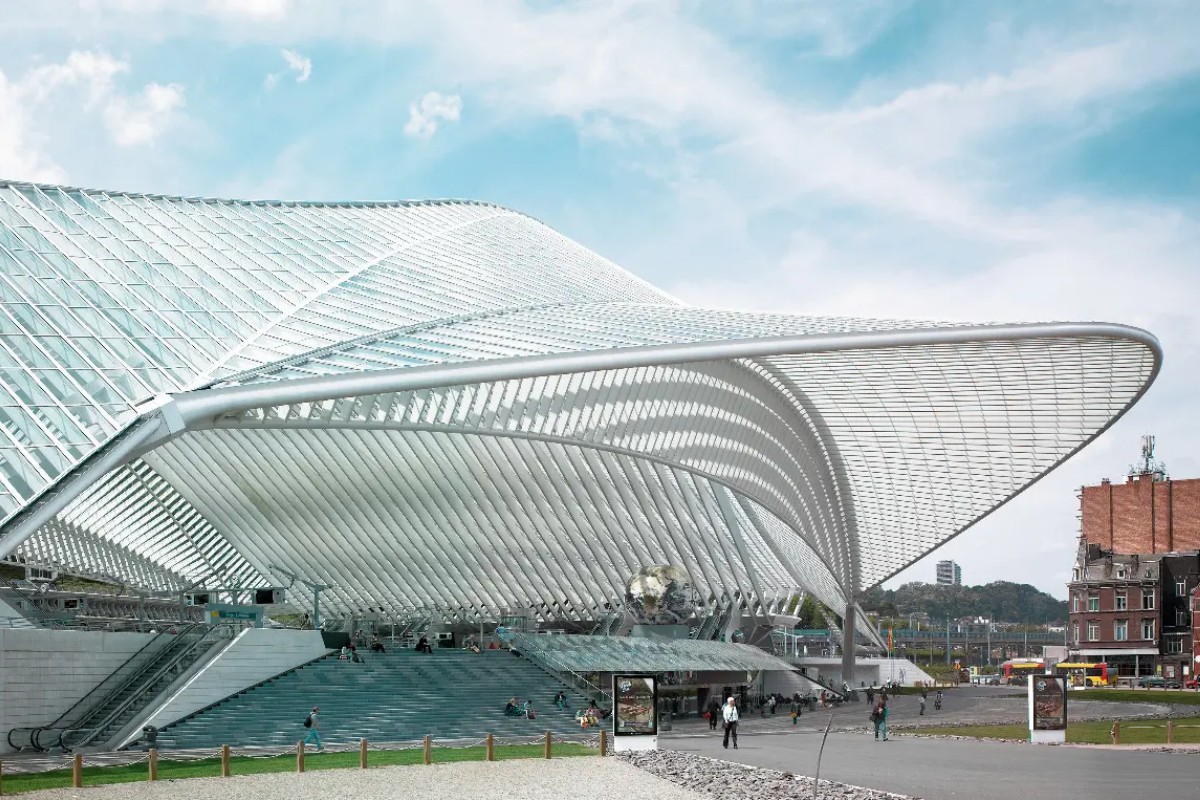
Whether through opulent stonework or futuristic steel curves, beauty in a train station is about connection—between past and future, traveler and place.
The Cultural Significance of Train Stations
Unlike airports, train stations are often located at the heart of cities. They’re not just departure points; they’re urban living rooms, sites of protest, performance, and romance. Lovers say goodbye under clock towers, children wave at engines, and artists find muses among the travelers.
In literature and cinema—from Agatha Christie’s Murder on the Orient Express to Bollywood’s Jab We Met—stations are often crucibles of change and emotion. Their architectural beauty is just a reflection of the human stories they house.
A Journey Worth Taking
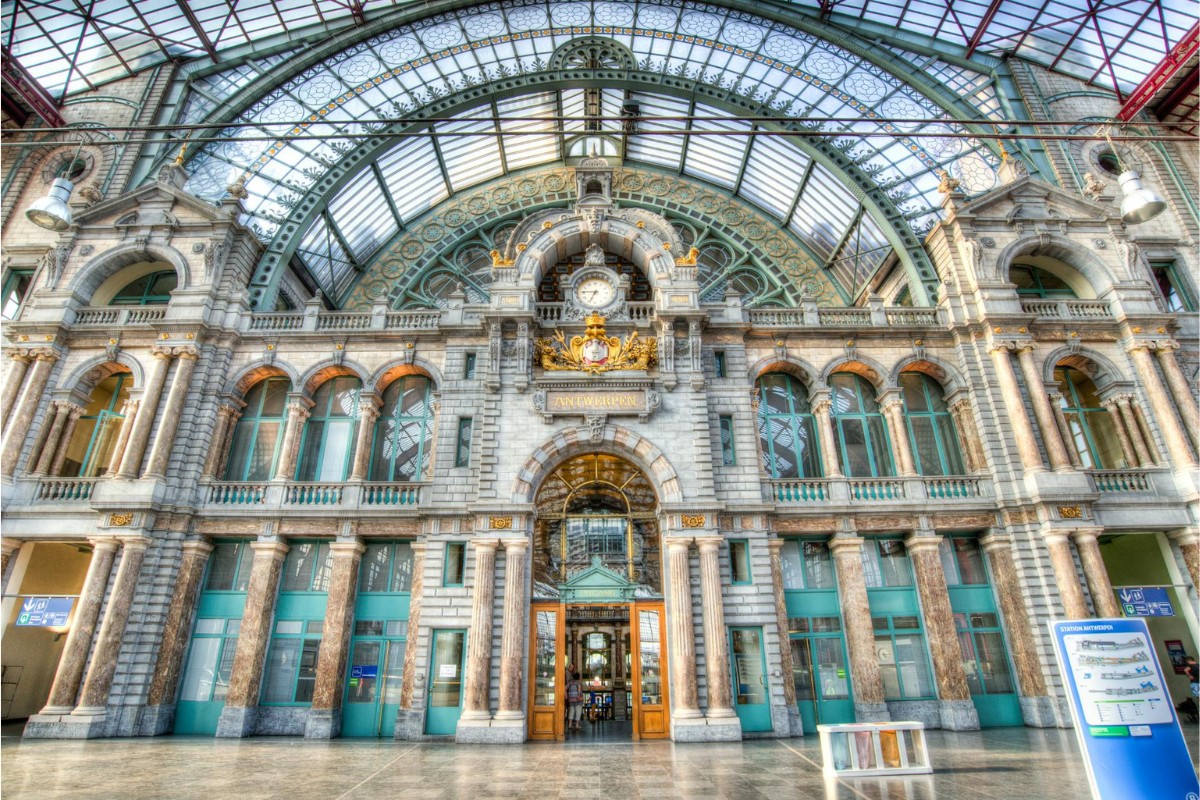
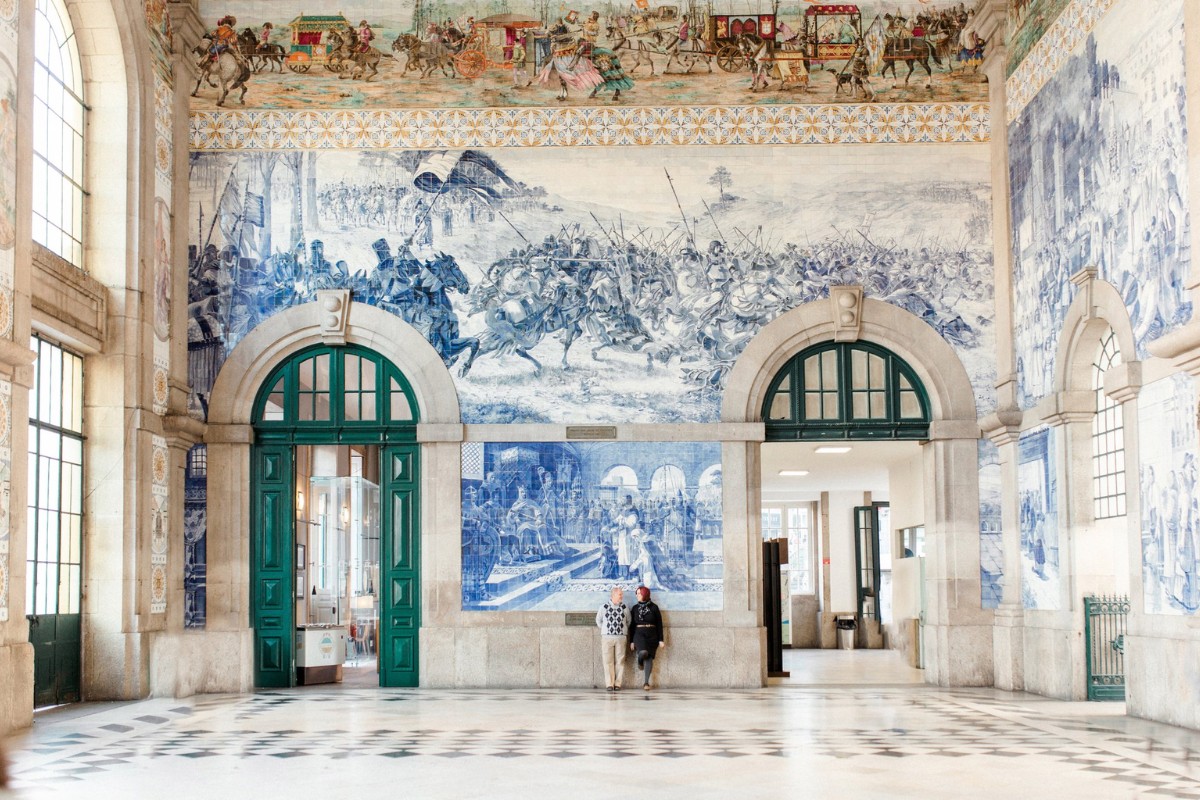
From Antwerp’s regal domes to São Bento’s tile-clad tales, the most beautiful train stations in the world remind us that travel is not just about destinations—it’s about experiences.
These structures elevate the mundane to the magical. They stand resilient through wars, political changes, and technological revolutions. They are palaces of movement, built not for kings, but for everyone.
So next time you wait on a platform, look up. Look around. You might be standing in a cathedral, a poem in stone, a love letter to travelers.
All aboard beauty—the world awaits.
For more such insights and tips about the architectural world, subscribe to the
Volume Zero newsletter and get the latest articles delivered to your inbox.