Source:
While being an architect can be a rewarding endeavor for some, it is not always the best career path for everyone. If you have a background or degree in architecture and are looking for a new opportunity, there are several work opportunities available to help you build a new route.
Architects have highly sought-after qualities that enable them to communicate effectively, manage others, think critically, and offer creative solutions.
Here are 8 alternative career options for burned out Architects looking for an alternative
field:
1. Graphic Designer
Source:
Graphic designers use a combination of artistic and digital tools to create visual graphics, such as illustrations, logos, layouts, images, and more. They work alongside clients to meet the needs for the visual aspects of books, magazines, products, websites, promotional materials and more.
Nothing stops you from taking specialization classes and being inspired by the best graphic designers to pursue a career in a subject that is always in need of fresh professionals—all without taking away from the graphic designers who have completed a specialized term of study.
2. Photographer
Source:
Photography is one of the most popular careers for those who would prefer not to be architects. Photographers use cameras to take pictures of people, places, events, objects and landscapes. The main purpose of their work is to record specific events and form narratives using imagery. Many photographers specialize in a certain type of photography, such as portraiture or photojournalism.
3. UX designer
Source:
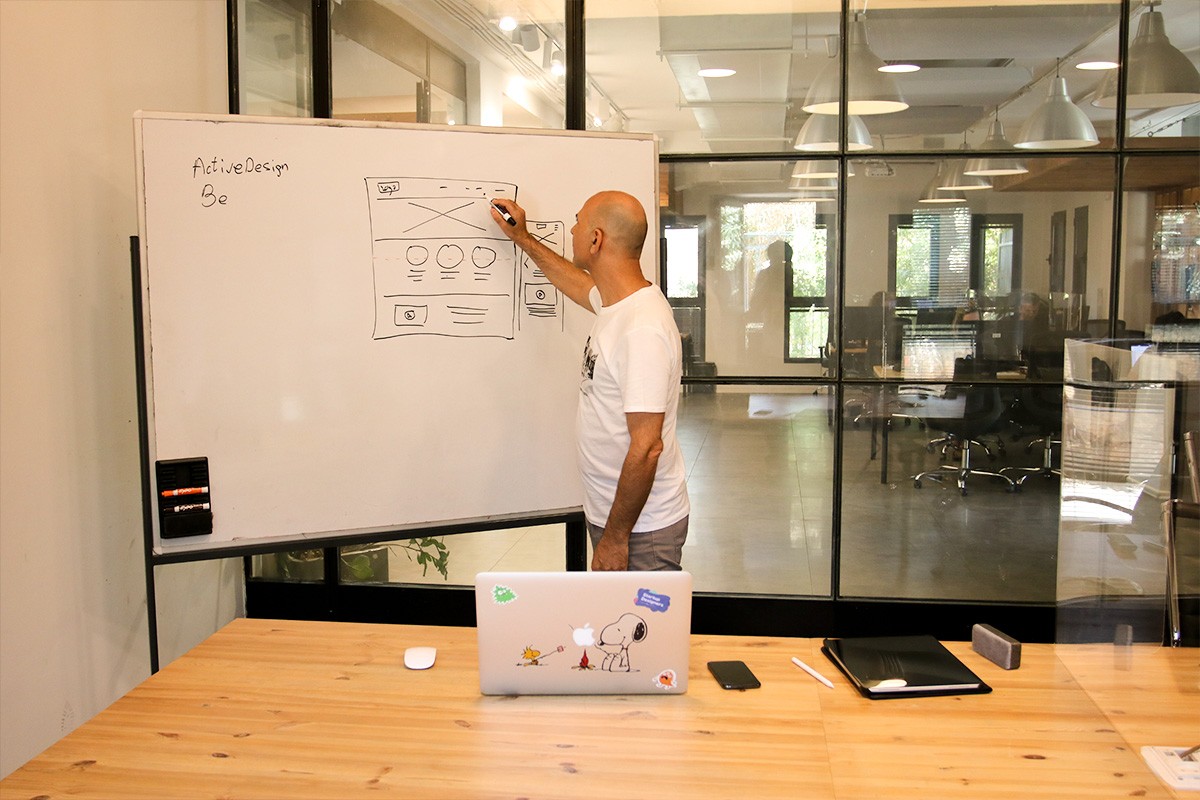
UX designers are technology specialists who oversee the creation of user-friendly products. Products are integrated to maximize branding, design, usability, and usefulness. In a product development project, advocating for consumers' requirements and preferences is one of a UX designer's main objectives. They might carry out customer focus groups, test items, and apply their results during the development phase.
4. Communication expert
Source:
Architects must communicate their ideas as designers to instructors in schools and subsequently to investors, clients, contractors, and civic officials. Effective communication abilities can greatly influence the way a given endeavor is viewed.
Communications specialists work within the field of public relations. They handle internal and external communications output, draft press releases, manage social media promotion and represent specific organizations by crafting narratives for the general public.
5. Event Planner
Source:
In the past 20 years, spatial design has advanced to unprecedented levels and has shaped the event industry inexorably. The entire process, from concept visualization to space design to project building, can take many months to complete.
Additionally, the setting and cultural norms influence creativity. The architectural element is equally intricate. Nowadays, every initiative revolves around crafting unique experiences rather than merely focusing on events.
6. Tour Operator and Guide
Source:
Perhaps the greatest way to develop is to travel. Gaining knowledge about various cultures, people, foods, and architectural styles can inspire new thoughts, open your eyes, and increase your understanding. Travel and architecture are almost entwined.
It's not an ideal plan to start with sharing your passion for travel with people who understand it. This can be the right career for you if you have a keen interest in architectural history and are skilled at handling large groups of people. Tour guides are employed by many large organizations to conduct travel programs in addition to local labor.
7. Set and Production Designer
Source:
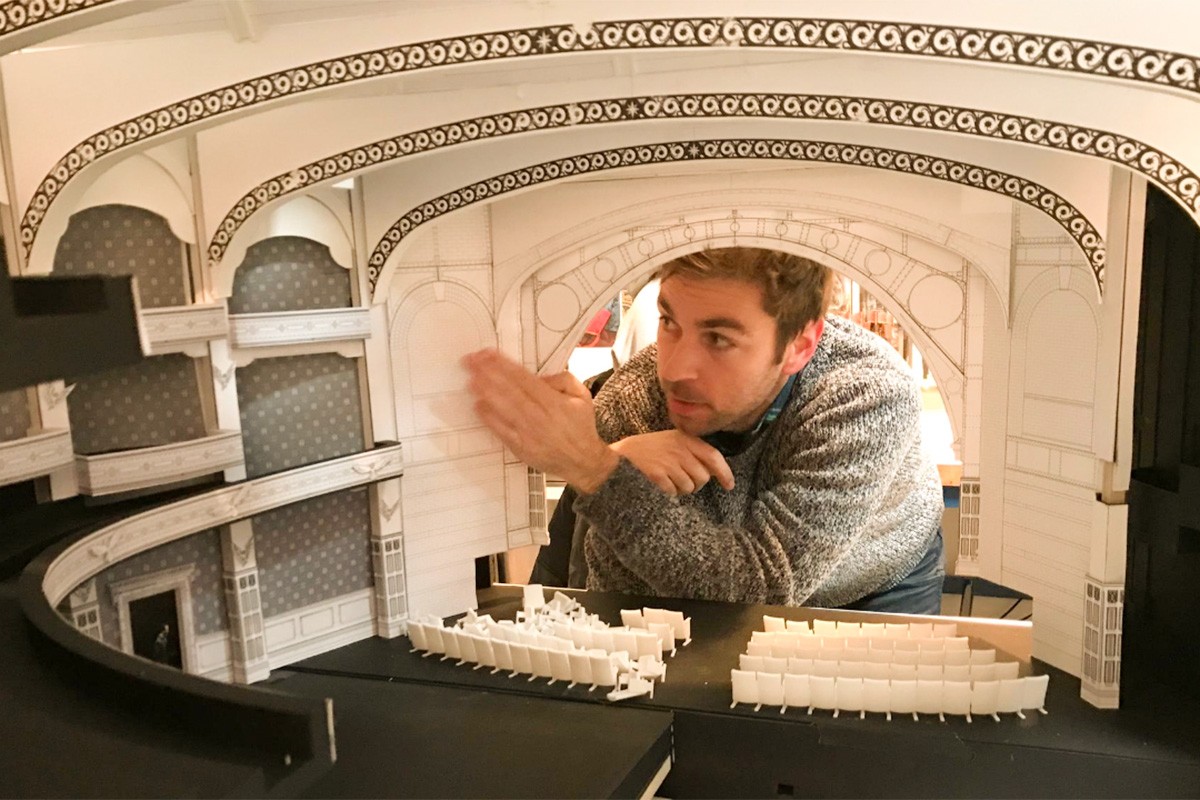
Think about a career in the film industry. A production designer develops and designs every visual component in collaboration with the director and producer of a play or film.
Among these graphic components are:
-Locating sites for the movie that complement the era and aesthetic.
-Designing and making accessories and sets, establishing the costume style guide, and visual design.
-Working on-stage performances, motion pictures, videos, TV, and television advertisements is a chance that you obtain.
8. CGI / Animator
Source:
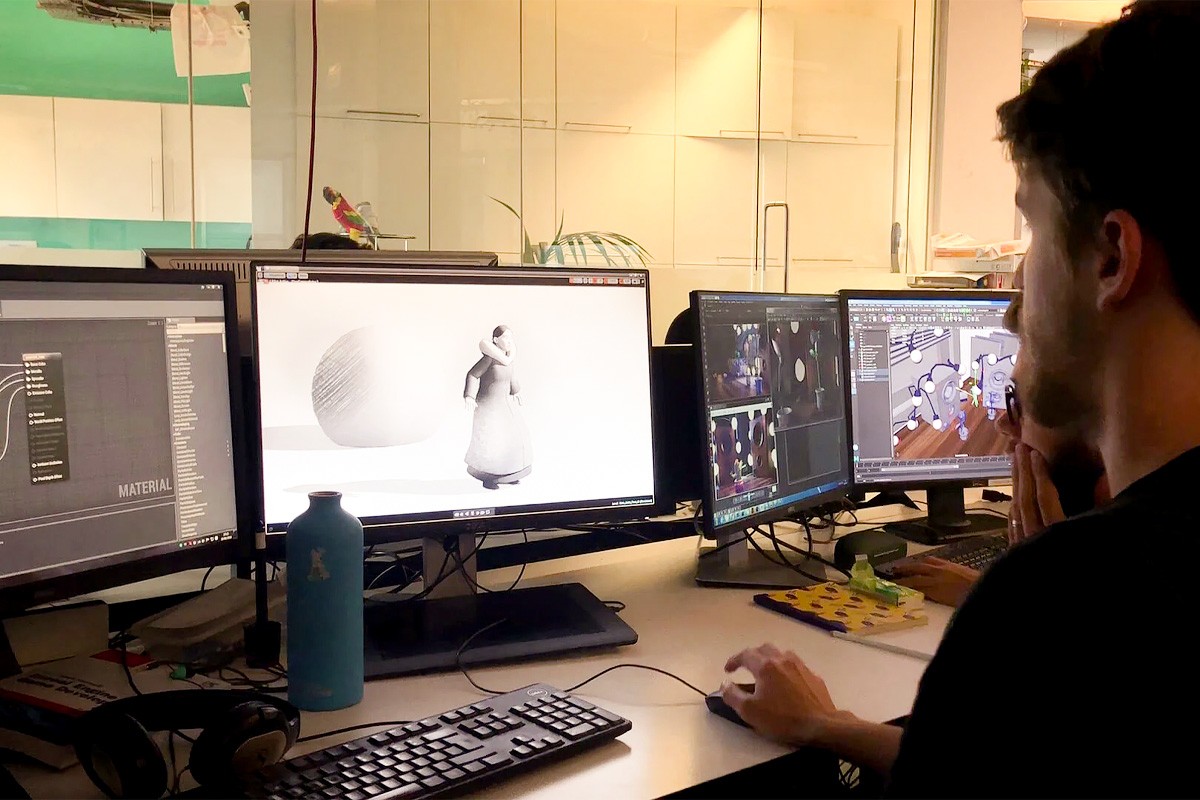
Knowing how to use computer design software is a talent that you can transfer to learning how to use animation software because you are an architect. Successful artists ultimately possess a flair and an eye for design in addition to technical proficiency. Work in the animation or computer-generated imagery (CGI) and commercial marketing fields are also options.
For more such insights and tips about the architectural world, subscribe to
Volume Zero newsletter and get the latest articles delivered to your inbox.
Haripriya Jayaraman
Content Writer
Haripriya Jayaraman is a vibrant, chatty extrovert with a deep passion for prose and poetry. Conversations energize her, and she thrives on connecting with others to uncover shared stories and experiences. She enjoys sailing through and exploring Architecture beyond the curriculum
FAQ
A: People trained in architecture often move into fields that value spatial thinking, systems understanding, creative problem solving, research, and technical precision. Common paths include urban design, urban planning, set design, UX and product design, real estate development, project management, construction technology, design journalism, heritage conservation, sustainability consulting, and visualization industries.
A: The shift is very possible because these domains overlap with the core strengths of architecture. Urban planning roles value a grasp of city systems, mapping, and spatial analysis. Teaching positions are open in design schools, architecture colleges, and creative education platforms where architectural training is seen as a strong foundation. Design consulting is a natural extension because it draws on conceptual thinking, problem framing, and presentation skills.
A: Many sectors do not require an architectural license. These include interior design, landscape studies at junior levels, BIM coordination, set and exhibition design, graphic and spatial branding, UI and UX design, prop design, publishing, academic research, creative strategy, GIS mapping, virtual environment design, and most roles in construction management or real estate strategy.
A: Your training makes you strong in modeling, drafting, systems thinking, storytelling, and user centric design. These skills translate to 3D visualization and animation, digital product design, simulation based work, data visualization, writing and content development for design platforms, research roles in policy or housing, innovation labs, and tech driven design companies. Strong visual communication helps in brand identity projects, creative direction, and media design.
A: Hybrid careers are increasingly common. Many professionals blend architecture with tech, sustainability, education, research, writing, urbanism, illustration, or entrepreneurship. The demand for adaptive designers who understand both spatial and digital worlds is rising, and people often shape their practice around more than one specialization.