Air travel today is more than just a means to get from one place to another—it’s an experience that begins long before take-off. For many travellers, the airport itself sets the tone for the entire journey. Over the last few decades, terminals around the world have been transformed from utilitarian spaces into architectural masterpieces, filled with technology, sustainability, and culture. These futuristic airports aren’t just transit hubs—they're visions of what infrastructure can be when imagination, innovation, and intention align.

From tropical gardens under glass domes to terminals that mimic the flow of rivers, airports today are being designed not just for efficiency but for emotion. They welcome us, soothe us, inspire us, and sometimes even steal the spotlight from the cities they serve.


The Philosophy of Future-Forward Terminal Design

The modern airport is no longer just a liminal zone—a place between where you are and where you want to be. It’s becoming a destination in itself. Architects, urbanists, and engineers have begun to ask more human-centric questions: Can an airport help us relax? how can we make people feel something while they wait? How can we ease stress, spark curiosity, or simply create a moment of peace? Can it reflect local culture? Can it be environmentally responsible? Can it even delight us?

And the answer, increasingly, is yes. 

The best futuristic airports nail a few things: smooth passenger flow, sunlight streaming through thoughtful structures, nods to local culture, and flexible design that’s ready for tomorrow. These aren’t just pretty buildings. They’re spaces that make waiting feel like part of the adventure.

And in a time where sustainability can’t be an afterthought, the best terminals go beyond efficiency. They harness solar energy, filter air naturally, and prove that being eco-conscious and awe-inspiring aren’t mutually exclusive.

Let’s take a closer look at some of the world’s most forward-thinking airports—spaces that are not just efficient, but emotionally resonant.


1. Singapore Changi Airport


Source


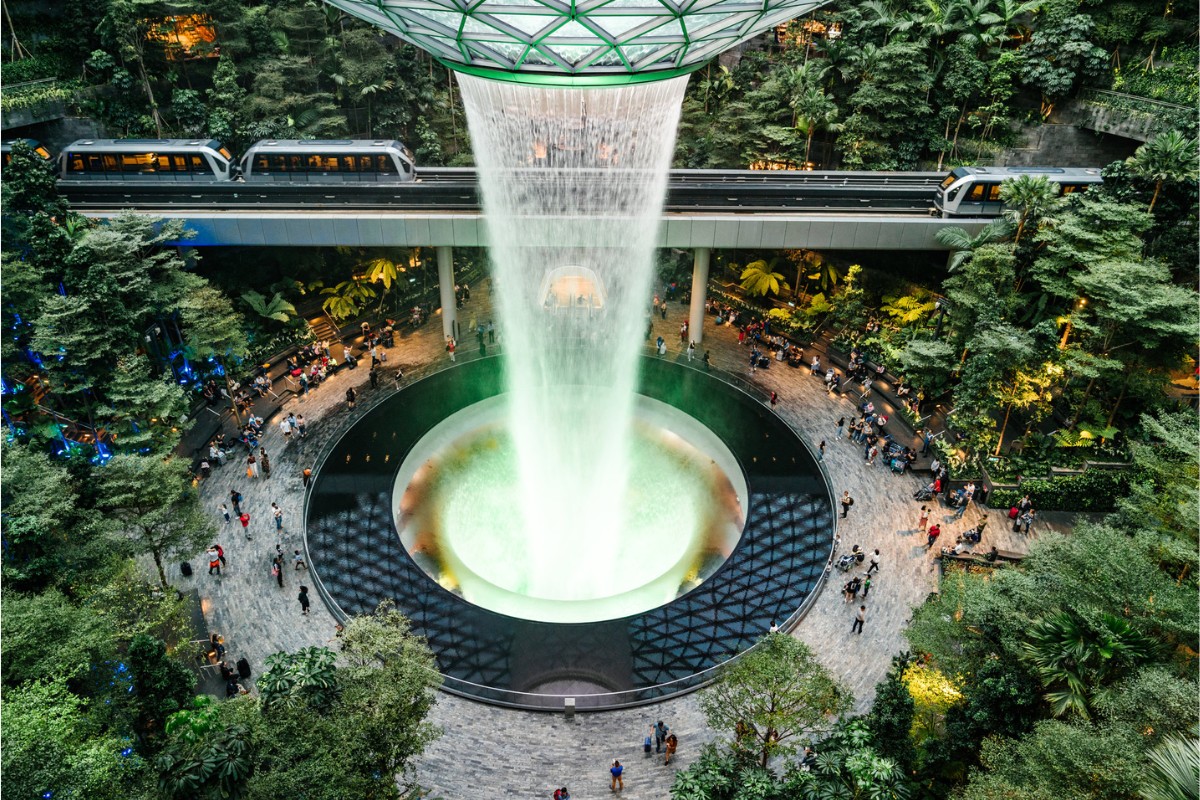
Singapore’s Changi Airport redefines the intersection of architecture and biophilic design. Terminal 4 and the Jewel complex, designed by Safdie Architects, are prime examples of how architecture can dissolve the boundary between built form and landscape. Jewel’s glass and steel toroidal structure encloses a five-story indoor forest crowned by the world’s tallest indoor waterfall.

The architecture here is immersive and sensory—curated to create a calming, contemplative experience within a high-traffic environment. The integration of natural light, spatial openness, and fluid circulation reflects a broader architectural narrative: that infrastructure can be poetic. The airport not only serves millions annually but also acts as a new typology of urban leisure space, drawing locals and tourists alike.


2. Beijing Daxing International Airport


Source


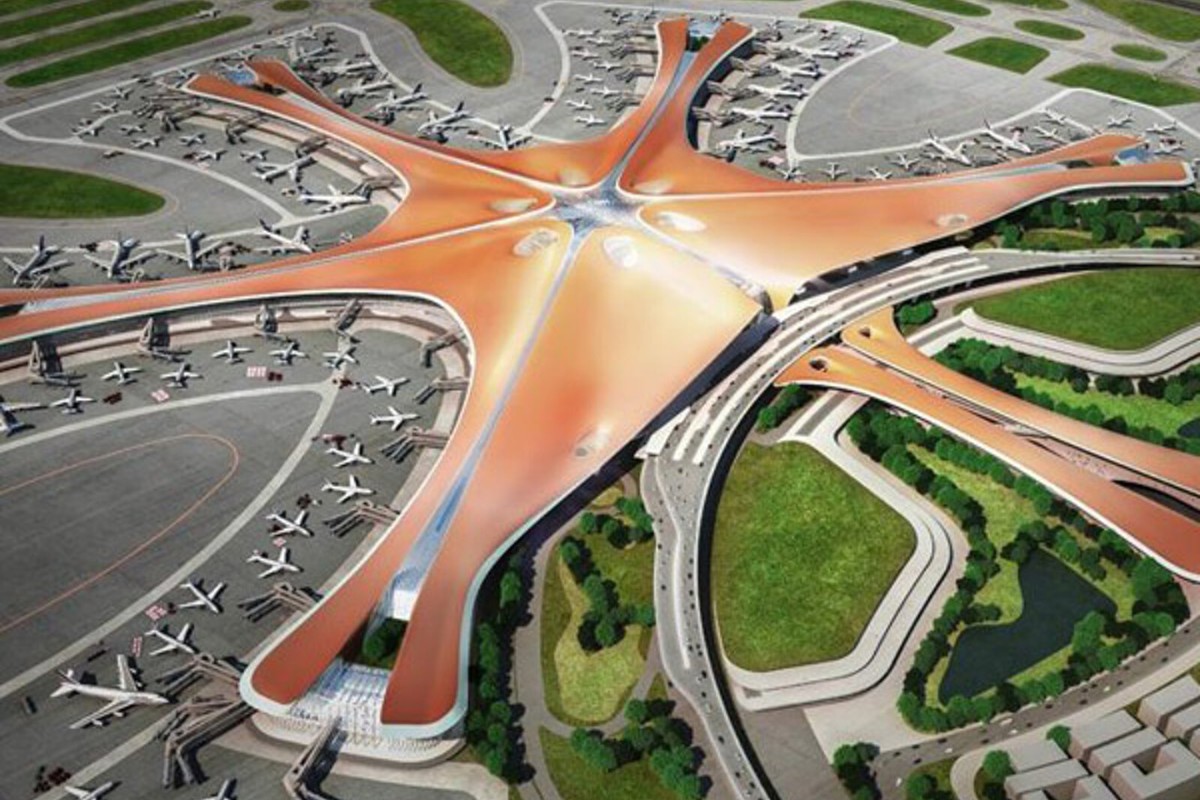
Zaha Hadid's final masterpiece, completed posthumously in 2019, reimagines airport circulation through organic forms inspired by traditional Chinese architecture and natural patterns. The terminal's starfish configuration minimizes walking distances while maximizing natural light penetration through its undulating roof. This isn't arbitrary sculptural gesture—every curve serves functional purposes related to passenger flow, structural efficiency, and environmental performance.

The building's most striking feature is its seamless integration of structure and circulation. Passengers move through spaces that feel more like flowing rivers than traditional corridors, guided by the architecture itself rather than signage. The roof's geometric pattern, inspired by traditional Chinese motifs, filters light to create ever-changing interior atmospheres that connect travelers to cultural heritage while propelling them toward the future.

Daxing's technological infrastructure matches its architectural ambition. The terminal incorporates advanced baggage handling systems, facial recognition technology, and integrated transportation networks that connect air, rail, and ground transport seamlessly. The building demonstrates how futuristic airports designed around the world can honor cultural identity while embracing global connectivity.


3. Istanbul Airport


Source


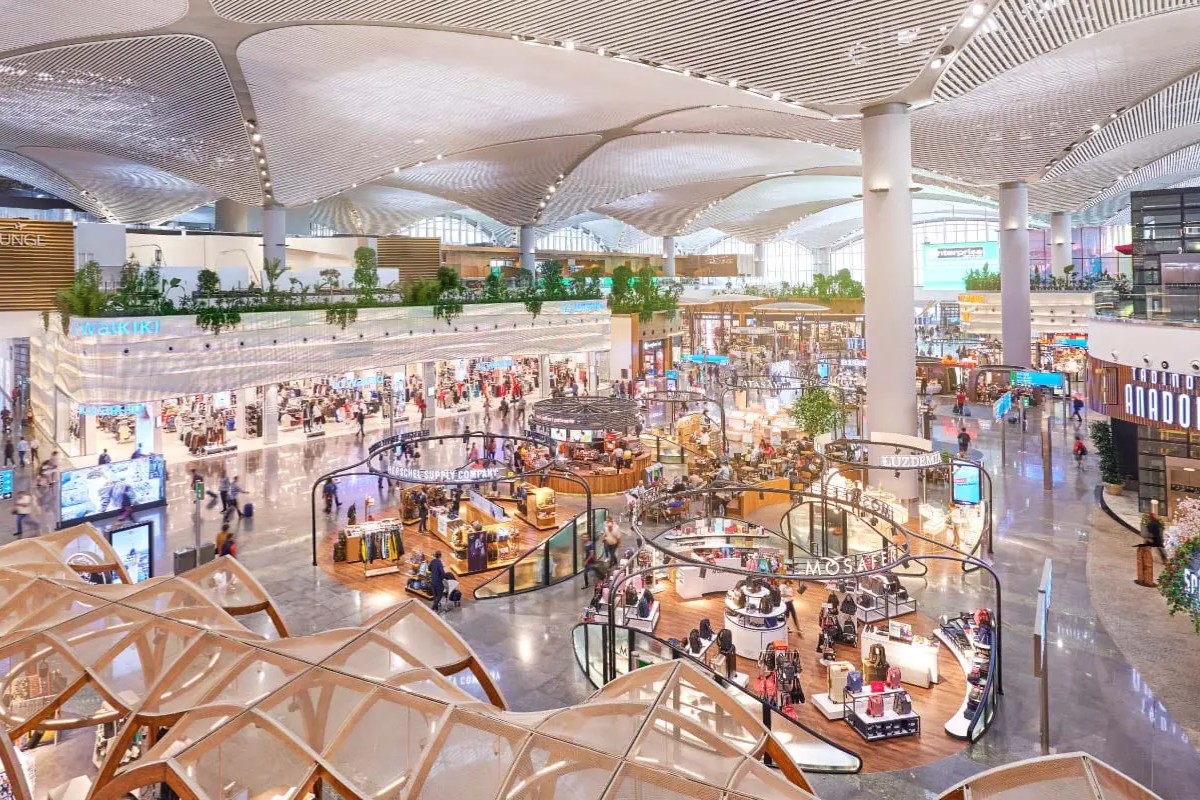
Turkey's new Istanbul Airport embodies its location's historical role as a bridge between Europe and Asia through architecture that synthesizes multiple cultural influences. The terminal's flowing forms and geometric patterns draw inspiration from both Islamic architectural traditions and contemporary international design languages. This cultural synthesis creates spaces that feel both familiar and exotic to travelers from diverse backgrounds.

The airport's most impressive feature is its sheer scale, designed to handle 200 million passengers annually when fully completed. Yet the architecture prevents this enormous capacity from feeling overwhelming through careful subdivision of space and strategic placement of cultural amenities. Turkish baths, prayer rooms, museums, and gardens create intimate environments within the vast terminal structure.

Istanbul Airport's technological systems represent current best practices in sustainable airport design. Renewable energy systems, rainwater harvesting, and passive climate control reduce environmental impact while maintaining optimal passenger comfort. The terminal proves that megastructures can be both environmentally responsible and culturally meaningful.


4. Doha Hamad International Airport


Source


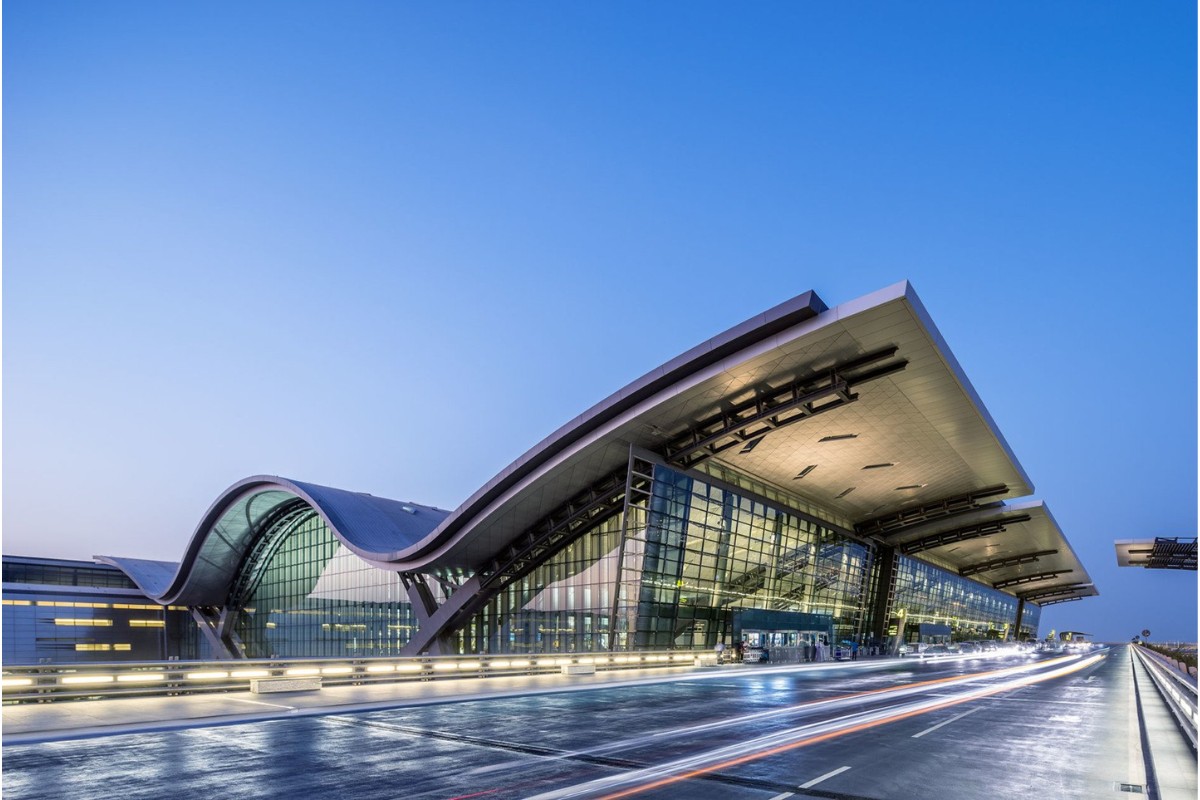
Qatar's Hamad International Airport demonstrates how contemporary Islamic architecture can express futuristic aspirations while remaining rooted in regional traditions. The terminal's swooping forms and intricate geometric patterns create spaces that feel both ancient and ultramodern, connecting passengers to the Arabian Peninsula's architectural heritage while facilitating global connectivity.

The airport's design responds intelligently to its desert climate through deep overhangs, strategic window placement, and thermal mass that moderates interior temperatures naturally. The central courtyard, inspired by traditional Islamic architecture, creates a microclimate that provides psychological relief from the harsh exterior environment while celebrating regional design wisdom.

Hamad's commitment to cultural programming sets it apart from purely functional terminals. The airport houses significant art collections, luxury retail environments, and cultural exhibitions that transform layovers into cultural experiences. This approach recognizes that the best airport design in the world must engage passengers intellectually and emotionally, not just move them efficiently.


5. Amsterdam Schiphol Airport


Source


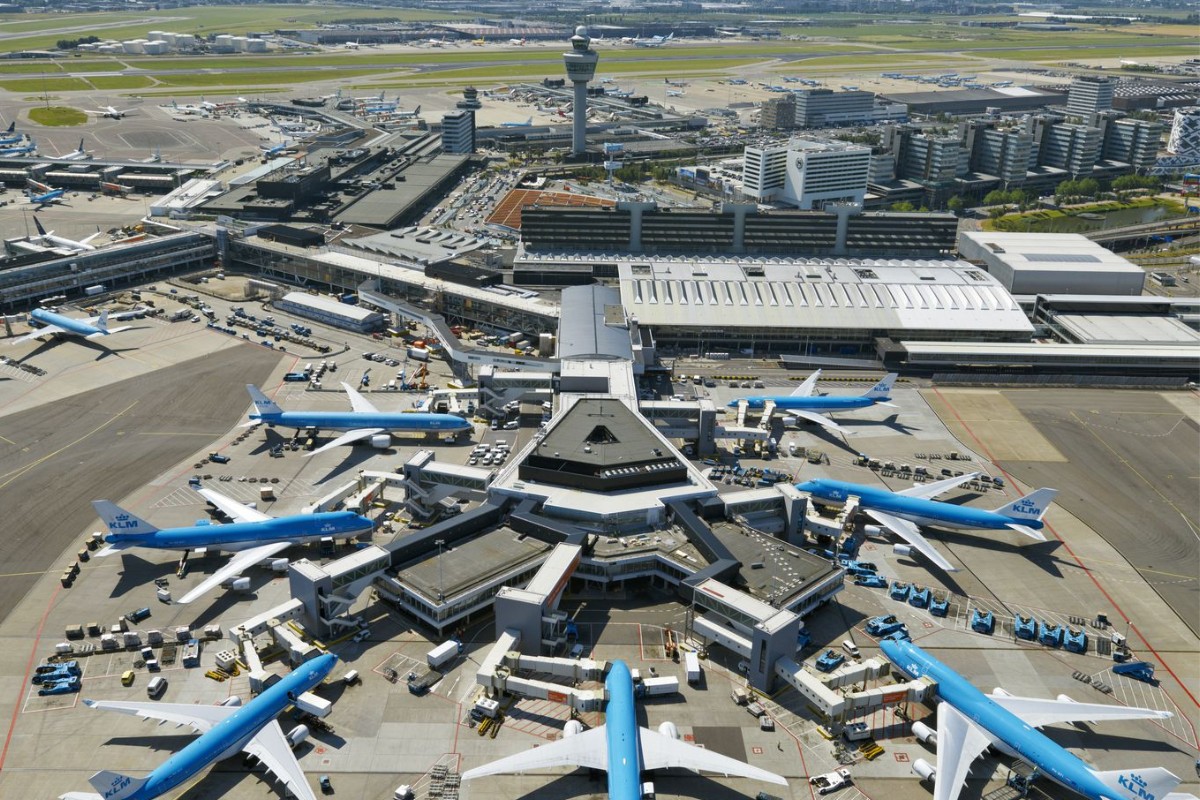
The Netherlands has positioned Schiphol Airport as a testing ground for sustainable aviation technologies and circular economy principles. Recent terminal expansions incorporate recycled materials, renewable energy systems, and innovative waste management approaches that could serve as models for future airport development worldwide.

Schiphol's design philosophy prioritizes passenger wellbeing through biophilic design elements, flexible spaces that adapt to different user needs, and integration with the broader Amsterdam metropolitan region. The airport functions as a genuine multimodal hub where air travel connects seamlessly with rail, automotive, and bicycle transportation networks.

The terminal's most innovative features are often invisible to casual observers. Advanced building management systems optimize energy usage in real-time, while predictive maintenance technologies ensure systems operate at peak efficiency. These innovations demonstrate how smart building technologies can enhance both environmental performance and passenger experience.


6. Tokyo Haneda Airport


Source


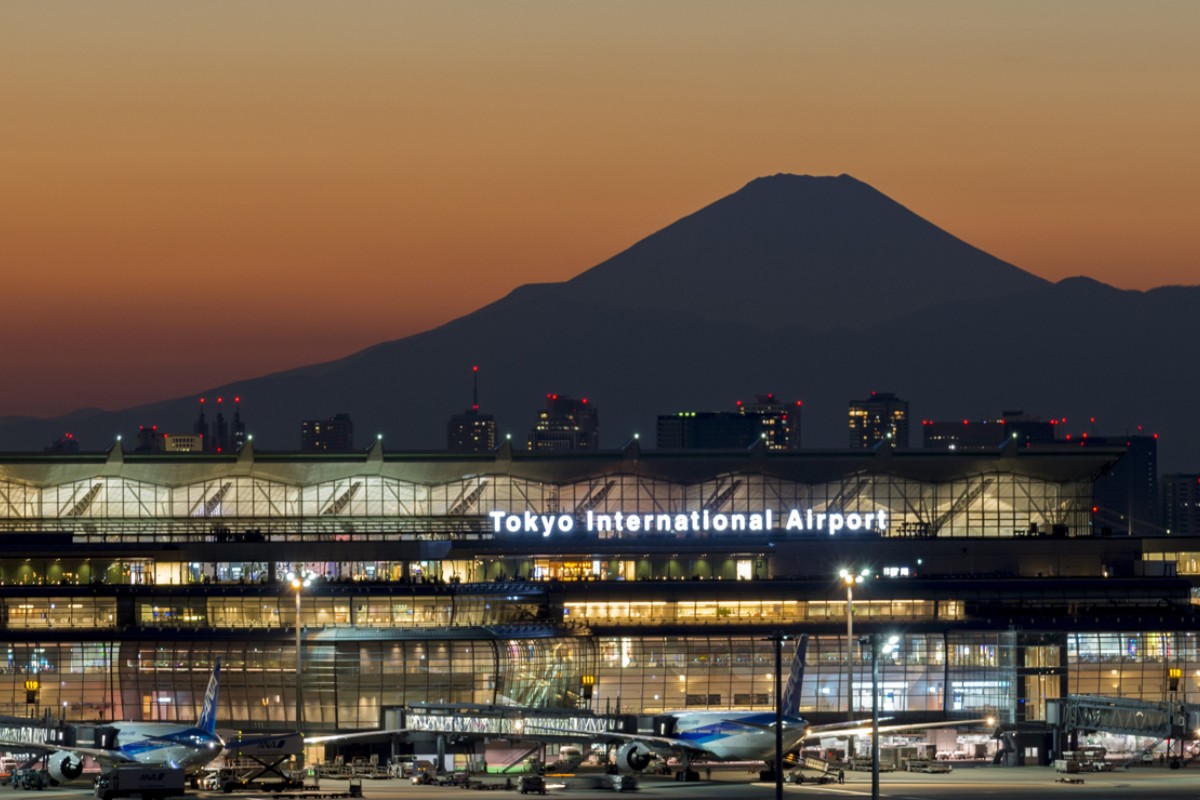
Japan's approach to airport design balances technological sophistication with aesthetic refinement in ways that reflect broader cultural values. Haneda's recent international terminal renovation demonstrates how traditional Japanese spatial concepts can inform contemporary infrastructure design. The architecture emphasizes clean lines, natural materials, and carefully orchestrated sequences of space that create calm environments within busy travel contexts.

The terminal's most distinctive feature is its integration of Japanese cultural elements—from traditional gardens to regional food courts—that educate international visitors while providing comfort to Japanese travelers. This cultural programming transforms the airport into an ambassador for Japanese values and aesthetics.

Haneda's operational systems exemplify Japanese precision and efficiency. Automated systems handle everything from baggage to passenger flow with minimal human intervention, yet the technology remains nearly invisible to users. This approach demonstrates how advanced automation can enhance rather than dehumanize architectural experience.


7. Los Angeles International Airport


Source


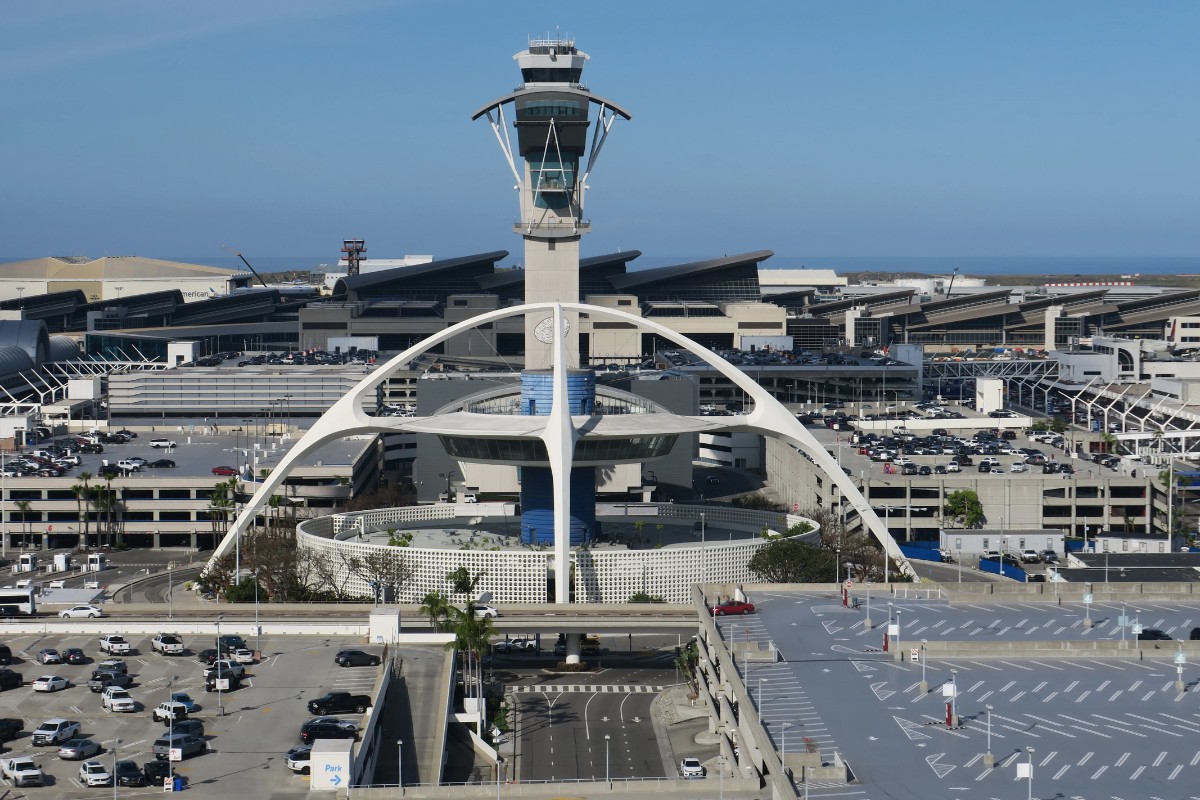
LAX's ongoing transformation reflects Los Angeles's role as both entertainment capital and technological innovation center. The new terminal designs incorporate dramatic lighting, sculptural forms, and high-end retail environments that mirror the city's entertainment industry while serving practical transportation functions.

The airport's design strategy embraces spectacle and performance in ways that transform routine travel procedures into theatrical experiences. From the moment passengers enter, they encounter spaces designed to impress and inspire, reflecting Los Angeles's culture of aspiration and achievement.

LAX's technological systems focus particularly on passenger convenience and entertainment. High-speed wifi, charging stations integrated into seating, and digital art installations create environments where waiting becomes productive or enjoyable time rather than dead time.


The Future of Airport Architecture

Emerging trends in airport design point toward even more radical transformations of transit infrastructure. Vertical airports that integrate with urban towers, underwater terminals connected by tunnels, and modular structures that can be reconfigured for changing needs all represent possibilities being explored by forward-thinking architects and planners.

The most promising developments focus on sustainability and passenger wellbeing. Future terminals may incorporate urban farming systems, renewable energy generation that exceeds building needs, and therapeutic environments that actually improve travelers' health and mood. These innovations could transform airports from necessary infrastructure into positive contributors to urban life and human wellbeing.

Autonomous vehicle integration, supersonic aircraft accommodation, and space travel preparation represent technical challenges that will drive future airport design. The terminals being built today must anticipate these possibilities while serving current needs, requiring unprecedented flexibility and adaptability in their basic structures.


Cultural Identity in Global Infrastructure

The question of which country has the most beautiful airport in the world often reflects cultural values more than objective aesthetic standards. Singaporeans might prioritize the biophilic integration of Changi, while visitors to Istanbul might be moved by the cultural synthesis achieved there. Each represents excellence within different architectural traditions and cultural contexts.

The most successful contemporary airports balance global functionality with local identity. They serve international passengers while expressing regional values, accommodate universal human needs while celebrating cultural specificity. This balance requires sophisticated understanding of both architectural principles and cultural nuances.


Architecture as Journey's Beginning

These remarkable terminals demonstrate that futuristic airports designed around the world have evolved far beyond their utilitarian origins. They serve as cultural ambassadors, technological showcases, and architectural laboratories where humanity's boldest infrastructure dreams take physical form. From Singapore's garden paradise to Beijing's organic starfish, these buildings prove that functional architecture can also be transcendent architecture.

The best examples succeed by recognizing that air travel begins long before takeoff. The anticipation, preparation, and transition involved in flying require spaces that acknowledge both the practical and emotional dimensions of the journey. Great airport architecture serves logistics while nurturing the human spirit, facilitating movement while creating memorable experiences.

As global connectivity continues expanding and air travel becomes increasingly central to human experience, these pioneering terminals point toward a future where infrastructure itself becomes destination. They remind us that the journey can be as meaningful as the destination, and that thoughtful design can transform necessary functions into extraordinary experiences. In our increasingly connected world, these architectural marvels serve as gateways not just to other places, but to other possibilities.

For more such insights and tips about the architectural world, subscribe to the Volume Zero newsletter and get the latest articles delivered to your inbox.

Text provided by Samiksha Ghuge-
Samiksha Ghuge is a newly budding student writer with an insatiable passion for storytelling and a keen interest in Architecture. She is presently pursuing a degree at the L.S. Raheja School of Architecture. Samiksha is on a mission to deliver high-quality, well-researched content that is both informative and engaging. when she is not writing she enjoys sketching, reading, and visiting art museums.


Samiksha Ghuge

Samiksha Ghuge

No Designation Available

Samiksha Ghuge is a newly budding student writer with an insatiable passion for storytelling and a keen interest in Architecture. She is presently pursuing a degree at the L.S. Raheja School of Architecture. Samiksha is on a mission to deliver high-quality, well-researched content that is both informative and engaging. when she is not writing she enjoys sketching, reading, and visiting art museums.


Subscribe

Get our latest article and updates delivered straight to your inbox.