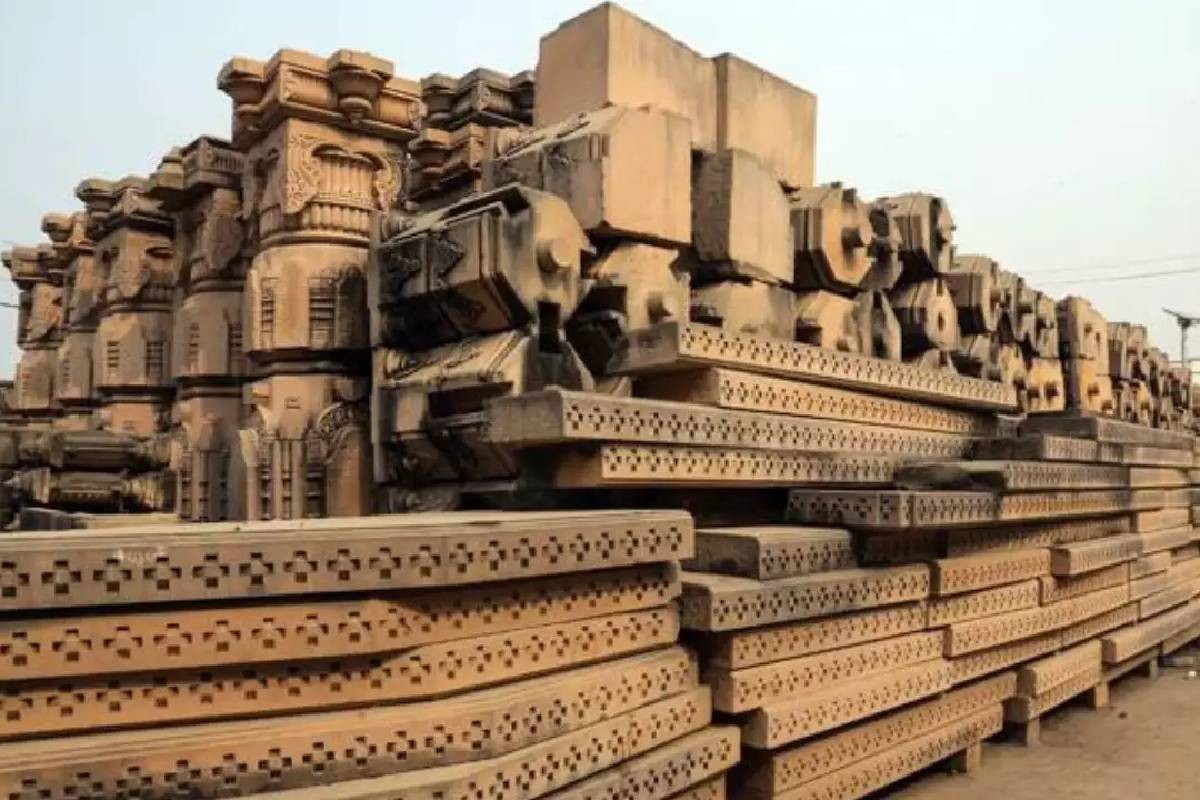
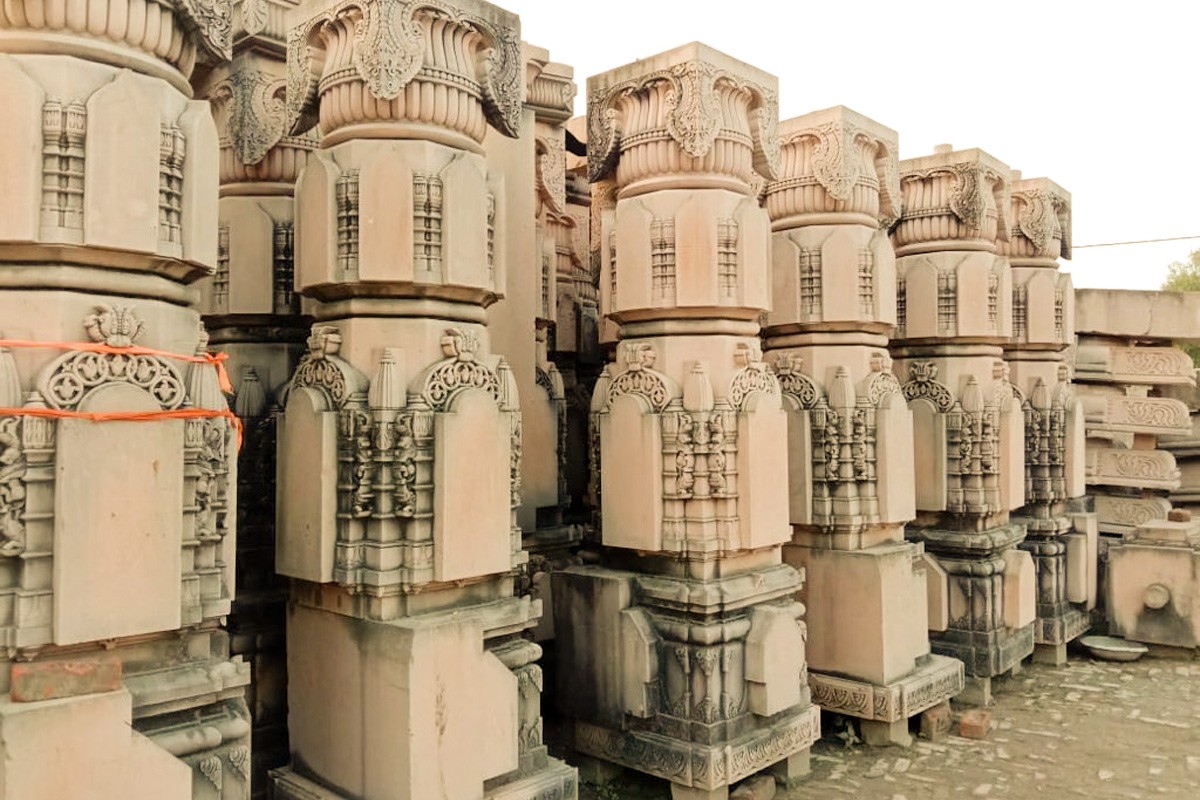
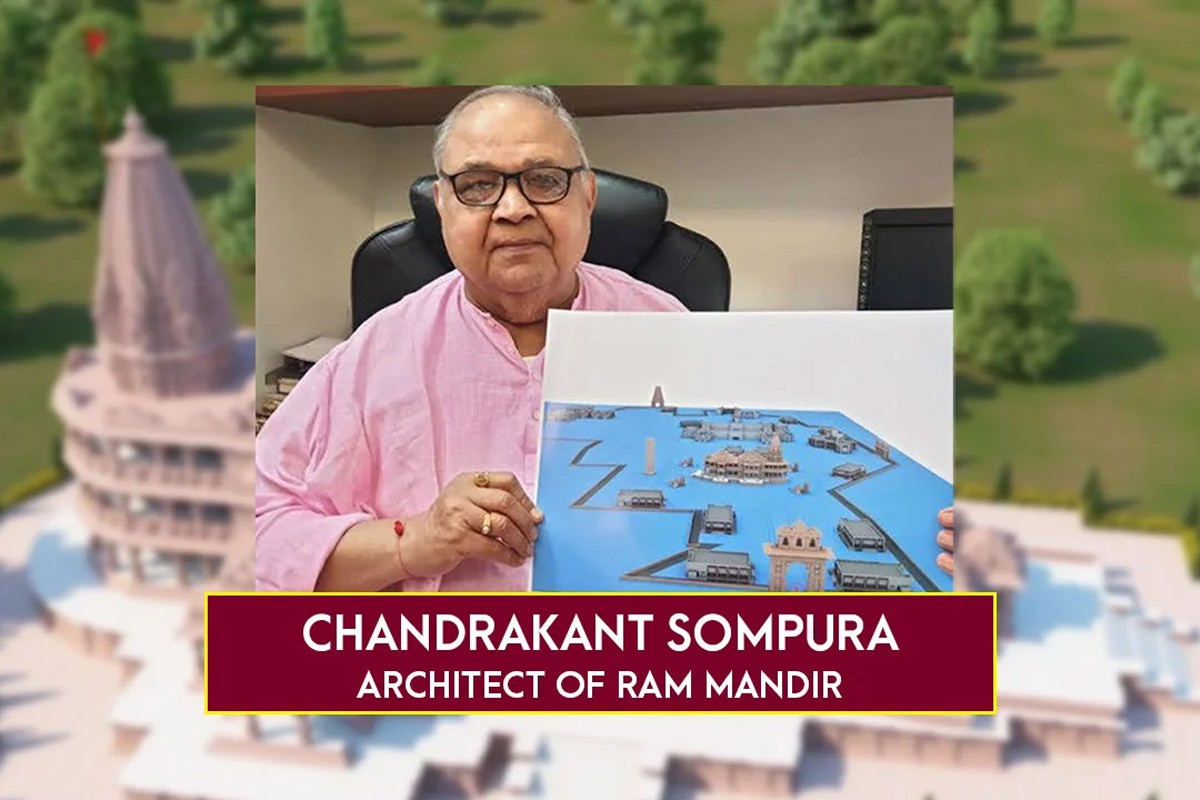

A: The temple is designed by an experienced architectural team that works with traditional Hindu temple vocabulary. The article highlights that the project blends the vision of the architects with the craftsmanship of skilled artisans responsible for stone carving, sculptural details, and the overall material expression of the complex. It also notes the presence of structural and project consultants who support the execution at this scale.
FAQ
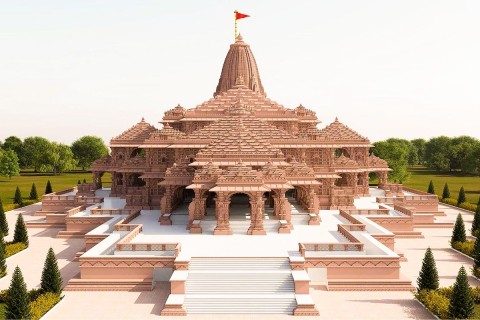
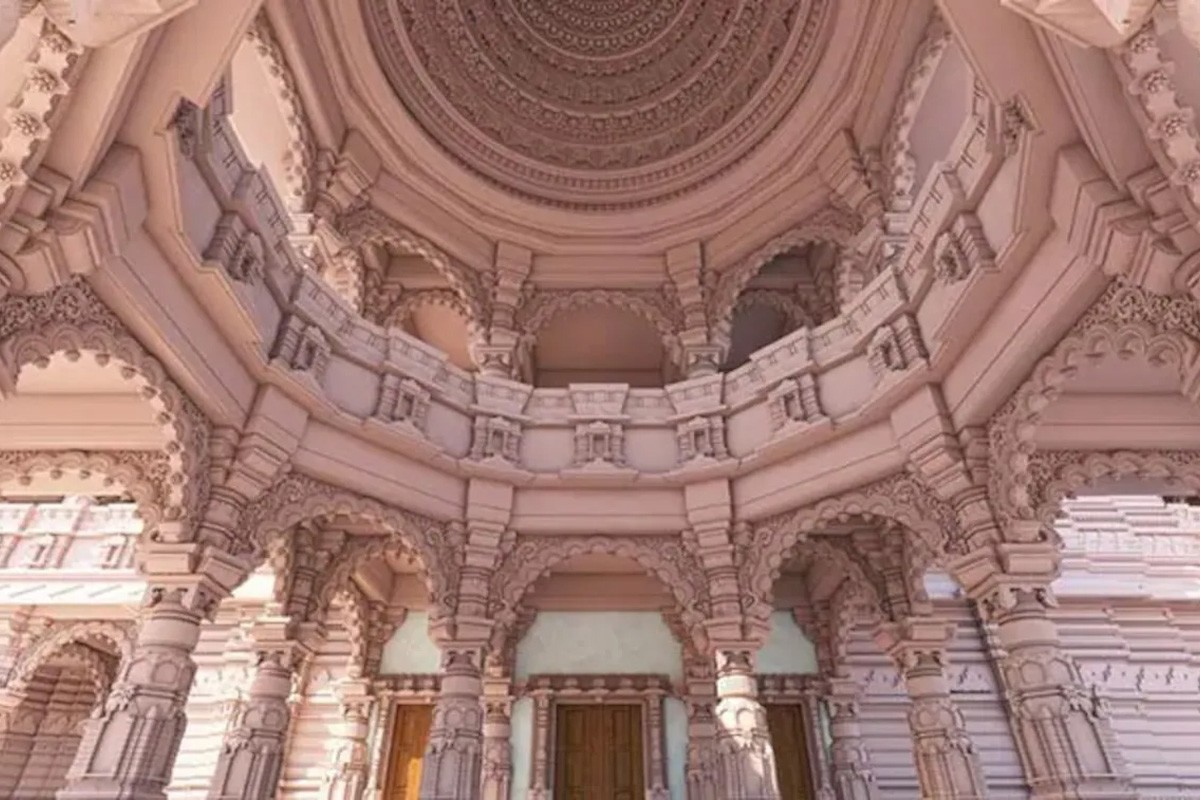
A: The layout follows sacred geometry and traditional Hindu principles, creating a spatial journey that reflects devotion and divinity. The mandapas, courtyards, and the shikhara express symbolic hierarchies, guiding devotees inward toward the sanctum. The use of pink sandstone and stone carvings reinforces cultural continuity, while the overall arrangement of spaces mirrors the spiritual ascent associated with temple architecture.
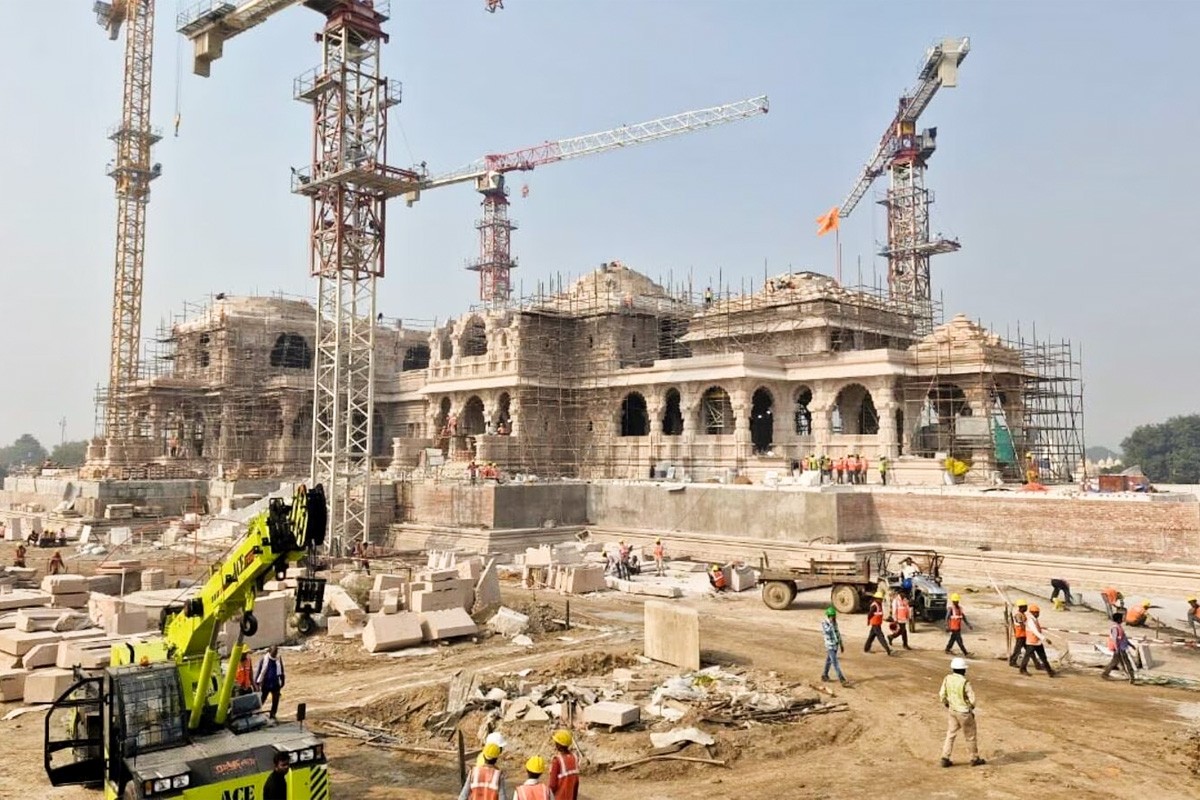
A: The design uses durable indigenous materials like Bansi Paharpur sandstone and granite, giving the complex a monumental and enduring character. The multiple mandapas, layered courtyards, and precise stone joinery create a structurally impressive, large scale temple without modern visual intrusions. The article also emphasizes the clarity of the layout, massing, and the disciplined alignment of elements that give the structure its balanced and dignified presence.
A: The Ram Mandir stays faithful to the Nagara style, with its shikhara, pillared halls, carved facades, and axial progression intact. At the same time, the scale and layout have been refined to accommodate contemporary patterns of pilgrimage, making the traditional vocabulary work for a modern context. The project preserves classical craftsmanship, stone techniques, and ornamentation while integrating them into a more expansive and organized temple complex suited to present day use.