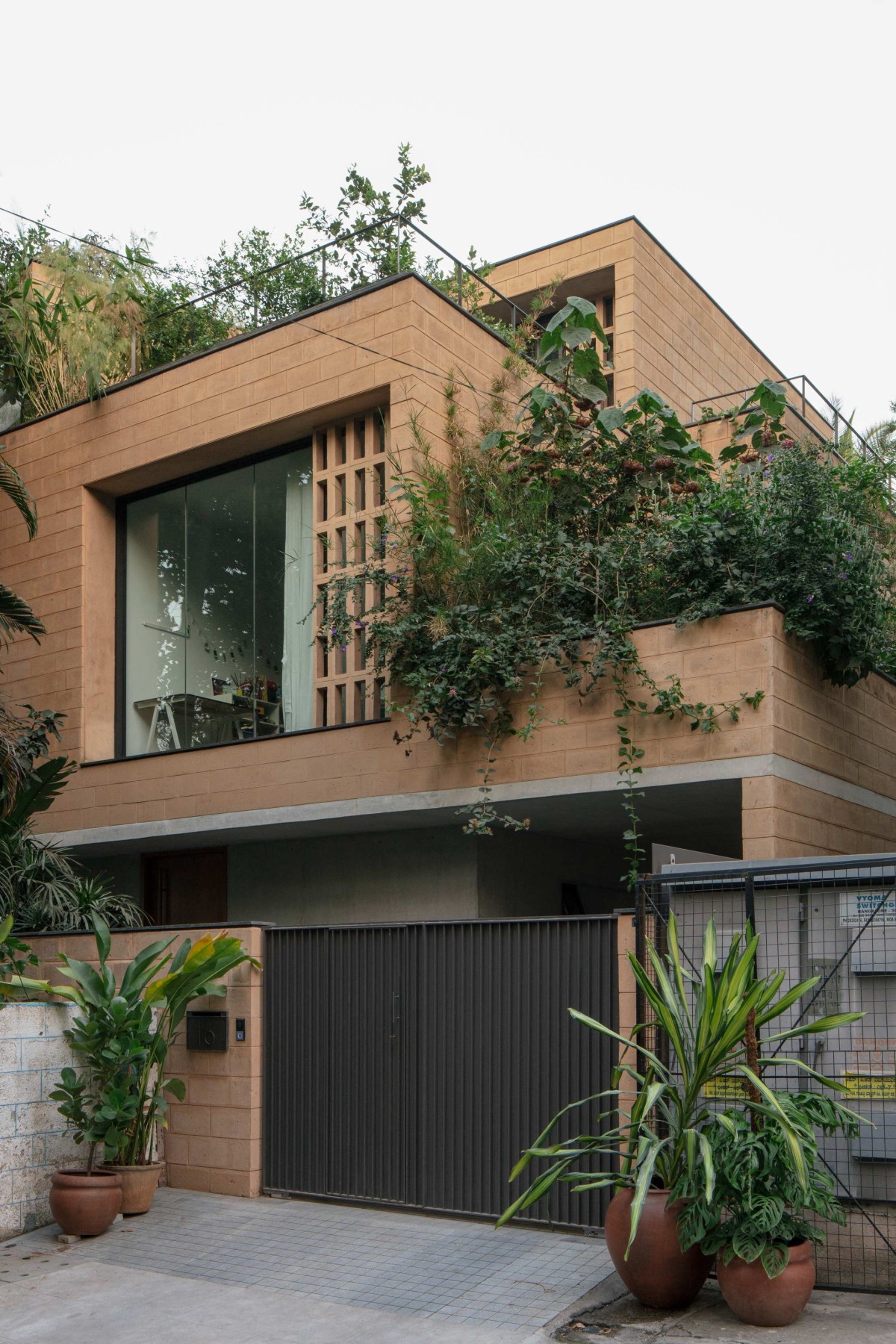
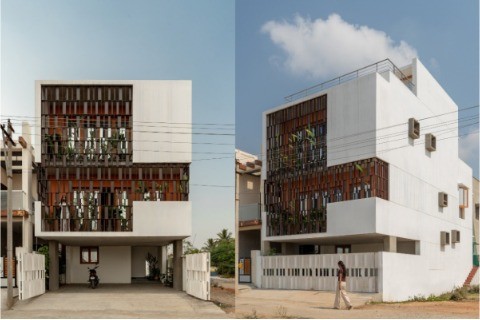
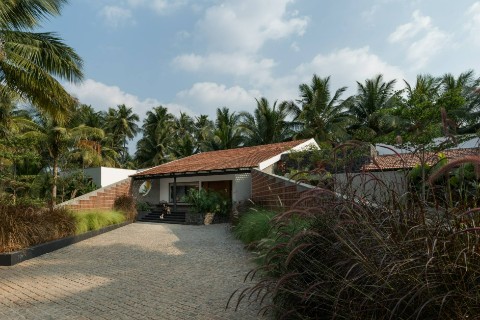
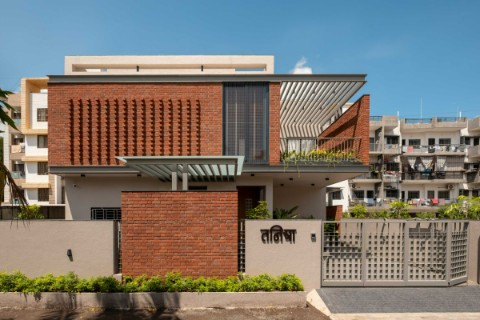
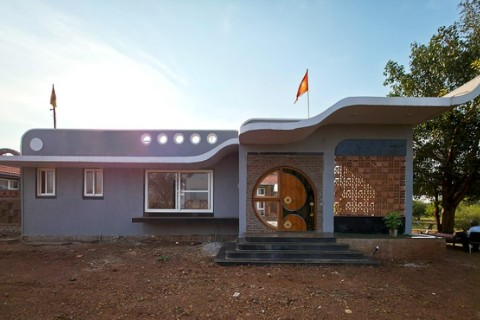
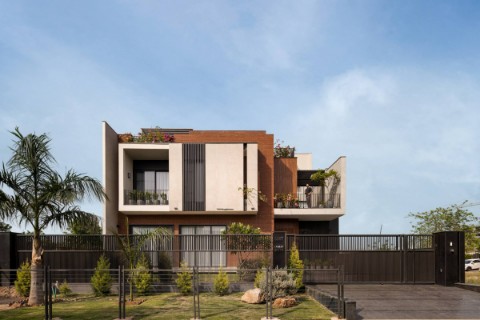
Exterior view of Debris Block House by CollectiveProject
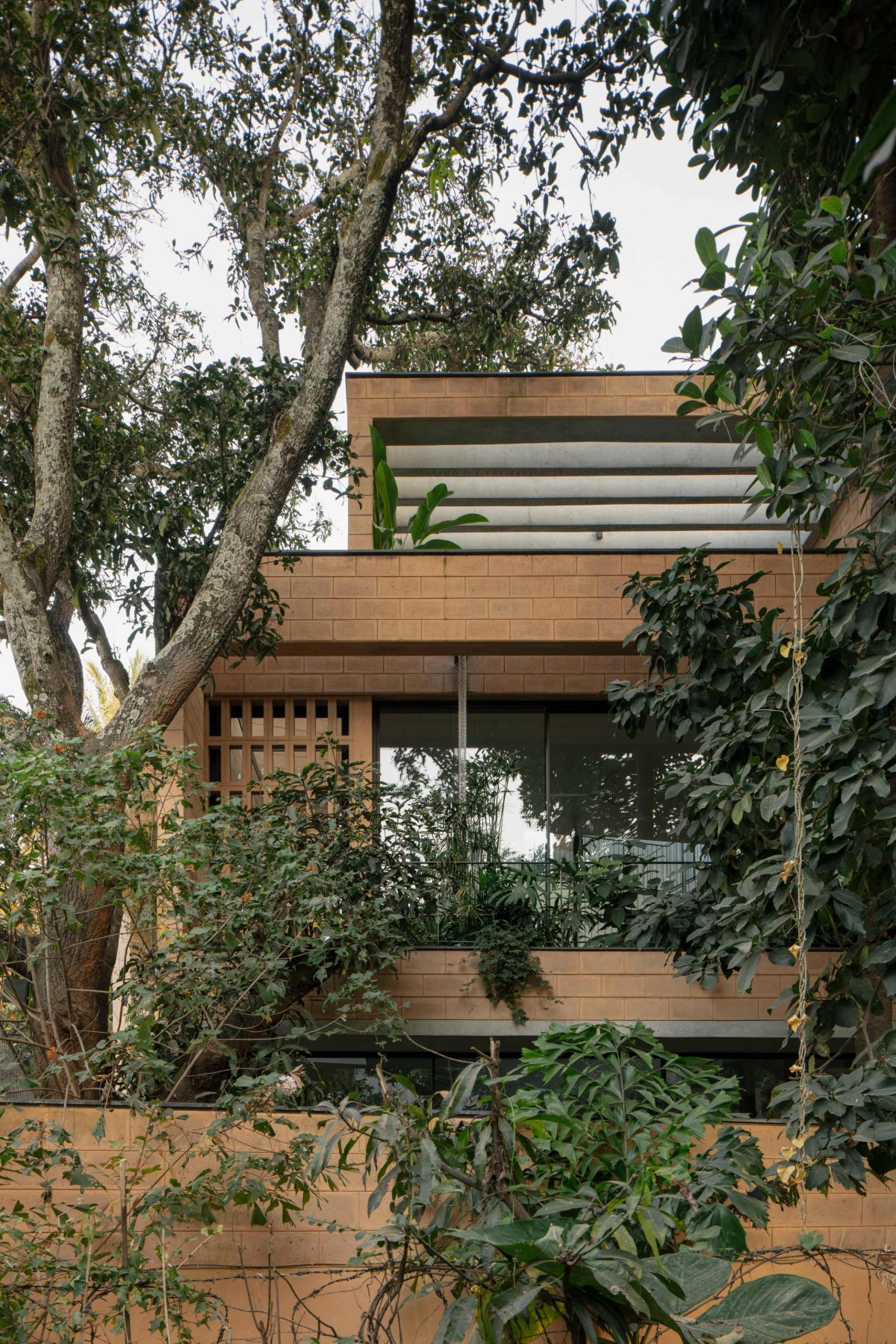
Exterior view of Debris Block House by CollectiveProject
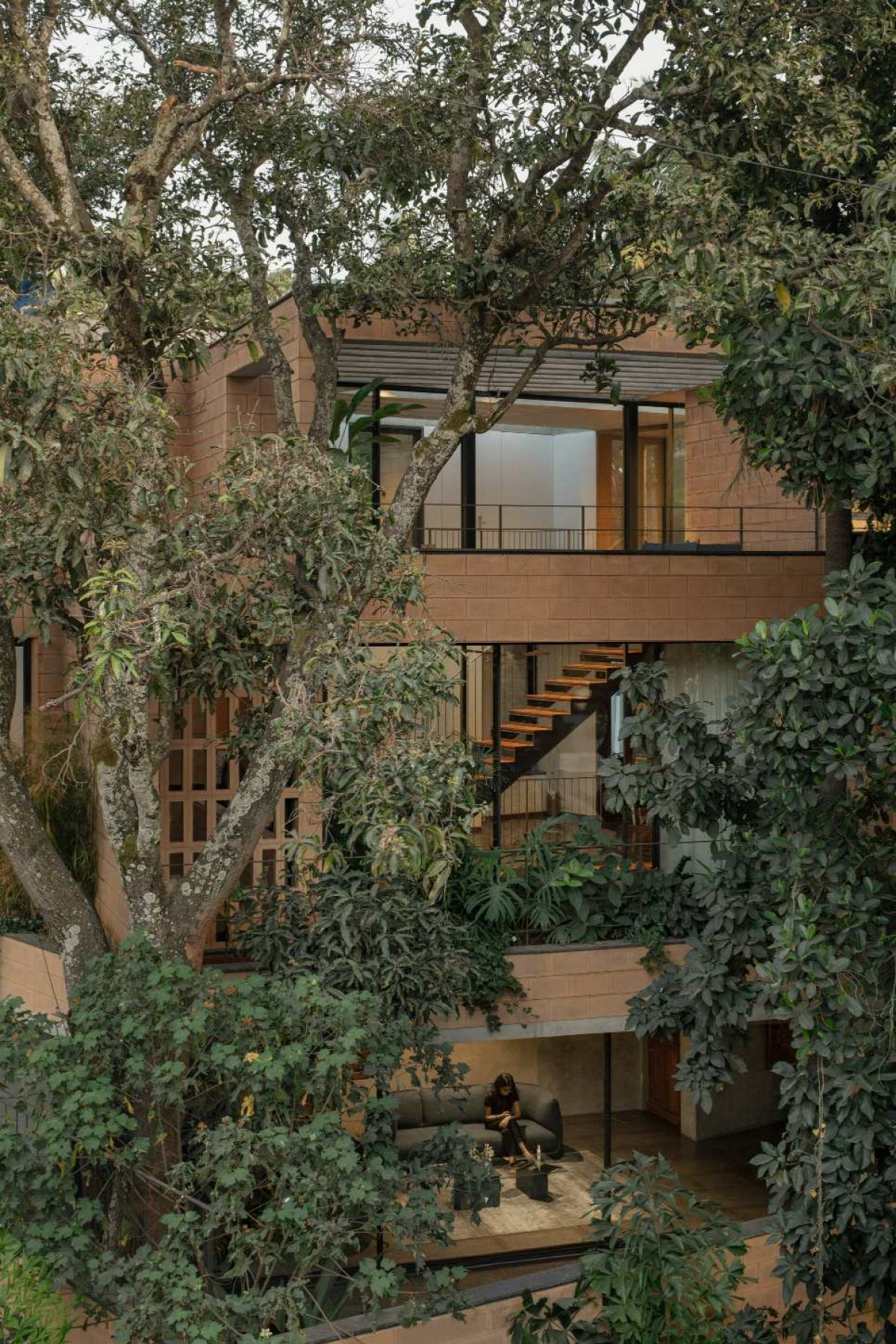
Exterior view of Debris Block House by CollectiveProject
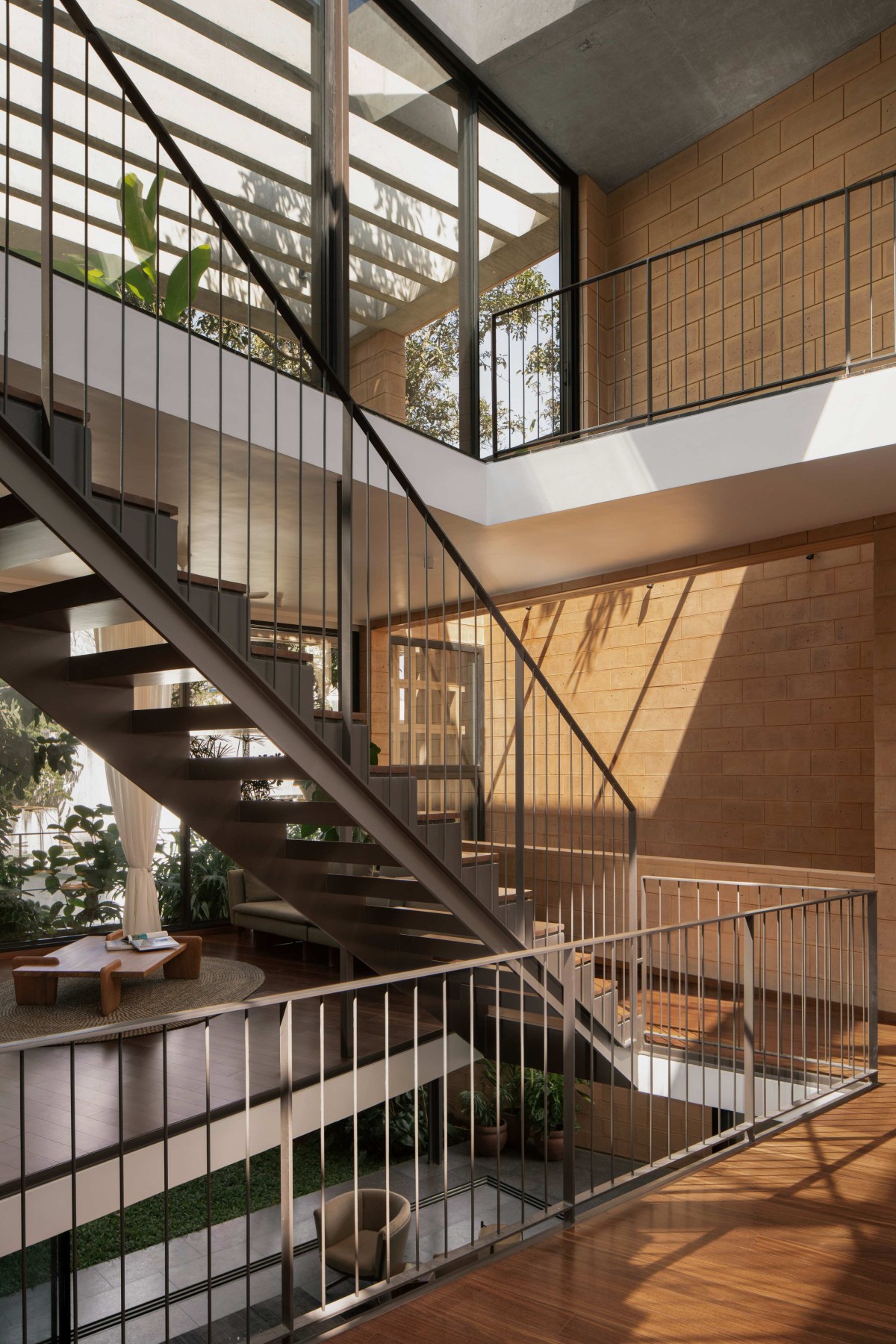
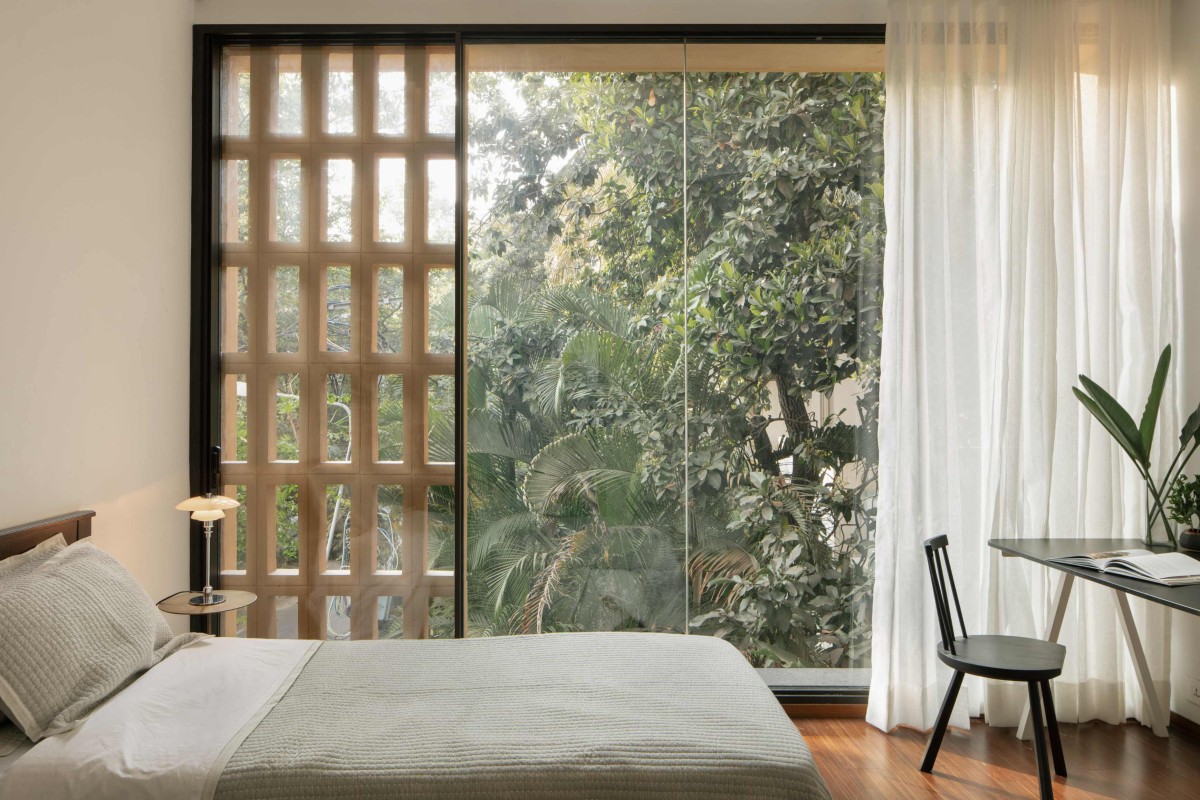
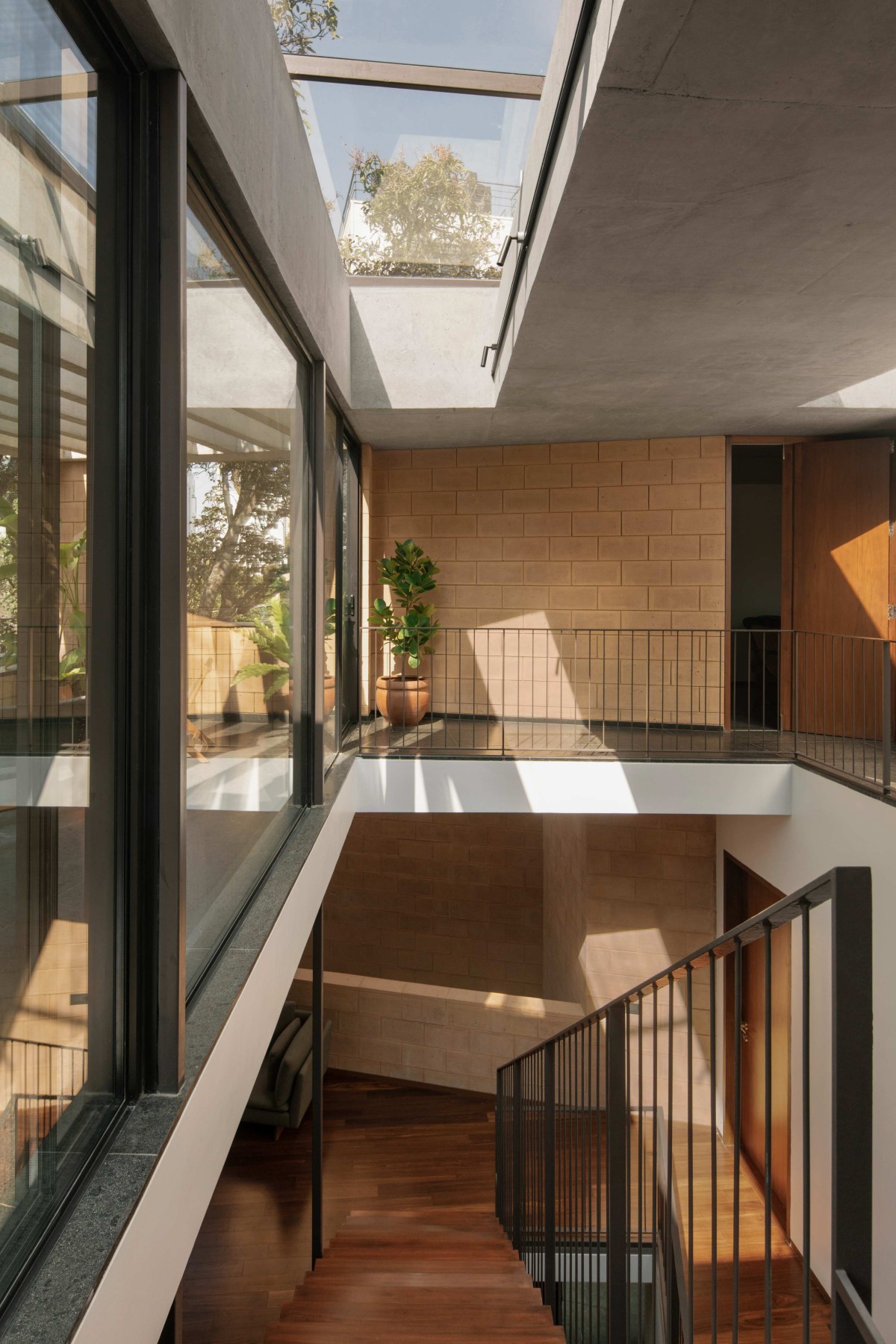
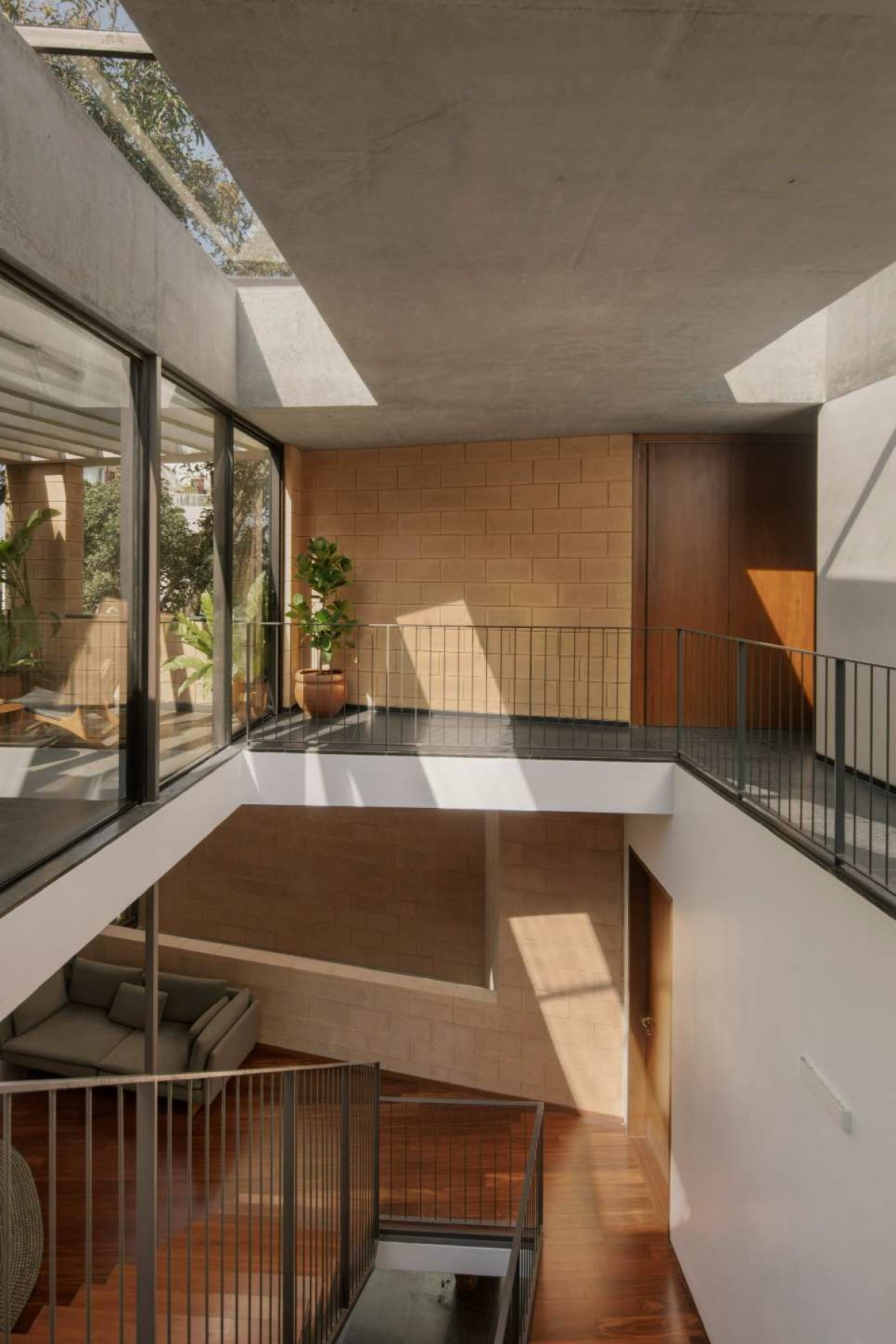
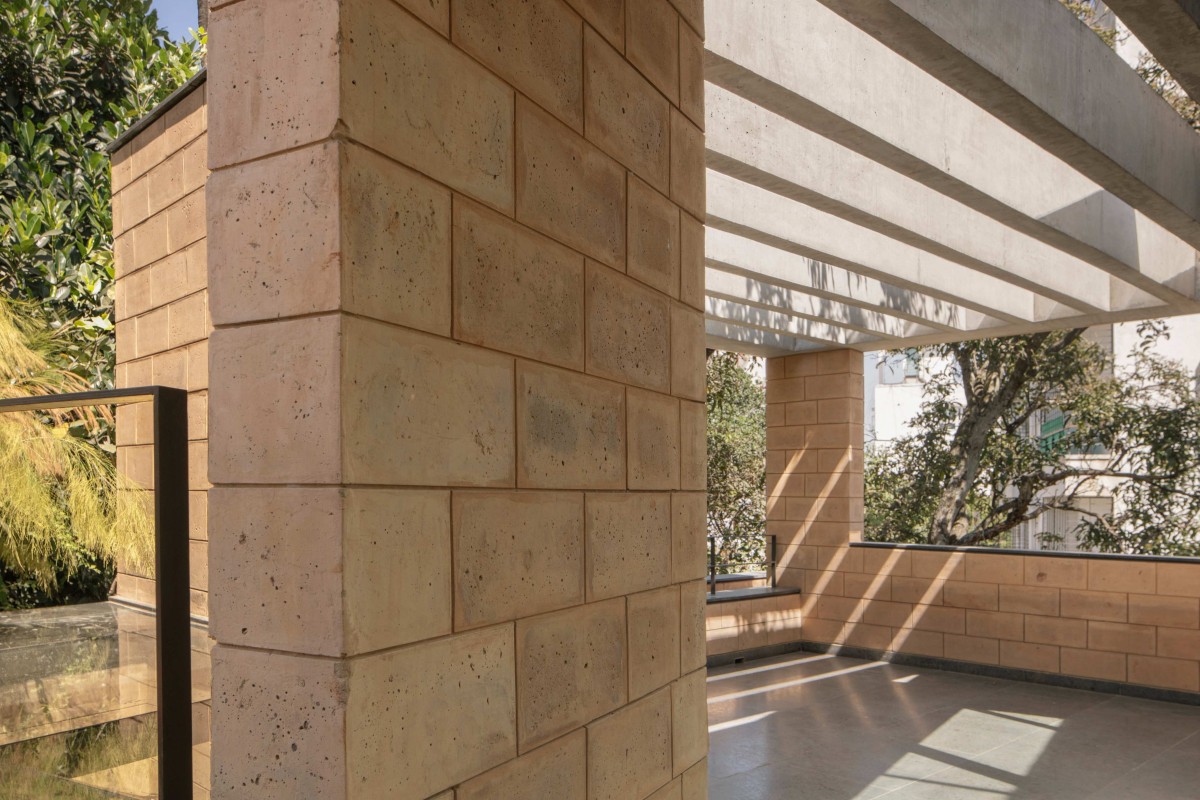
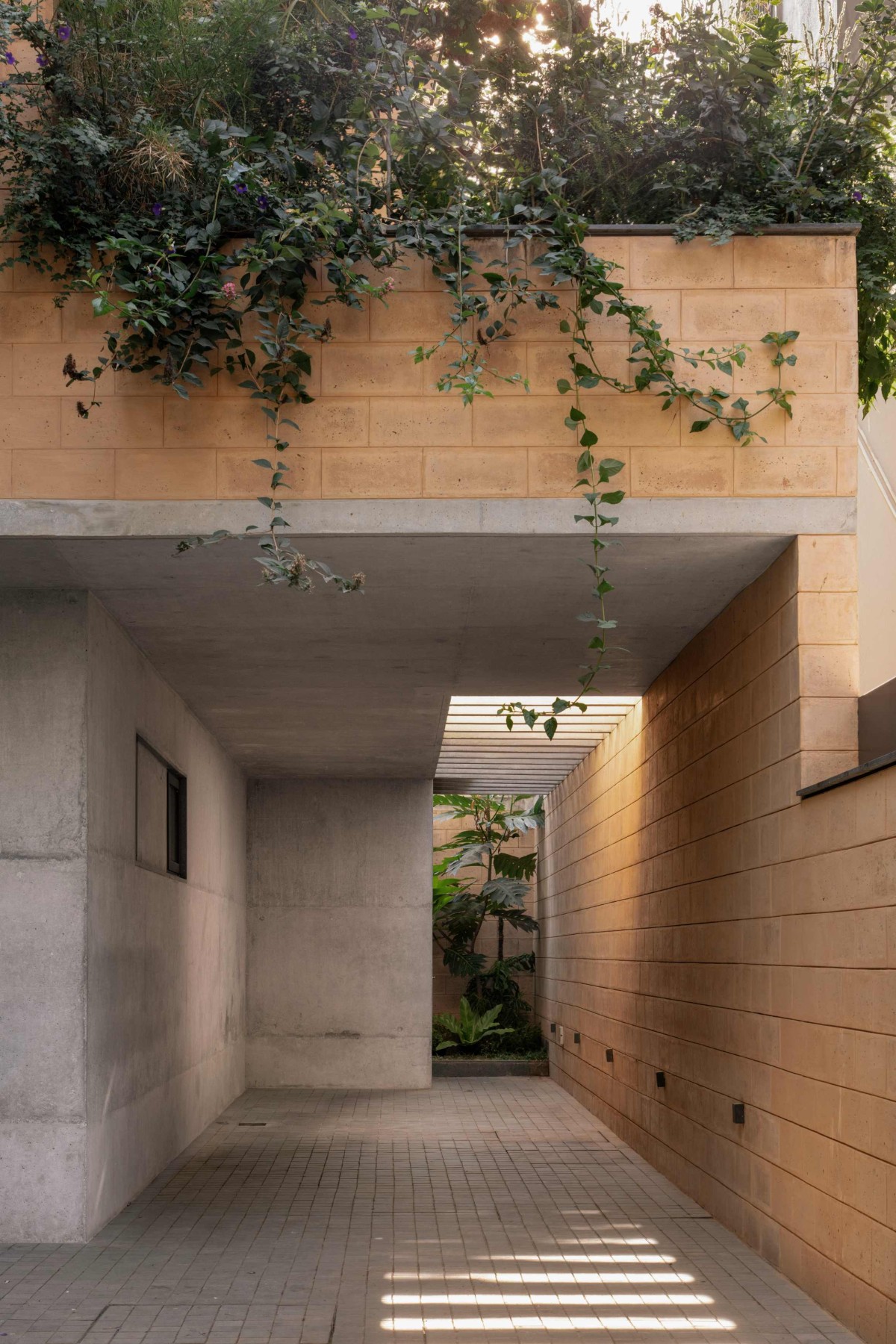
Extensive research went into developing the mud-concrete blocks created using the waste material from the existing 50-year-old house. The debris from the demolition was broken by hand, remixed and cast in custom moulds to create the final sundried blocks. On the upper levels, the blocks are complimented with porous jali screens that allow for natural ventilation and security at night.
Few cities in India have seen as much concurrent growth and rampant destruction as Bangalore. Famous for its dense tree cover, mild climate and abundant lakes, the city benefited enormously from the country’s economic liberalization and engagement with the world economy. Rapid urbanization and unregulated sprawl came at the expense of natural resources including the encroachment, filling and un-regulated dumping of construction debris (from the demolition of old houses and under-performing commercial buildings) into the city’s lakes and waterways.
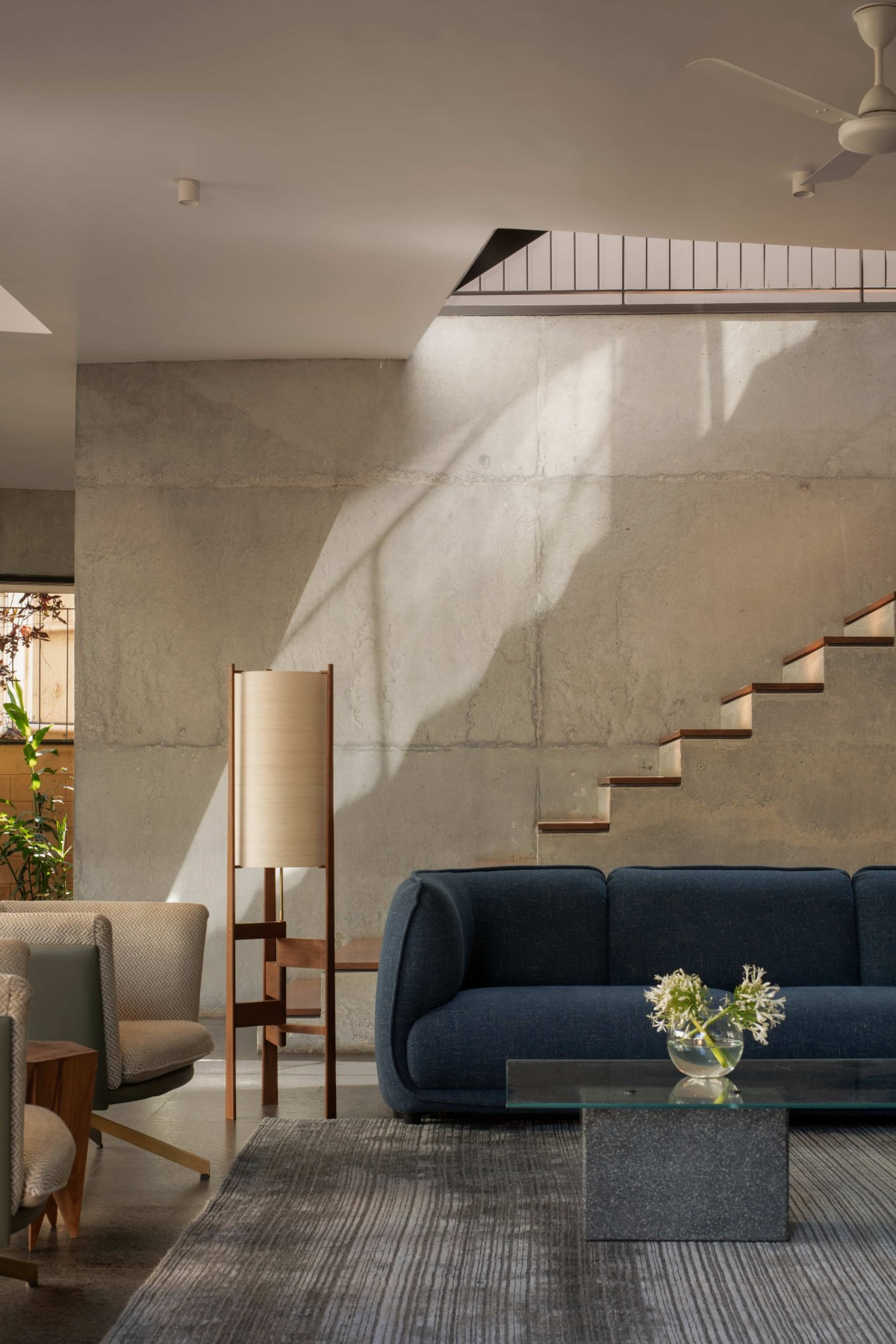
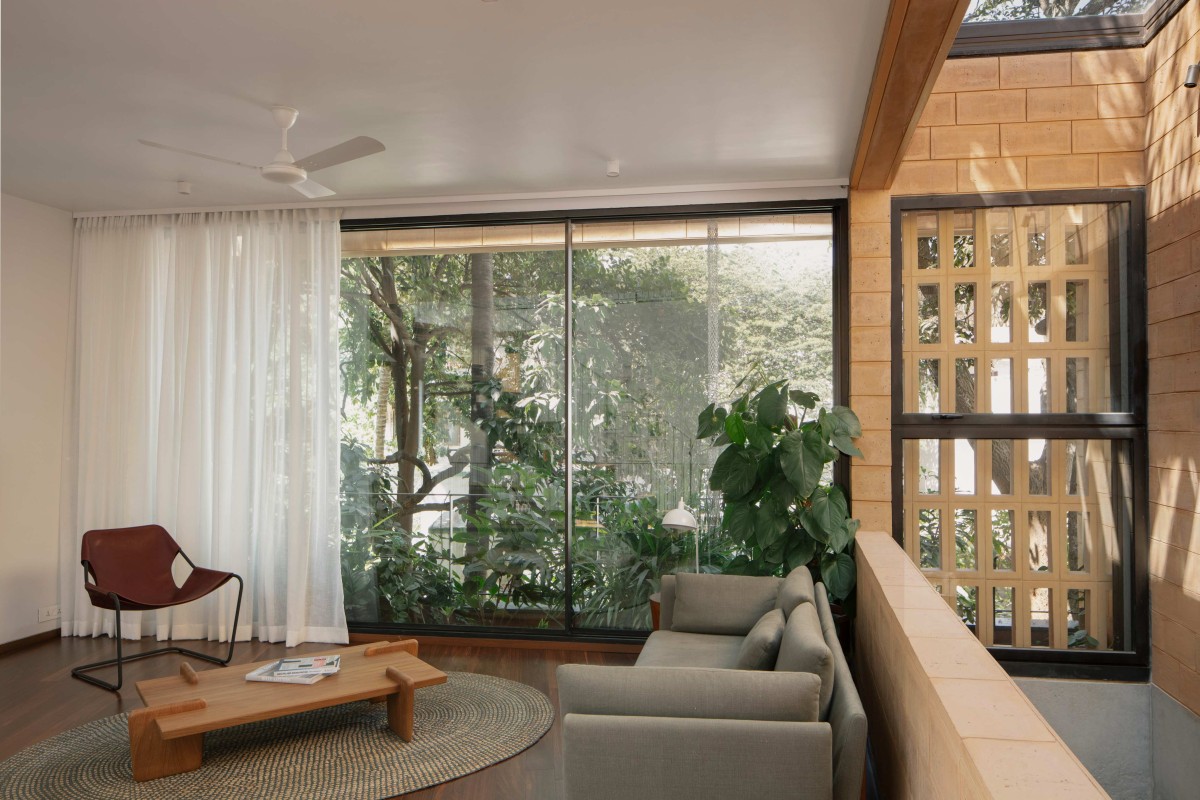
Living room of Debris Block House by CollectiveProject
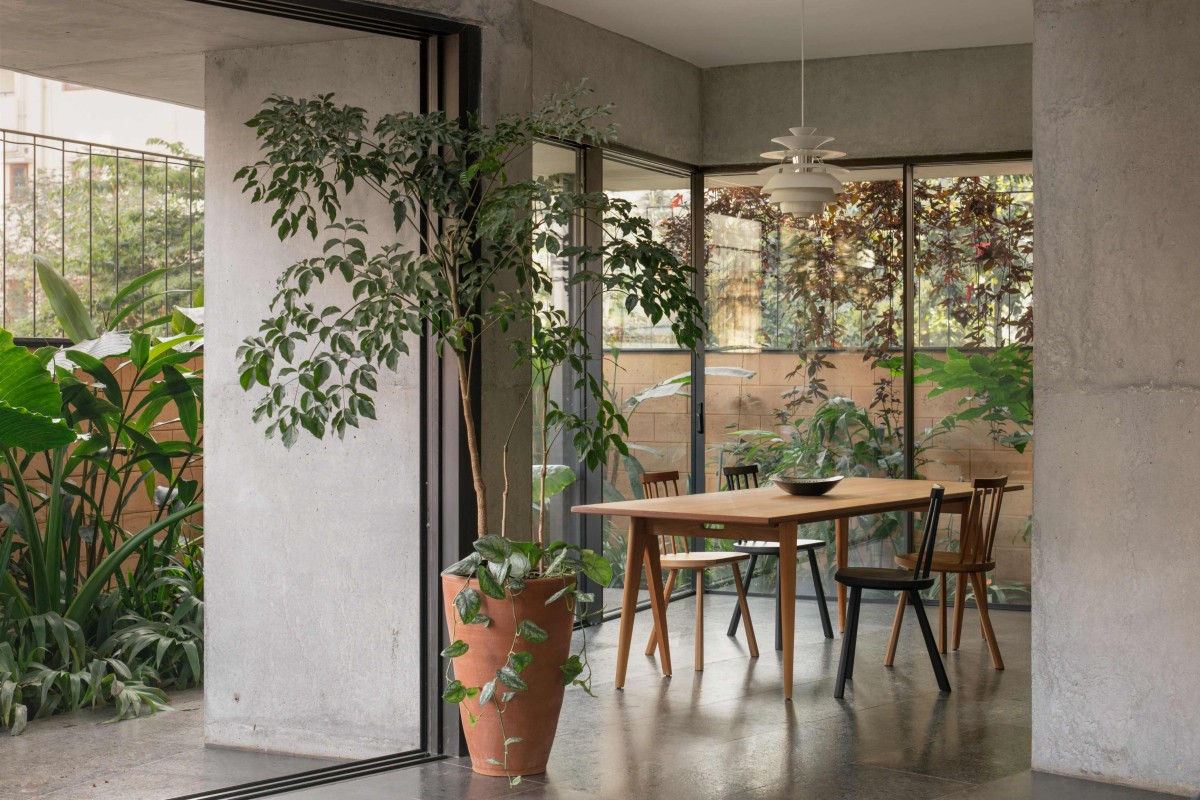
Dining of Debris Block House by CollectiveProject
First floor view of Debris Block House by CollectiveProject
Family room of Debris Block House by CollectiveProject
Bedroom of Debris Block House by CollectiveProject
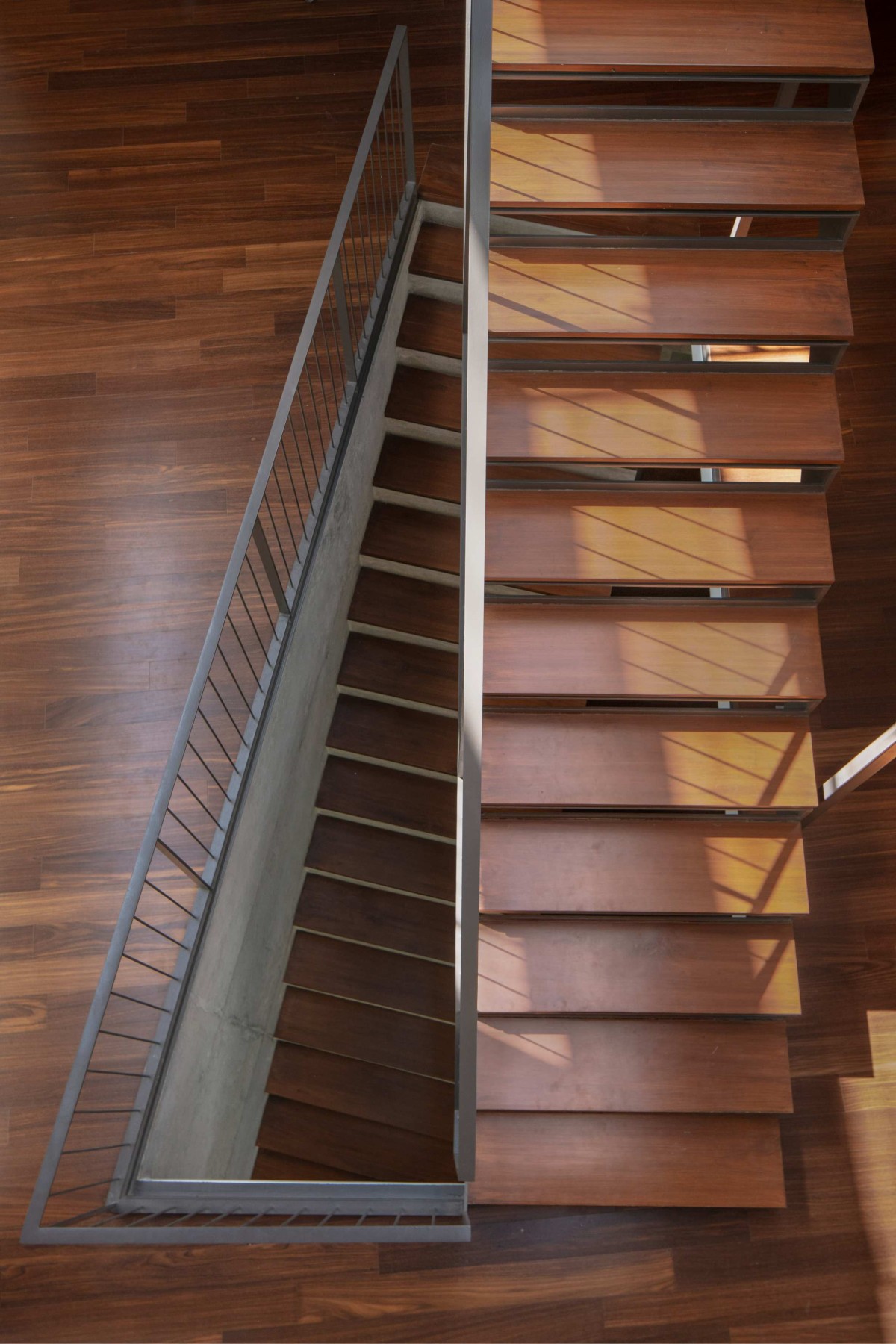
Staircase of Debris Block House by CollectiveProject
Staircase view of Debris Block House by CollectiveProject
To address this problem, we questioned if building demolition debris could be considered a resource, instead of generating waste, to create new components for construction. Our interest was in an accessible, minimal energy impact and cost-effective solution that could be executed by semi-skilled labour on-site using manual moulds and locally sourced admixtures. In 2018, our research began under the advisement of a retired scientist from the Indian Institute of Science who directs a local organization promoting earth construction. He advised us on possible mixtures using lime, soil, cement and demolition debris, which we documented and cast into blocks and tiles to study colour, finish and durability. Our final samples were then lab-tested to ensure their structural strength, which surpassed that of the typical concrete blocks commonly used in local construction. We continue to explore ways to optimize cost, time and material, not only as a responsible solution to the city’s growing problem but as a way to capture the history of a site while transforming it into something new.
This home and supporting research provide a roadmap for responsible construction. Over the past few years, we have been approached by architects across the country who are interested in using a similar process. Construction waste is a resource, and it can be used in a way that still celebrates design and space making.
Second floor view of Debris Block House by CollectiveProject
Terrace of Debris Block House by CollectiveProject
Parking of Debris Block House by CollectiveProject
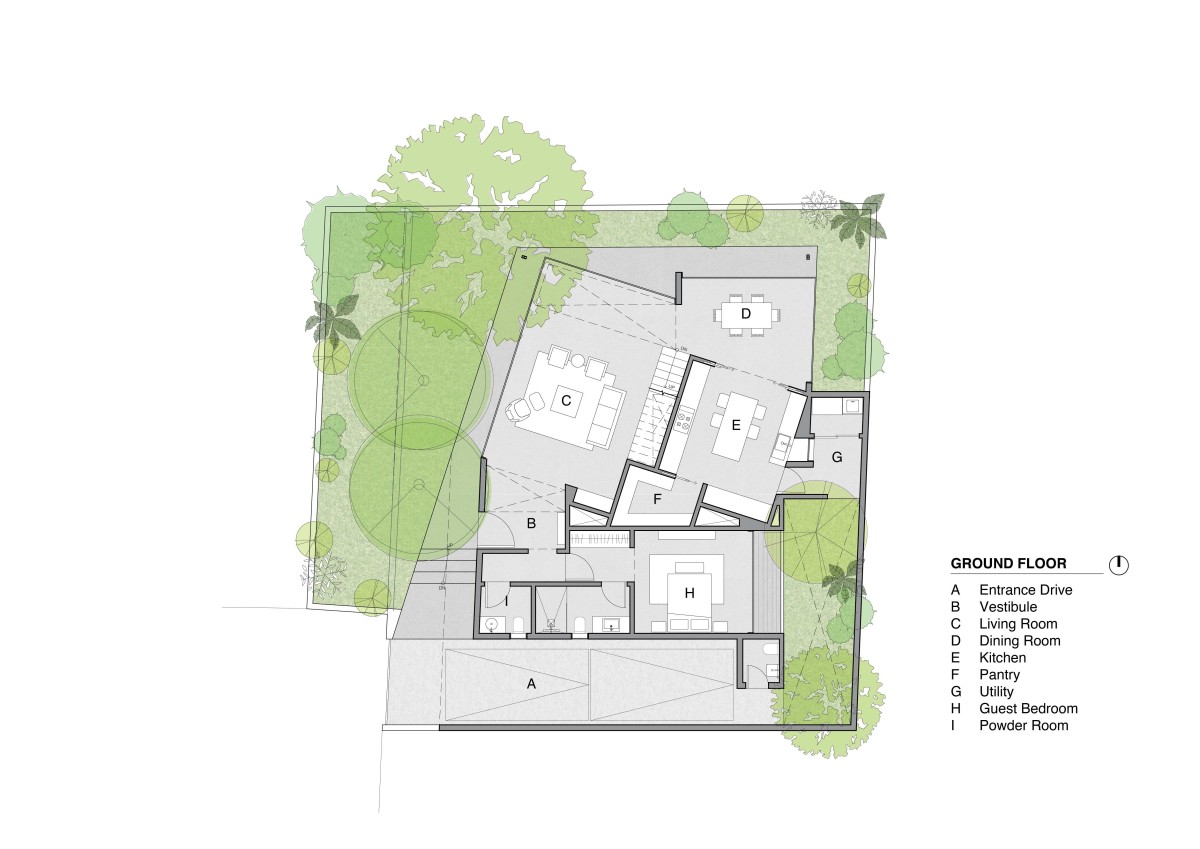
Ground Floor Plan of Debris Block House by CollectiveProject
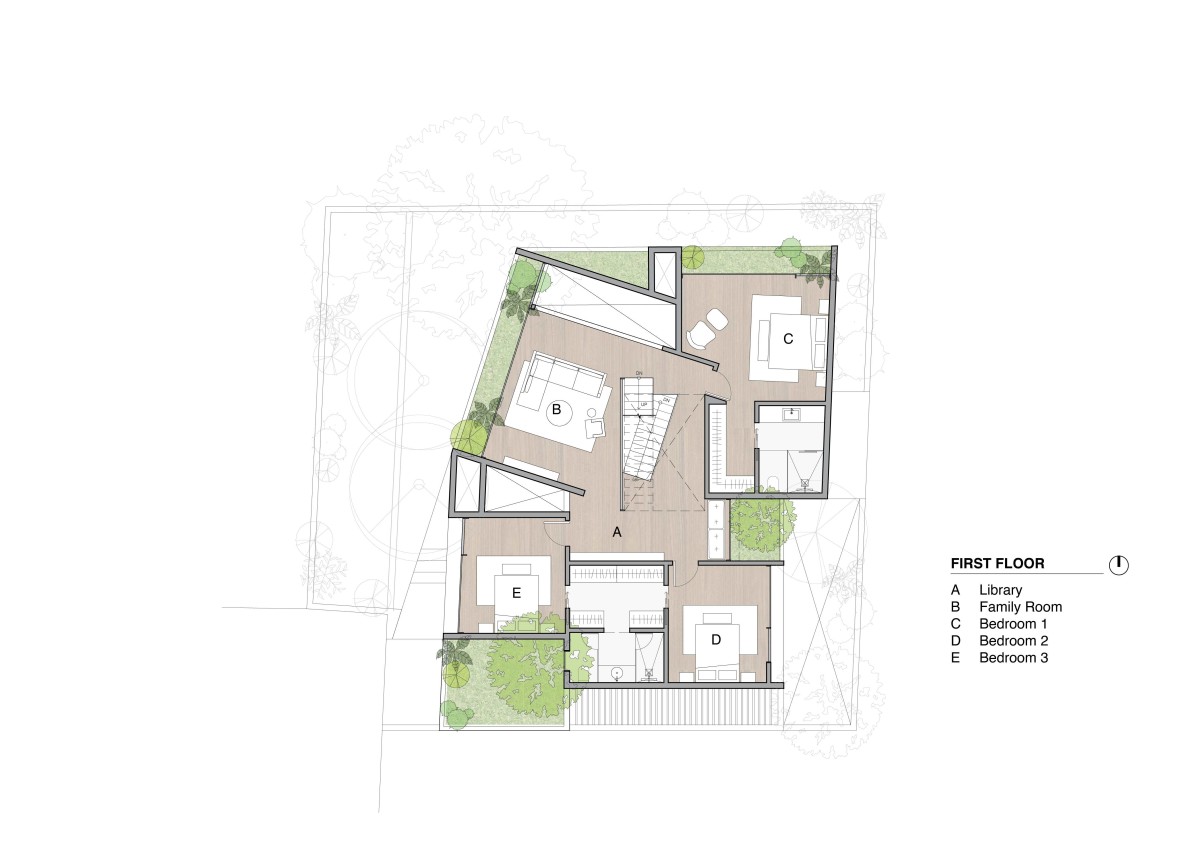
First Floor Plan of Debris Block House by CollectiveProject
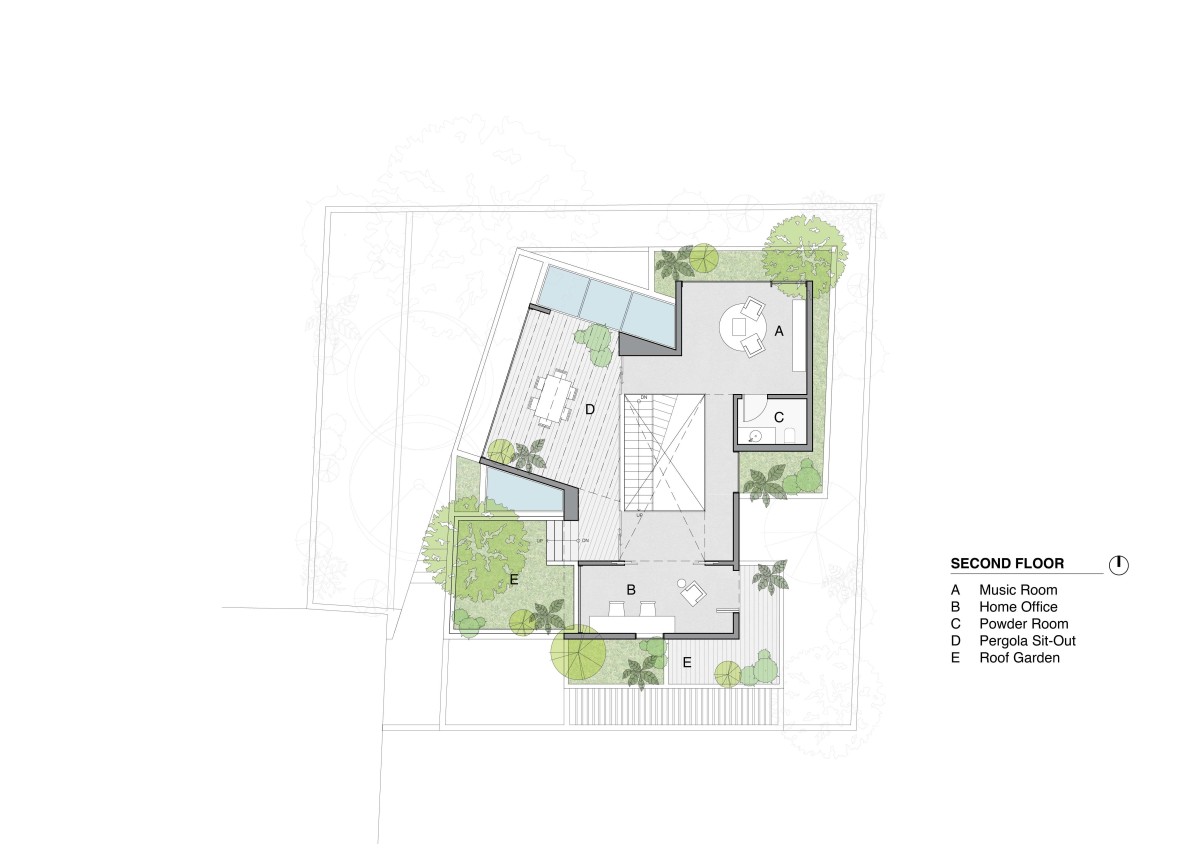
Second Floor Plan of Debris Block House by CollectiveProject