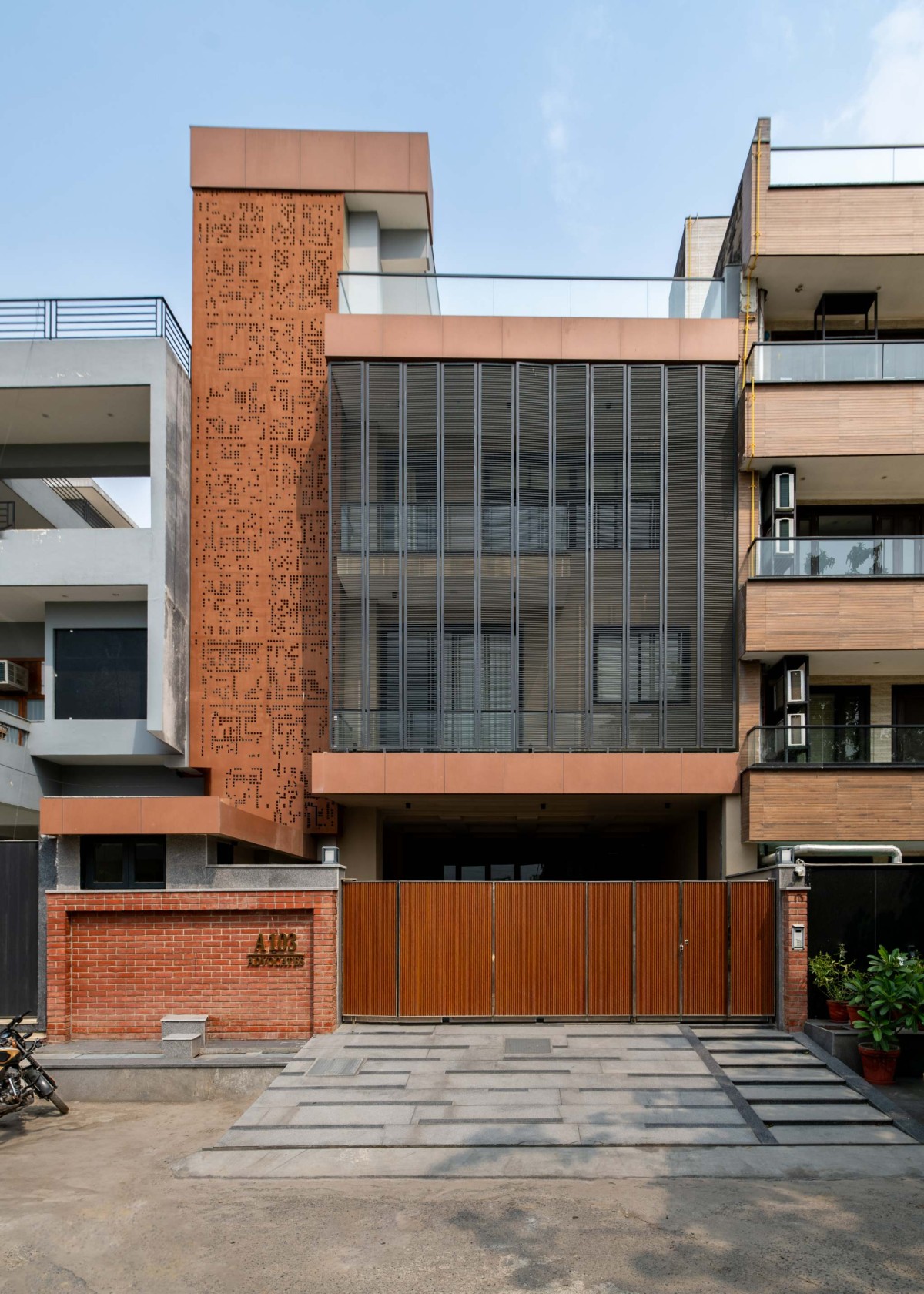
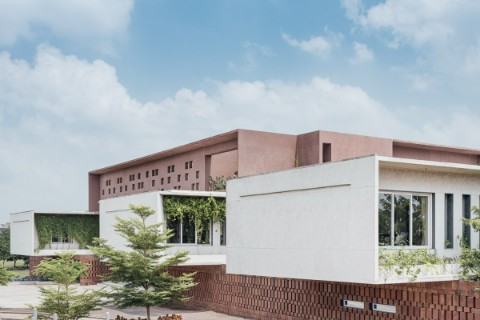
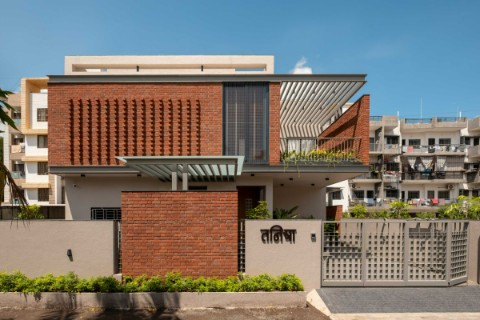
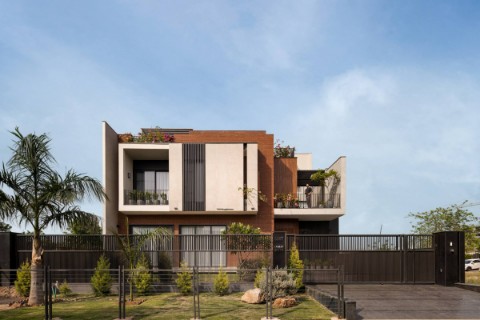
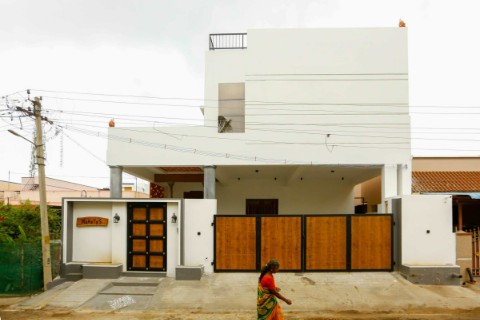
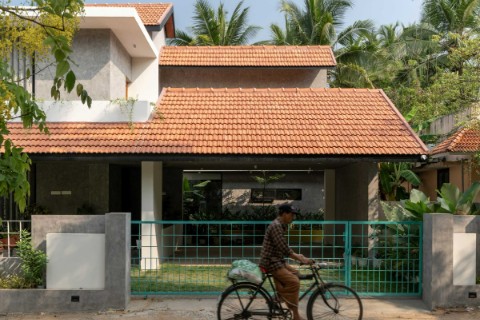
Exterior view of Vinyasa by BDAA Architects
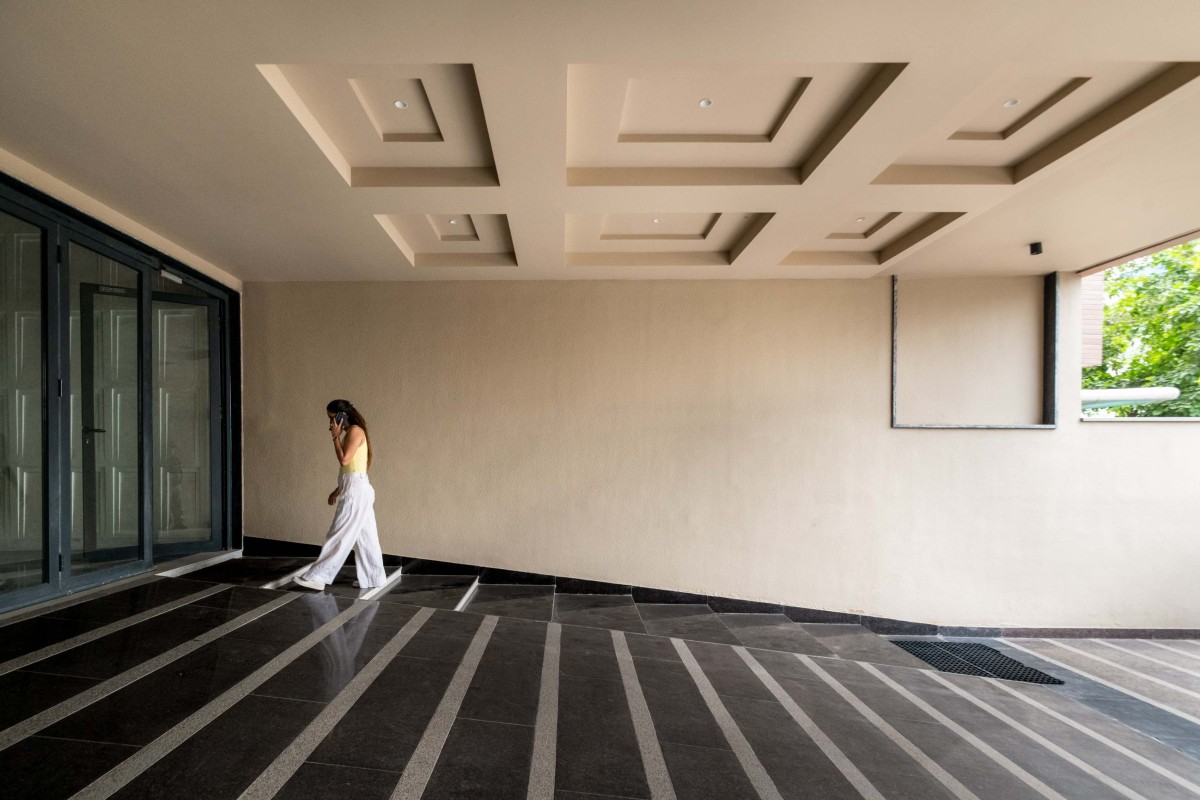
Front Setback of Vinyasa by BDAA Architects
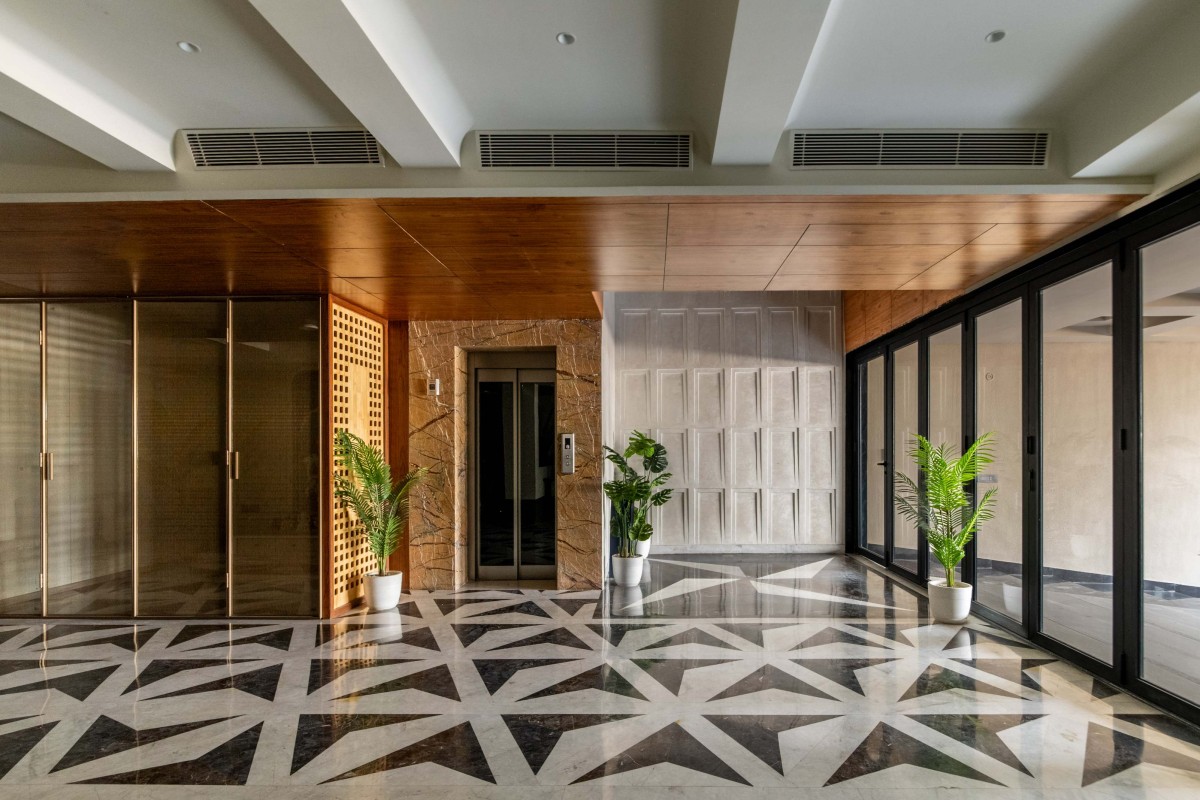
Entrance Foyer of Vinyasa by BDAA Architects
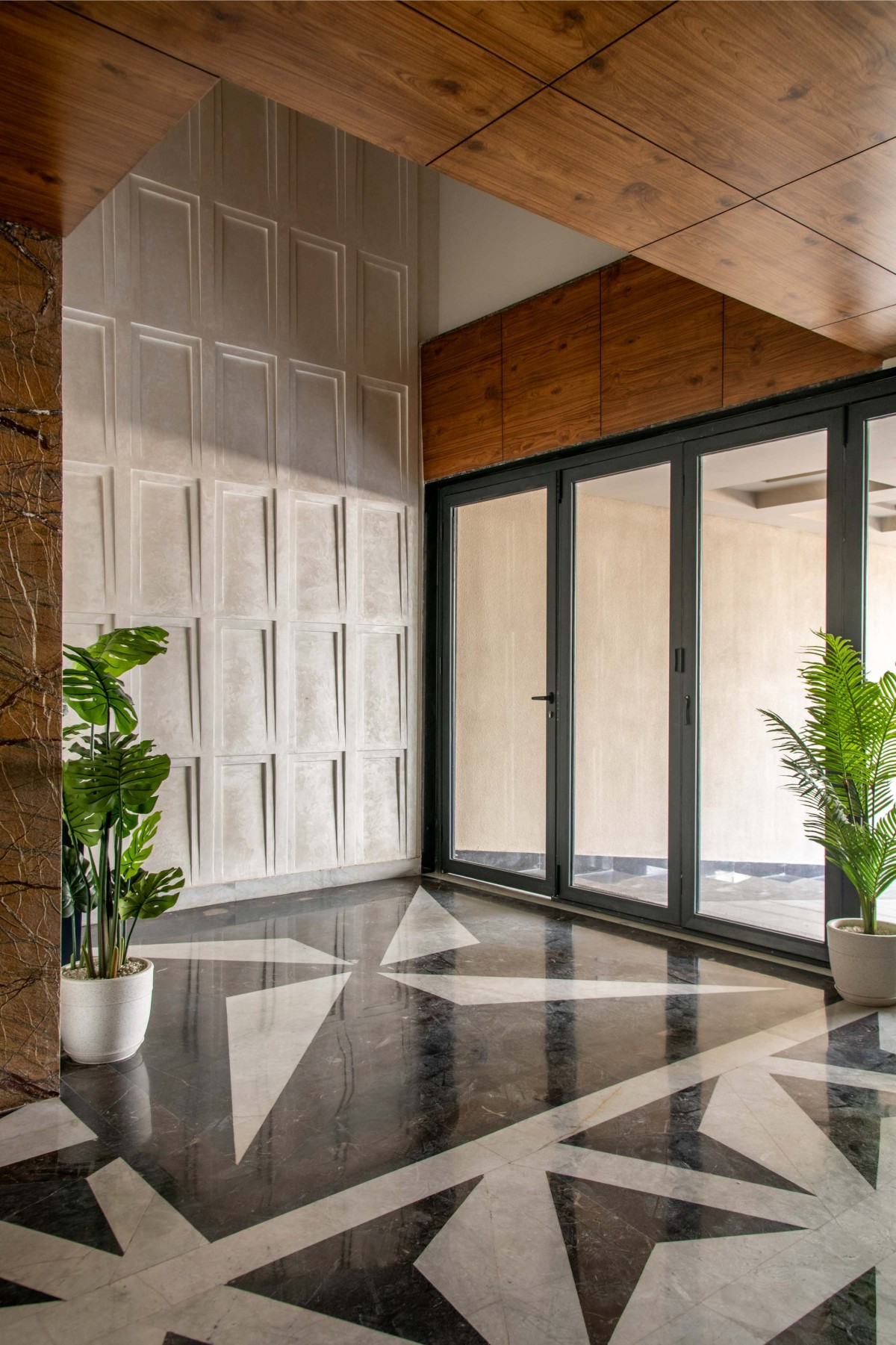
Double Height Entrance of Vinyasa by BDAA Architects
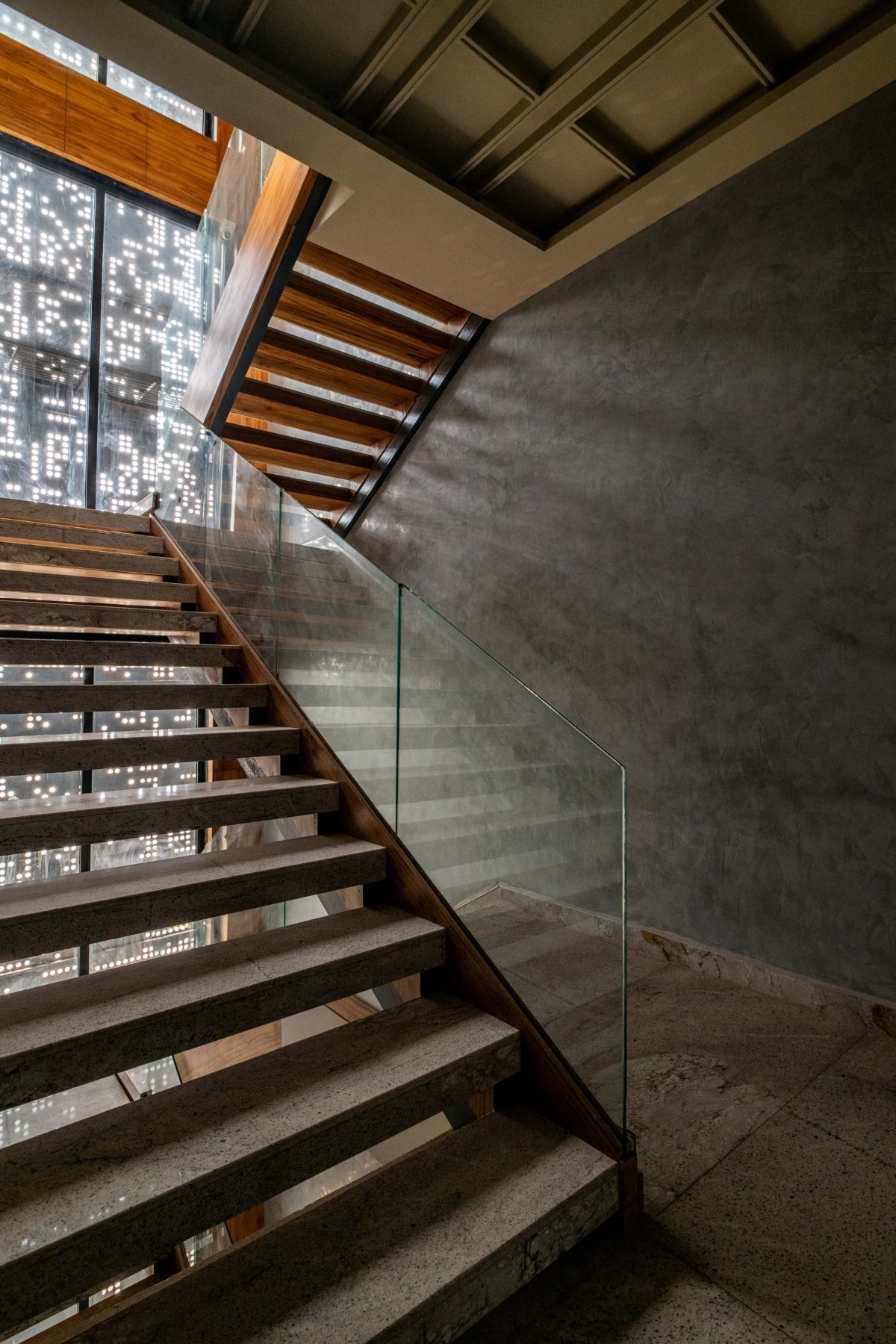
Staircase of Vinyasa by BDAA Architects
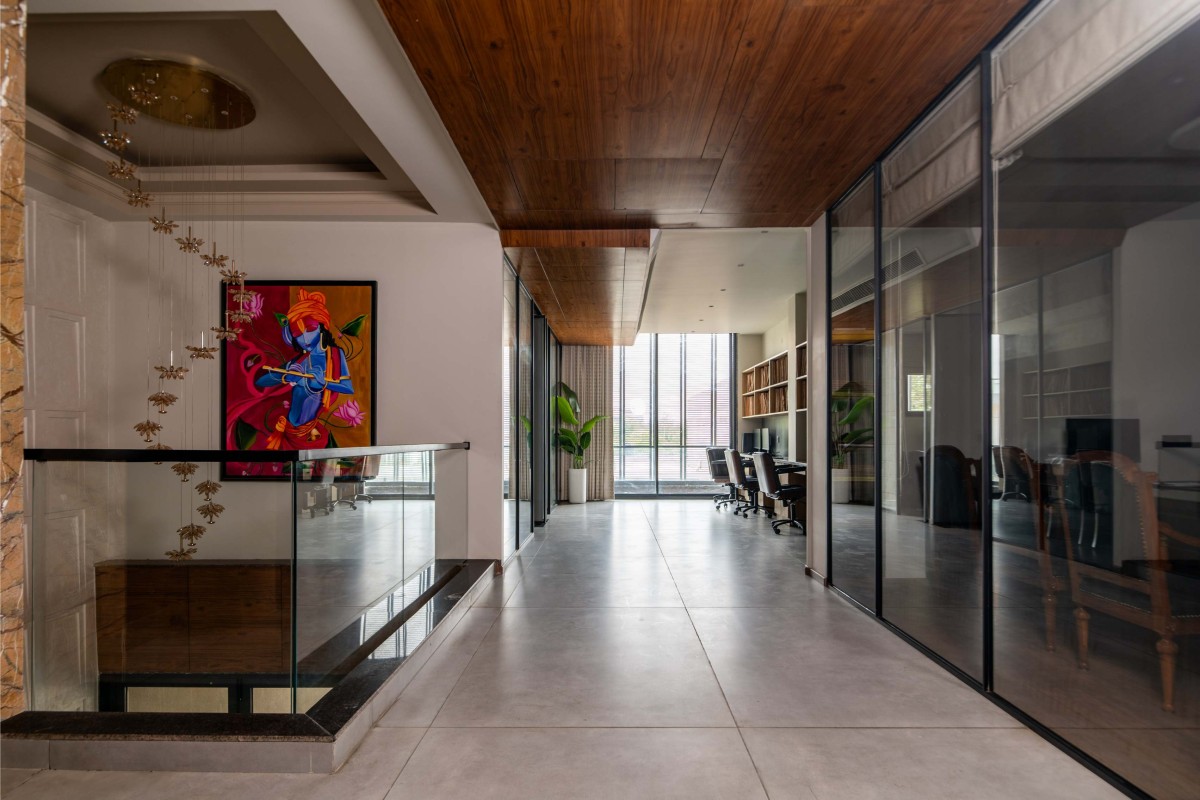
Upper Ground Lobby of Vinyasa by BDAA Architects
Inside the building spaces are not defined by walls alone. Work areas blend into collaborative zones. Breakout spaces emerge naturally within circulation paths. Corners terraces and informal seating areas act as extensions of activity. The plan reads like a continuous narrative where each level contributes to the overall experience rather than functioning in isolation. Movement and pause are carefully balanced creating a rhythm that supports both focus and interaction.
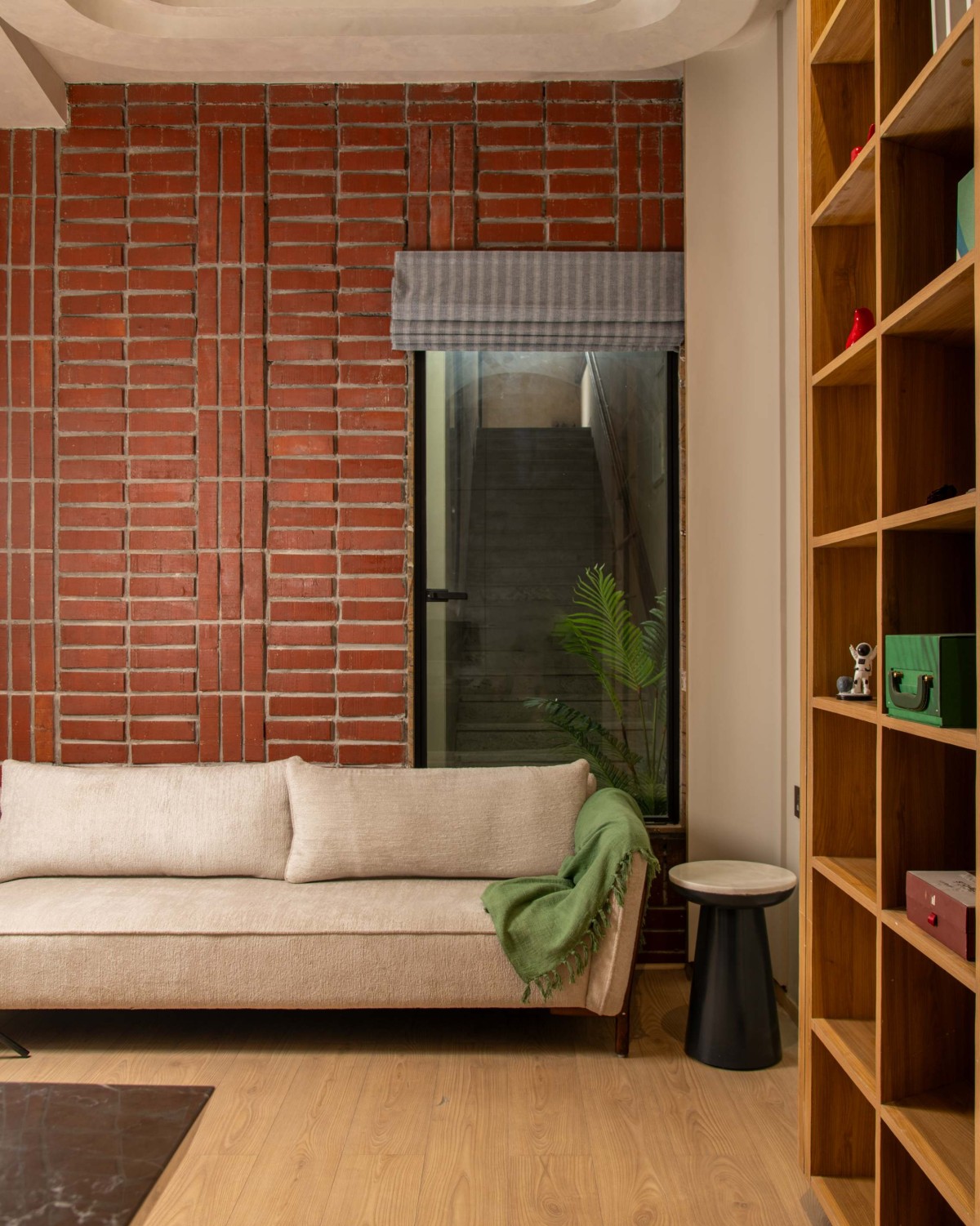
Materiality supports this idea of flow. The palette is simple yet layered. Stone provides a sense of grounding. Timber introduces warmth and familiarity. Fibre cement adds precision and control. Exposed brick and textured finishes bring depth and tactility. The materials are not treated as polished or static surfaces. They are allowed to age and develop character over time. This creates a sense of memory within the space making the building feel more lived in as it evolves.
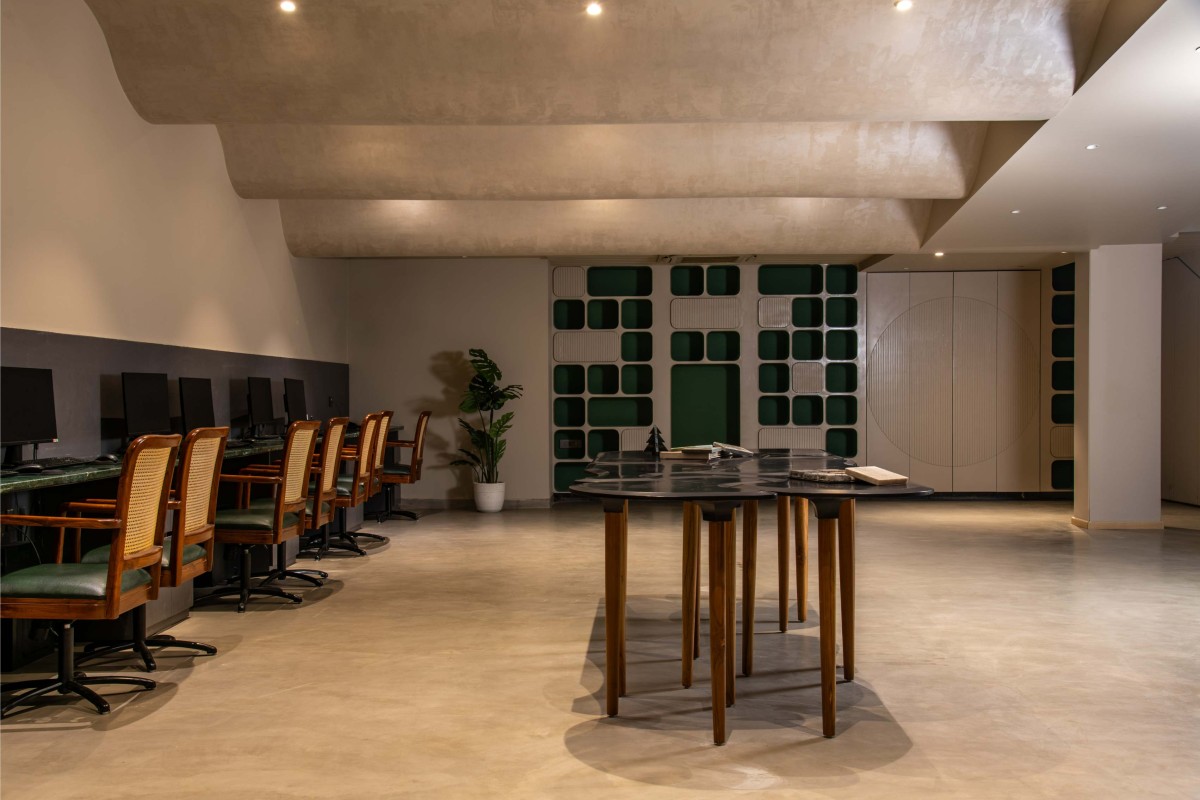
Workstation of Vinyasa by BDAA Architects
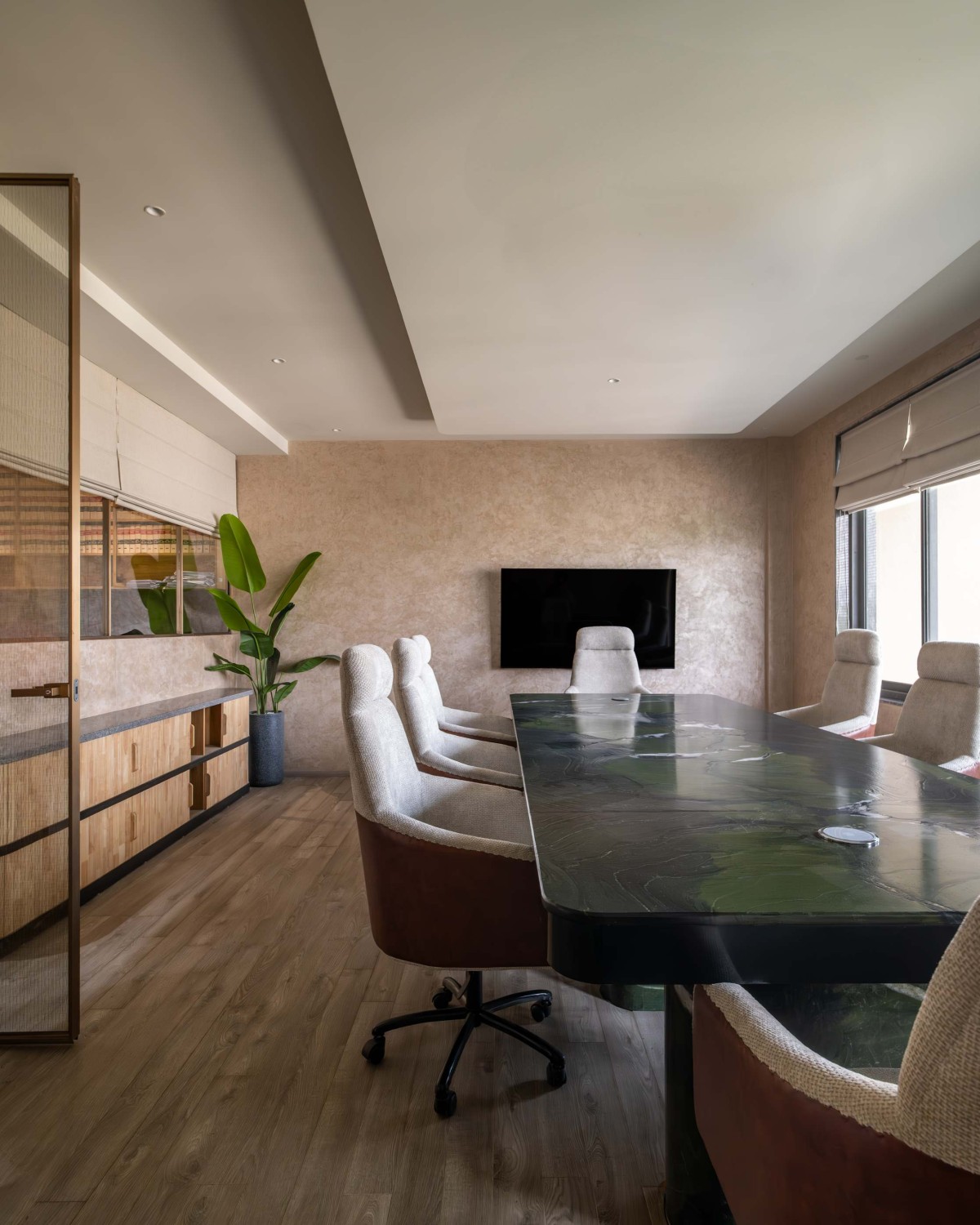
Conference Room of Vinyasa by BDAA Architects
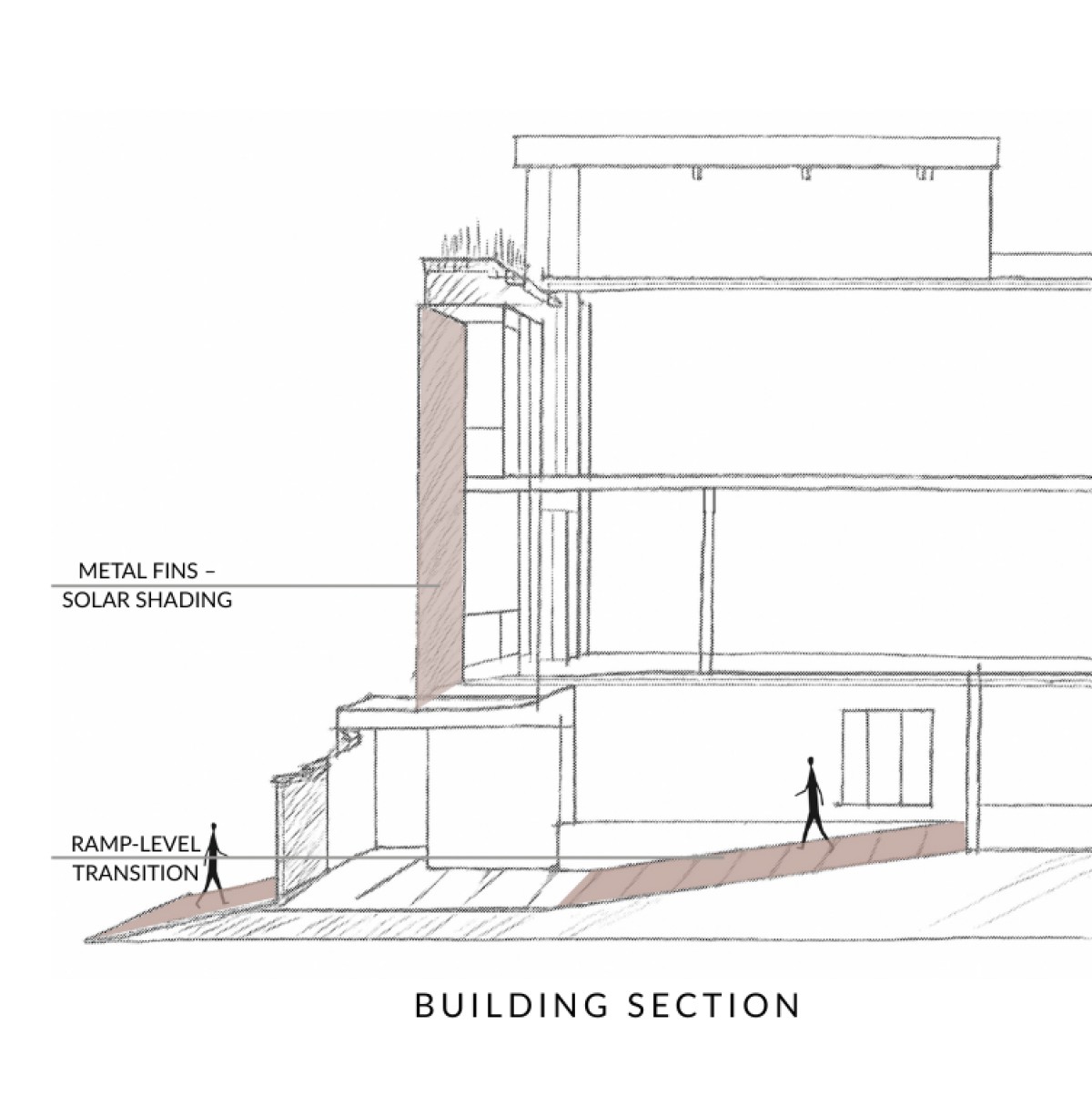
Sustainability is integrated into the design rather than added later. Passive strategies play a key role. Shading devices recessed openings and ventilated facades reduce heat gain and improve comfort. Natural light is used effectively reducing the need for artificial lighting during the day. Solar panels and VRV systems improve energy performance. Rainwater harvesting supports responsible water management. Material reuse is also part of the approach. Marble and plywood waste are repurposed into terrazzo surfaces basins and furniture. Efficiency here is both environmental and experiential.
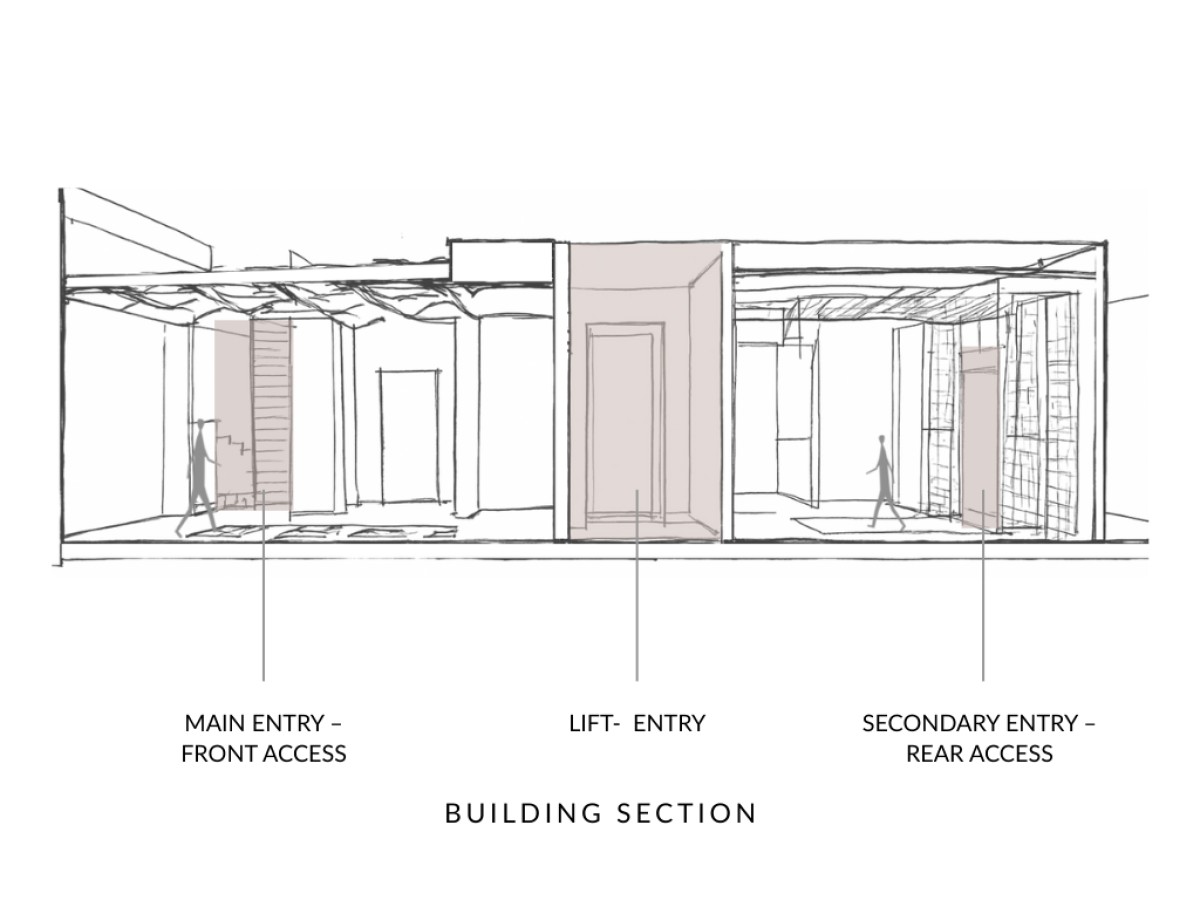
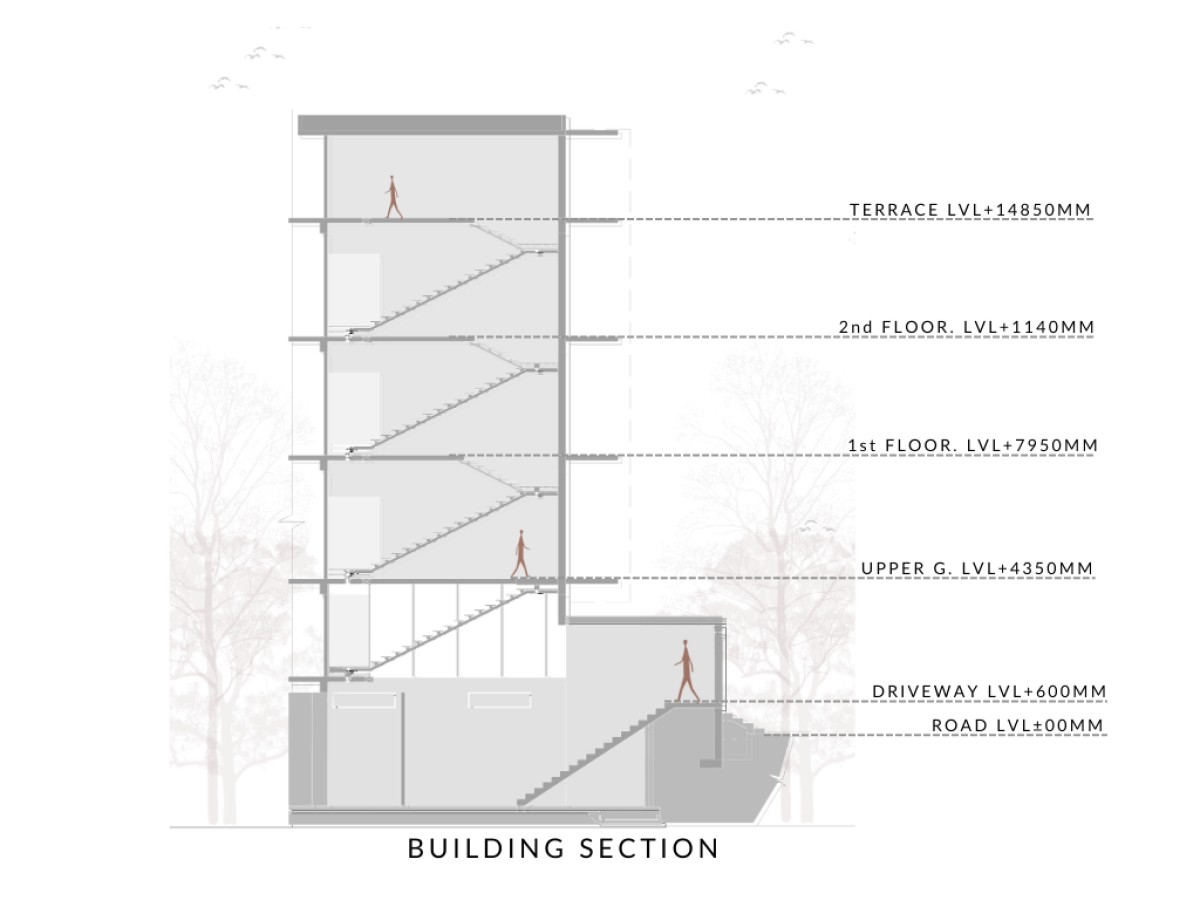
Functionally the building is clear and intuitive. Multiple entry points allow flexible access from front rear and vertical circulation cores. Movement is direct and easy to understand. Ramps and level transitions make the space inclusive. Circulation paths are defined but never restrictive. Spaces can adapt to different needs from focused work to informal meetings and larger gatherings. Even setbacks are used efficiently as parking during peak hours. The building responds to present requirements while remaining open to change over time.
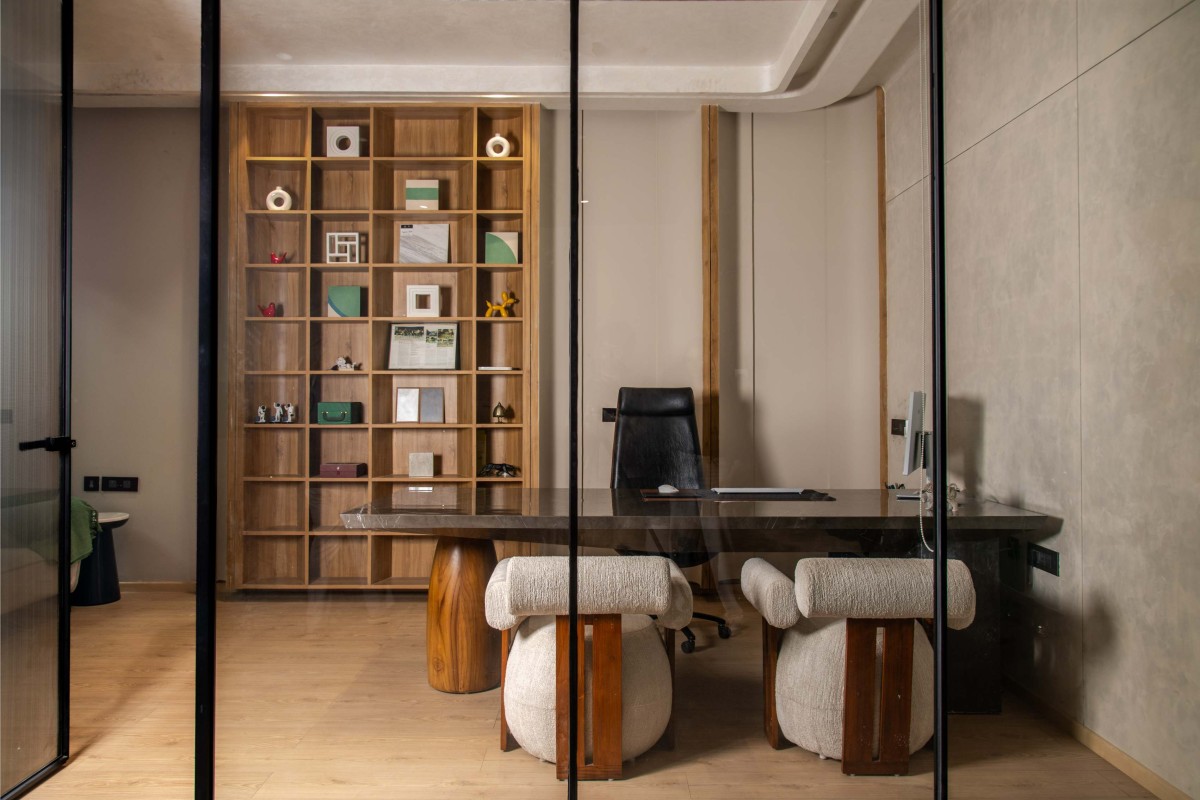
Principal Architect's Cabin of Vinyasa by BDAA Architects
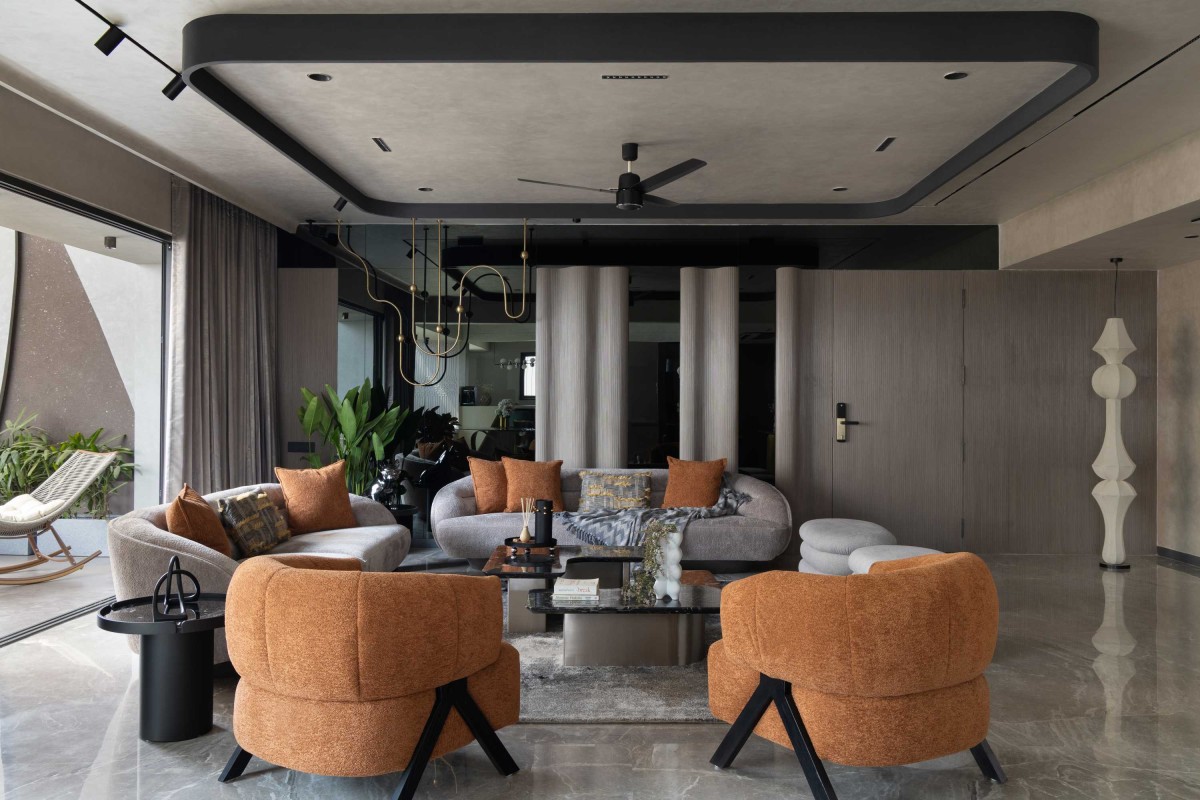
What makes Vinyasa distinct is the quality of experience it offers. Movement through the building is layered with moments of pause. Views are framed carefully creating visual connections between spaces. Volumes shift in scale allowing compression and expansion as one moves through the building. Smaller niches create intimate areas within larger open spaces. Light interacts with surfaces throughout the day revealing textures and depth. Green elements soften the built environment and introduce a sense of calm within a working setting.
Attention is also given to spaces that are often overlooked. Under the stilt ramp a curved ceiling transforms a purely functional zone into an expressive architectural element. It reflects the central idea of flow in a subtle and continuous manner. Such gestures show a careful approach where even secondary spaces are treated with equal importance.
Principal Architect's Cabin of Vinyasa by BDAA Architects
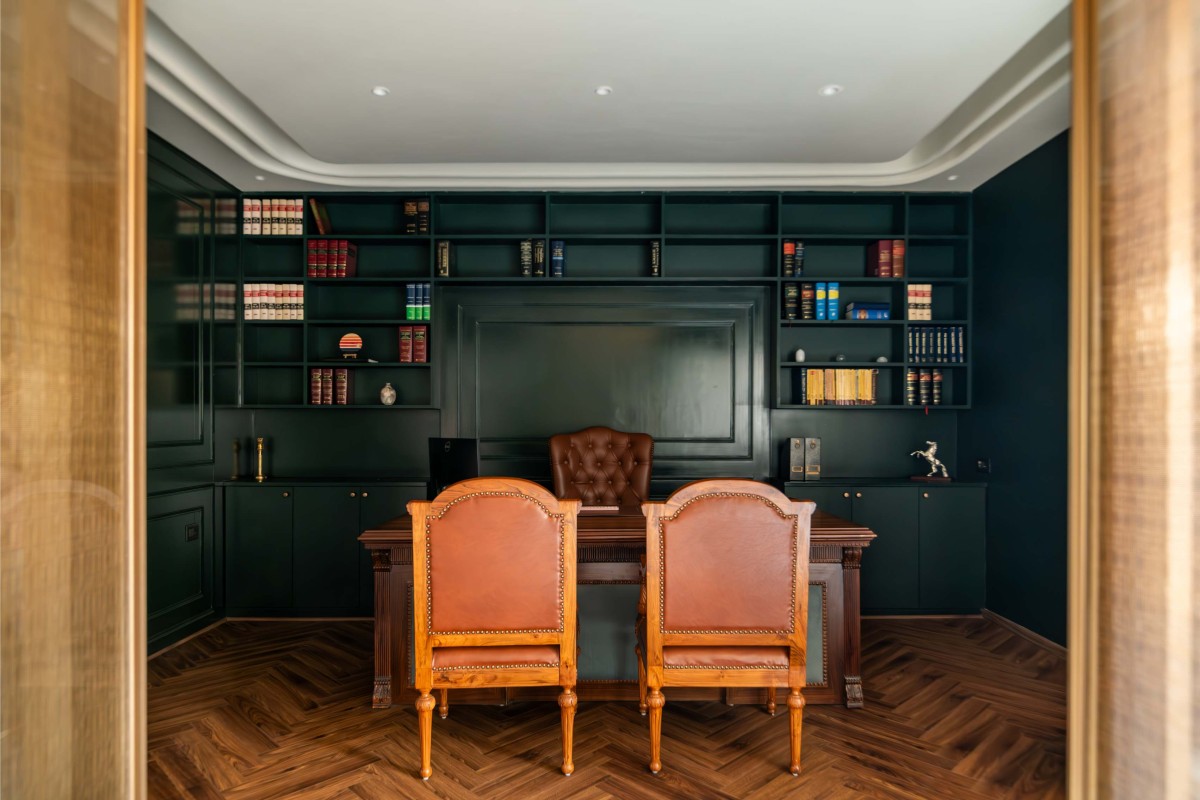
Second Floor Cabin of Vinyasa by BDAA Architects
The project extends beyond its physical boundaries. It creates connections between people space and environment. Flexible layouts support interaction and encourage a sense of community. The design does not impose a fixed way of use but allows users to shape the space over time. Architecture here becomes a framework that supports everyday life rather than controlling it.
Vinyasa is not a static building. It is a continuous experience. A flow of light movement and material. It demonstrates how architecture can move beyond function and become more responsive and human. It shapes not only how people move through space but how they feel within it.
Building Section A of Vinyasa by BDAA Architects
Setion B of Vinyasa by BDAA Architects
Section C of Vinyasa by BDAA Architects