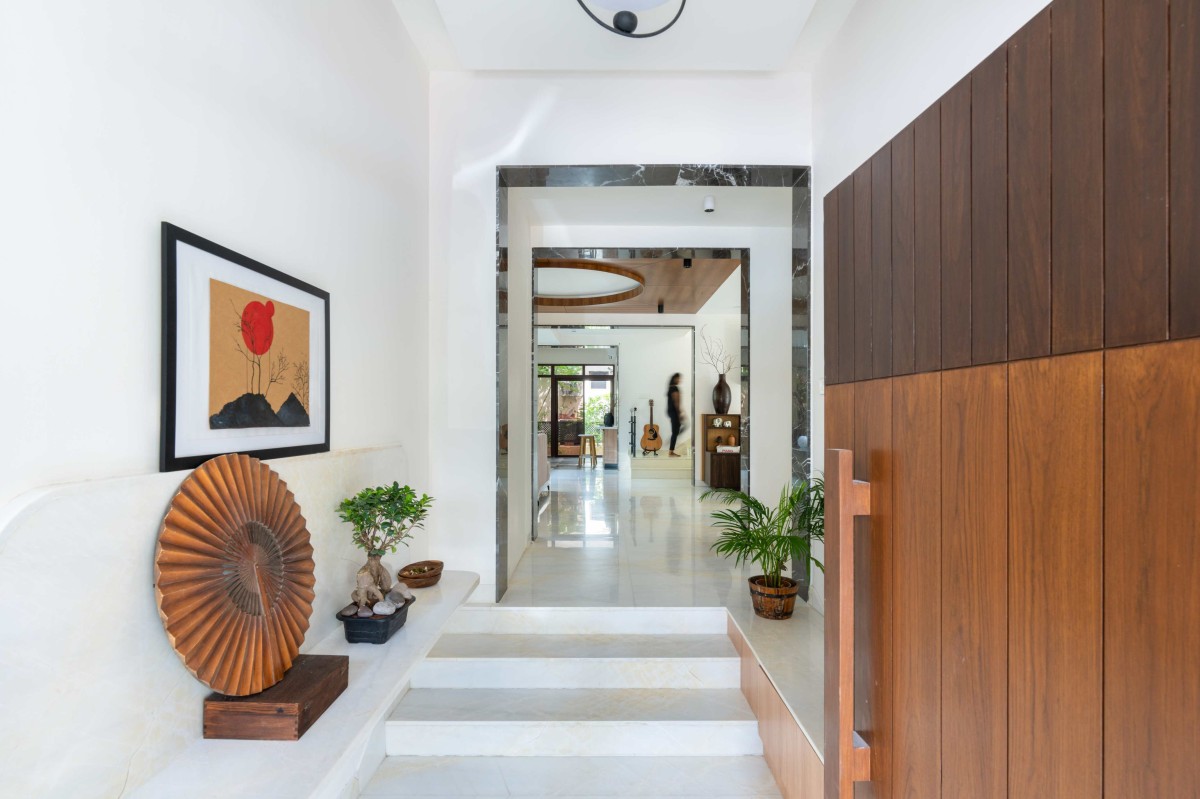
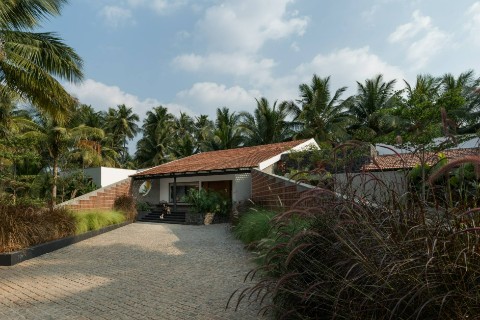
Entry Foyer of Wabi Sabi Villa by Studio ZO
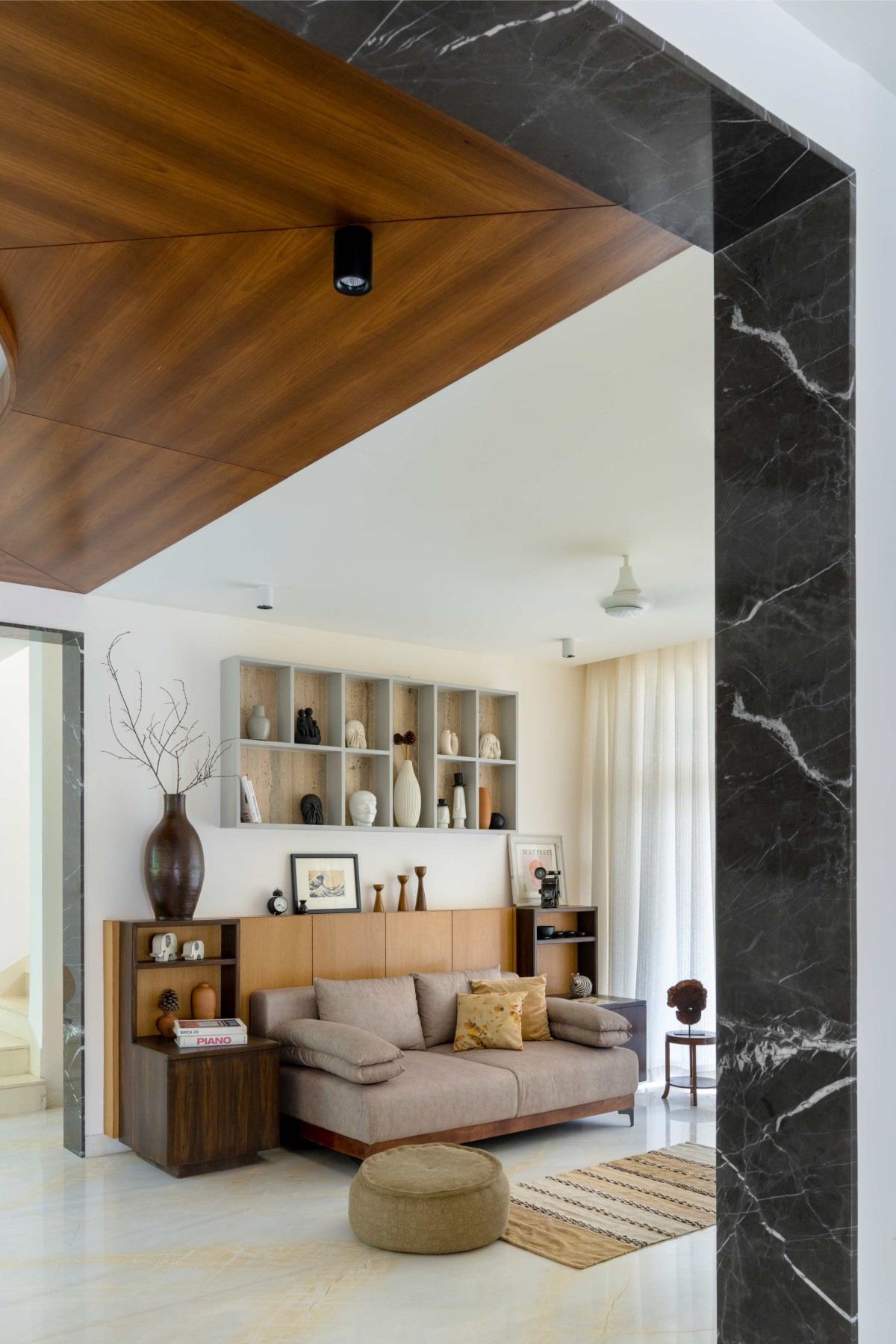
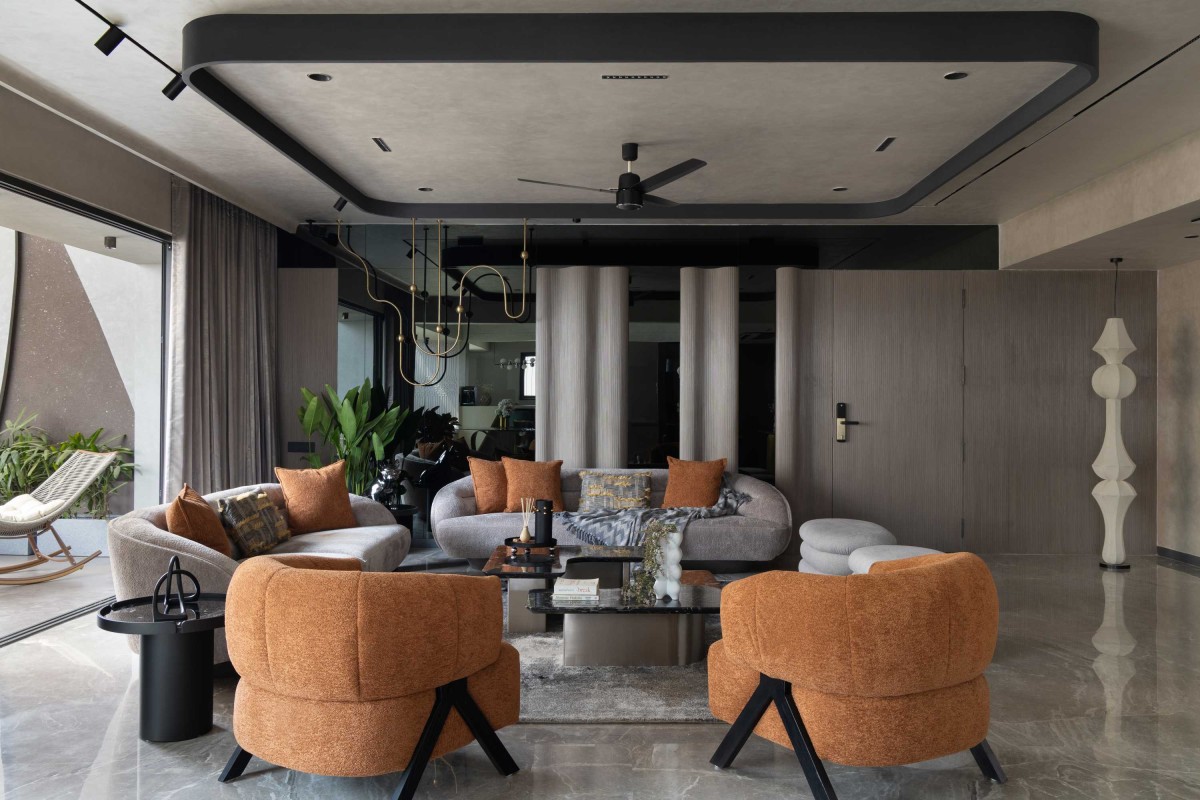
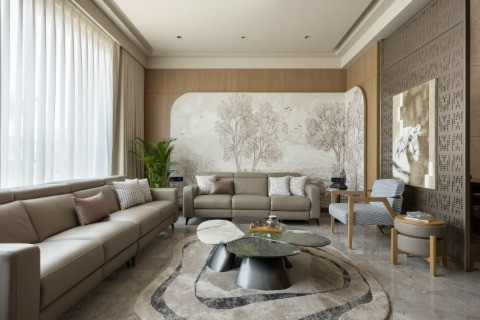
Formal living of Wabi Sabi Villa by Studio ZO
Formal living of Wabi Sabi Villa by Studio ZO
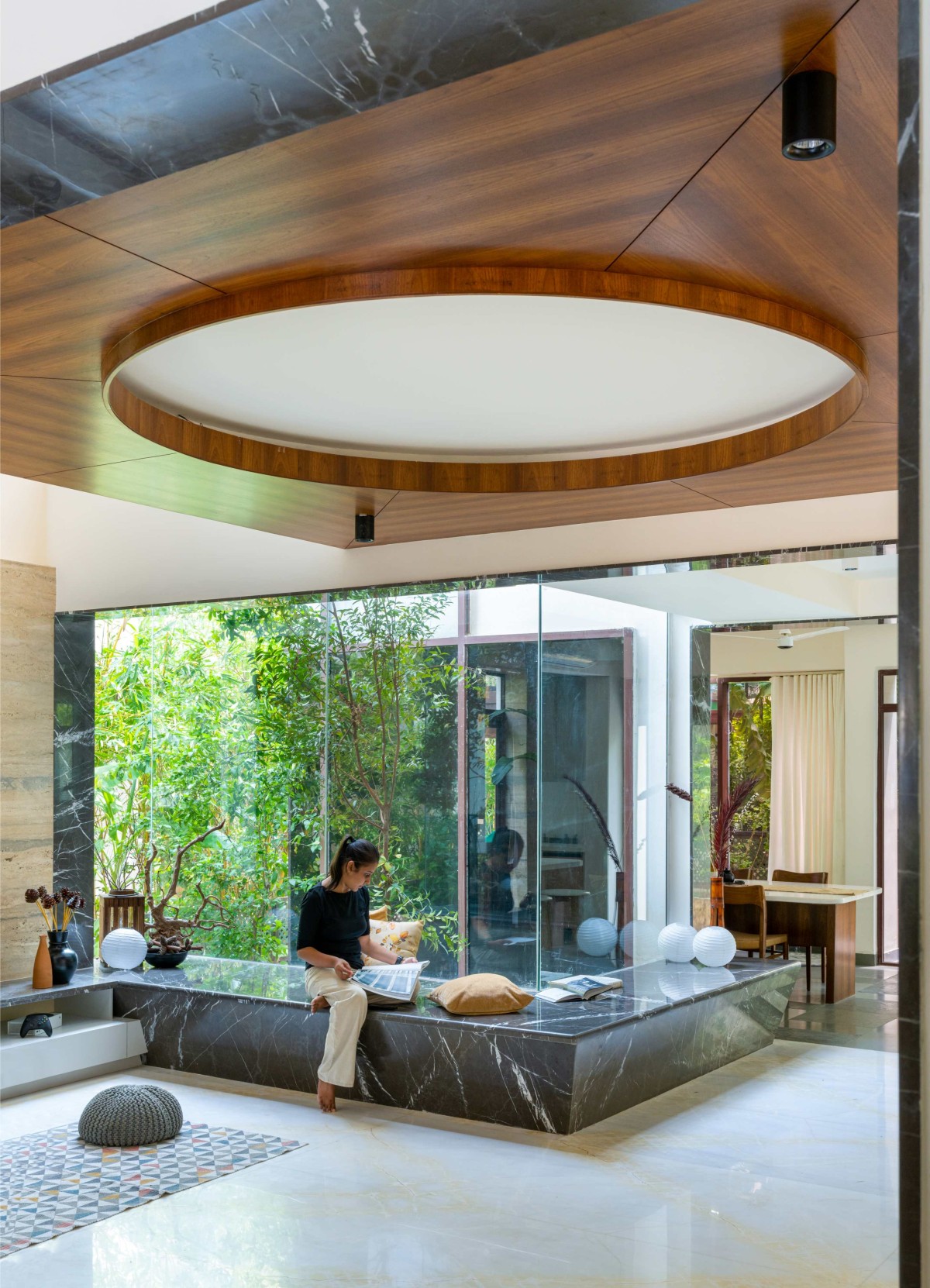
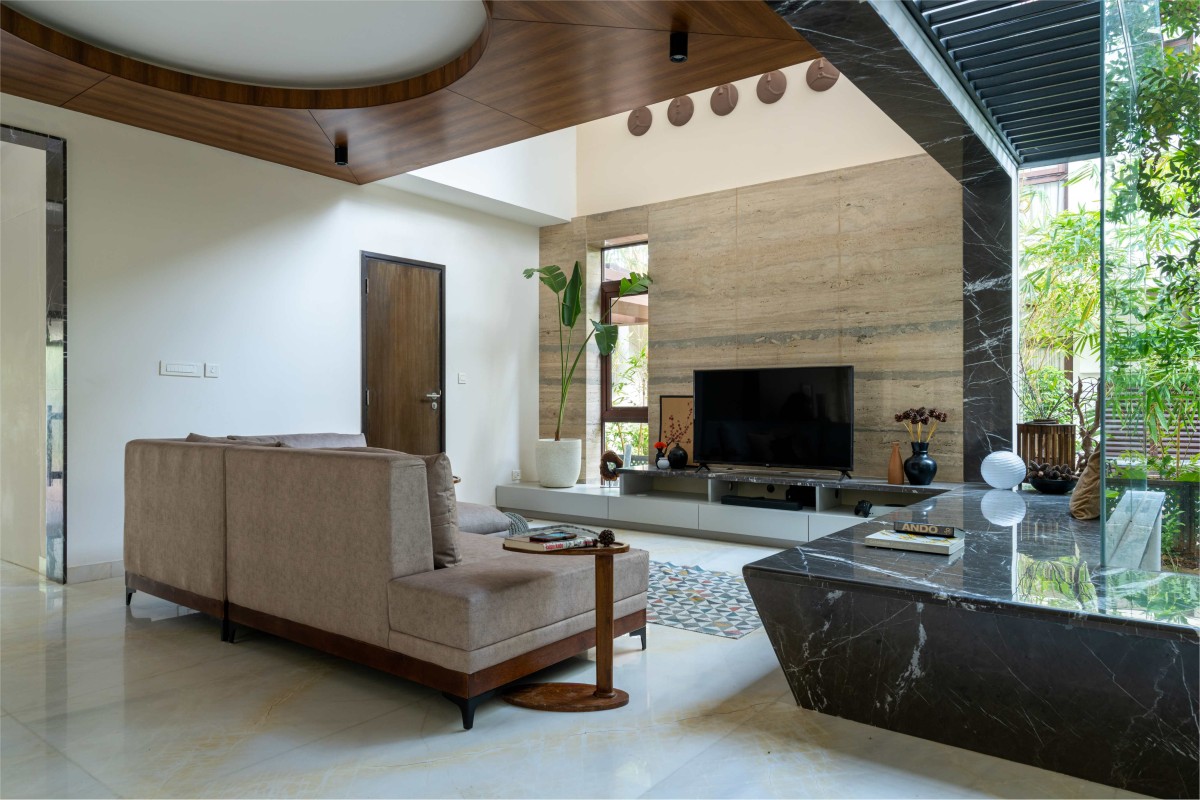
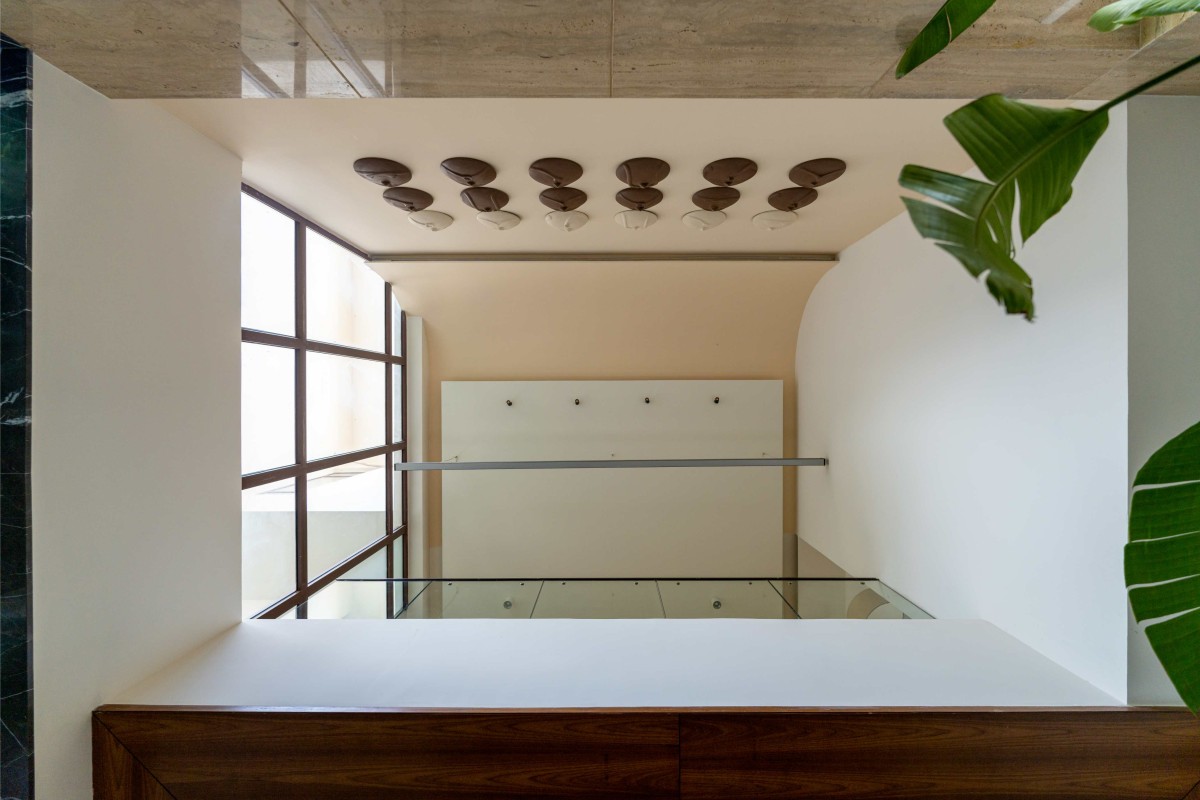
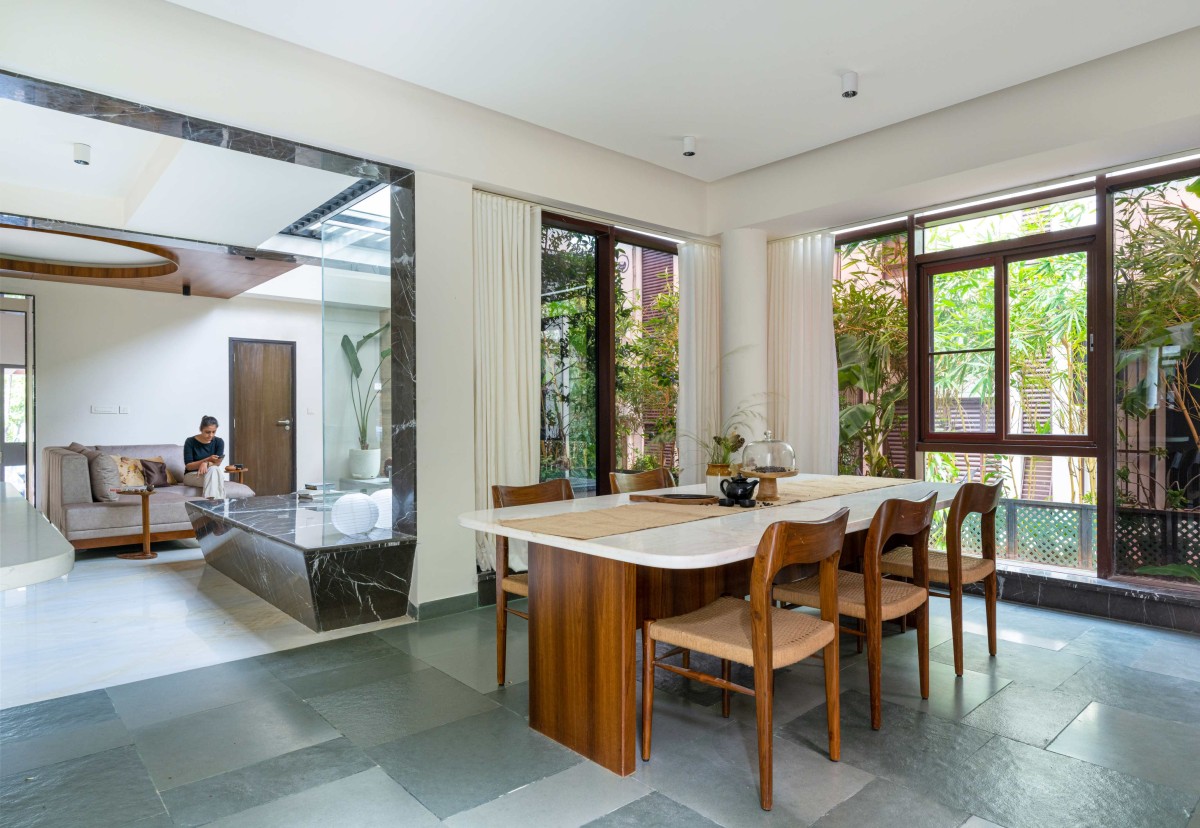
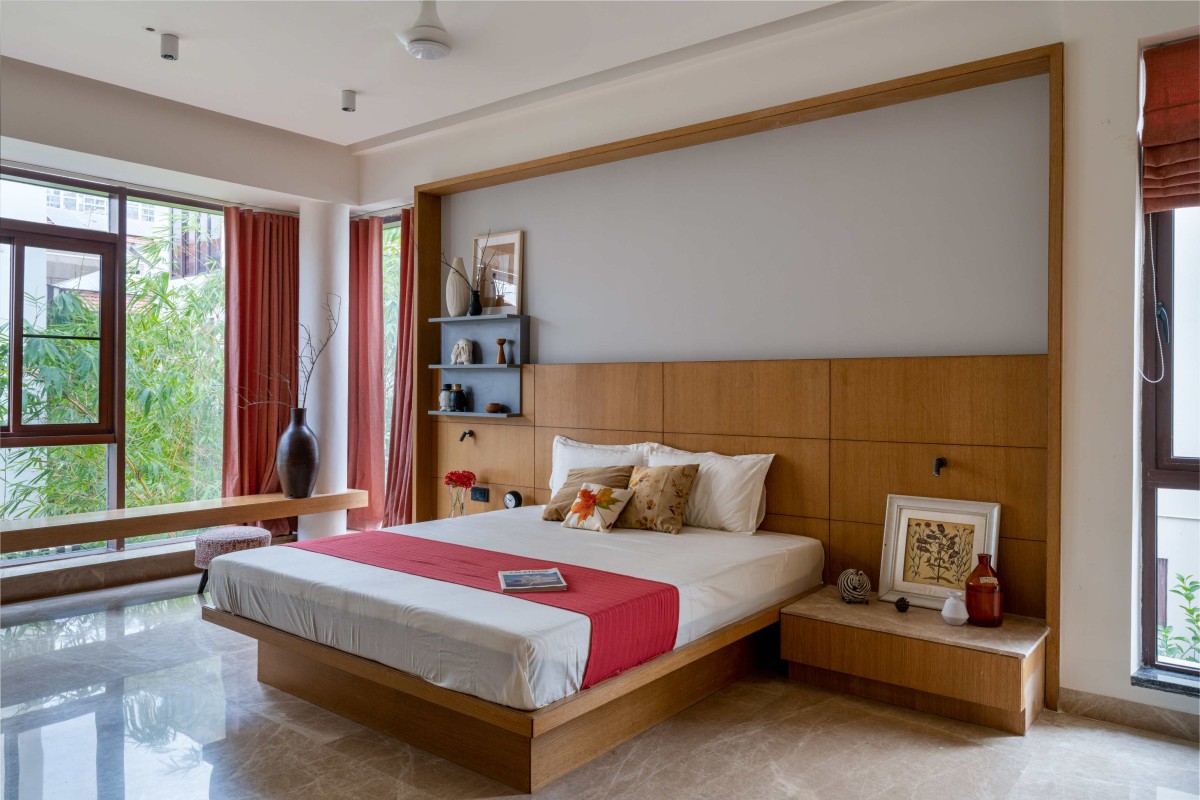
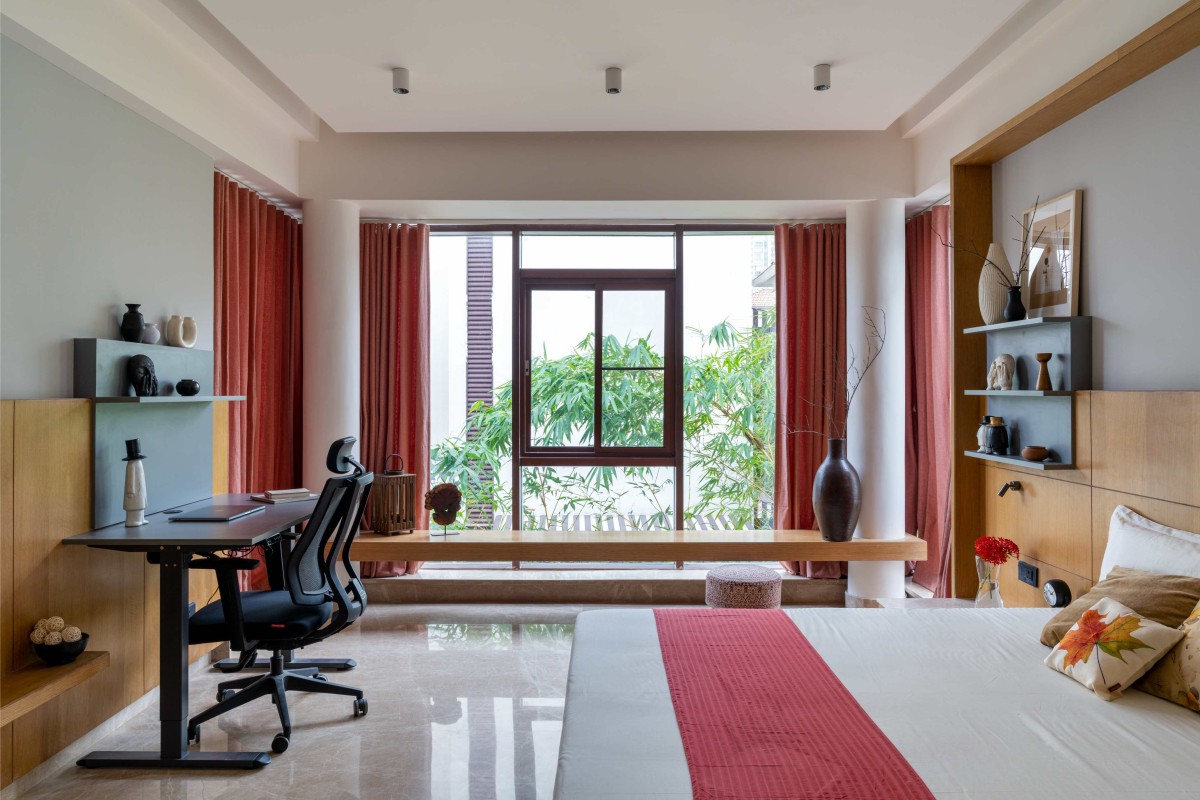
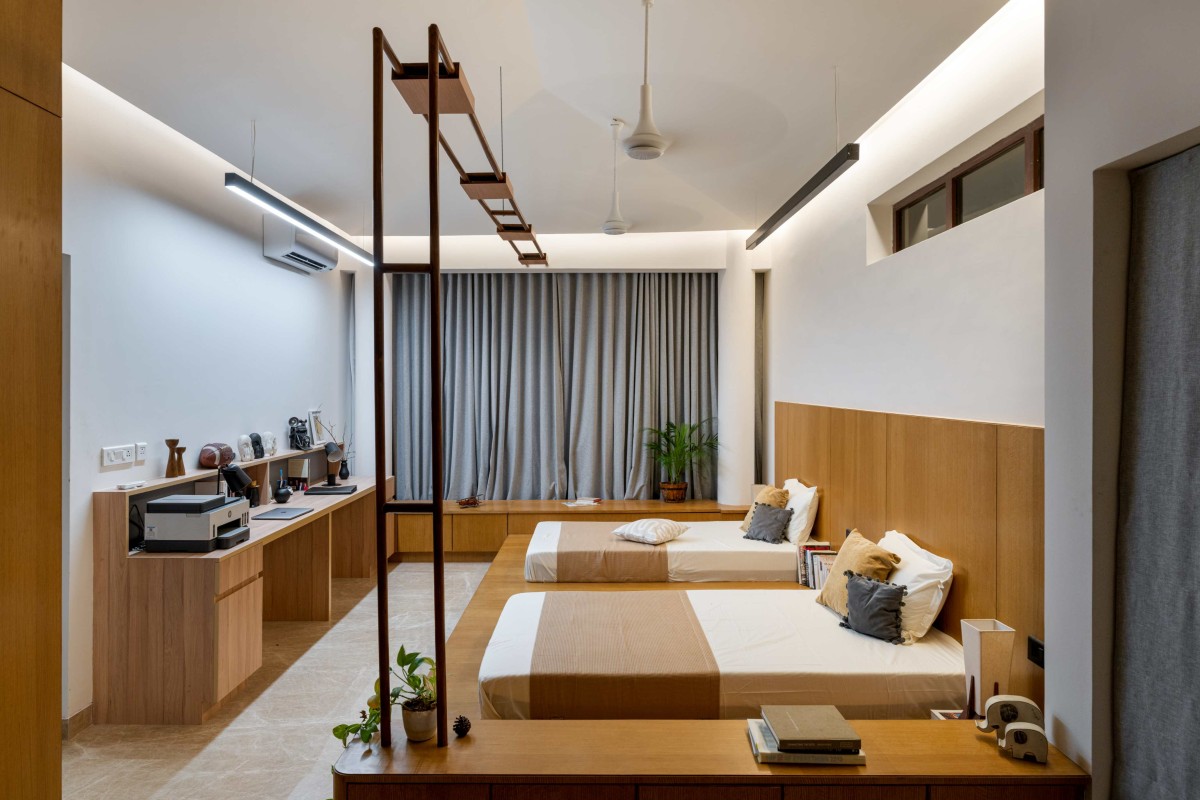
Window Nooks (The Alcove) - At the heart of the house, a U-shaped projection connects the dining, living, and TV areas. Previously enclosed by frosted windows that lacked any character, this space was transformed by replacing the panes with clear glass, inviting garden views inside. A striking black marble seater and sheet glass pergolas overhead further enhance the sense of openness. This design intervention revitalized the home's core, turning it into a dynamic, mufti-functional space. The same approach extends to the panoramic bedroom windows, where simple veneer benches transform them into cozy nooks—showcasing how static architectural elements can become immersive experiences.
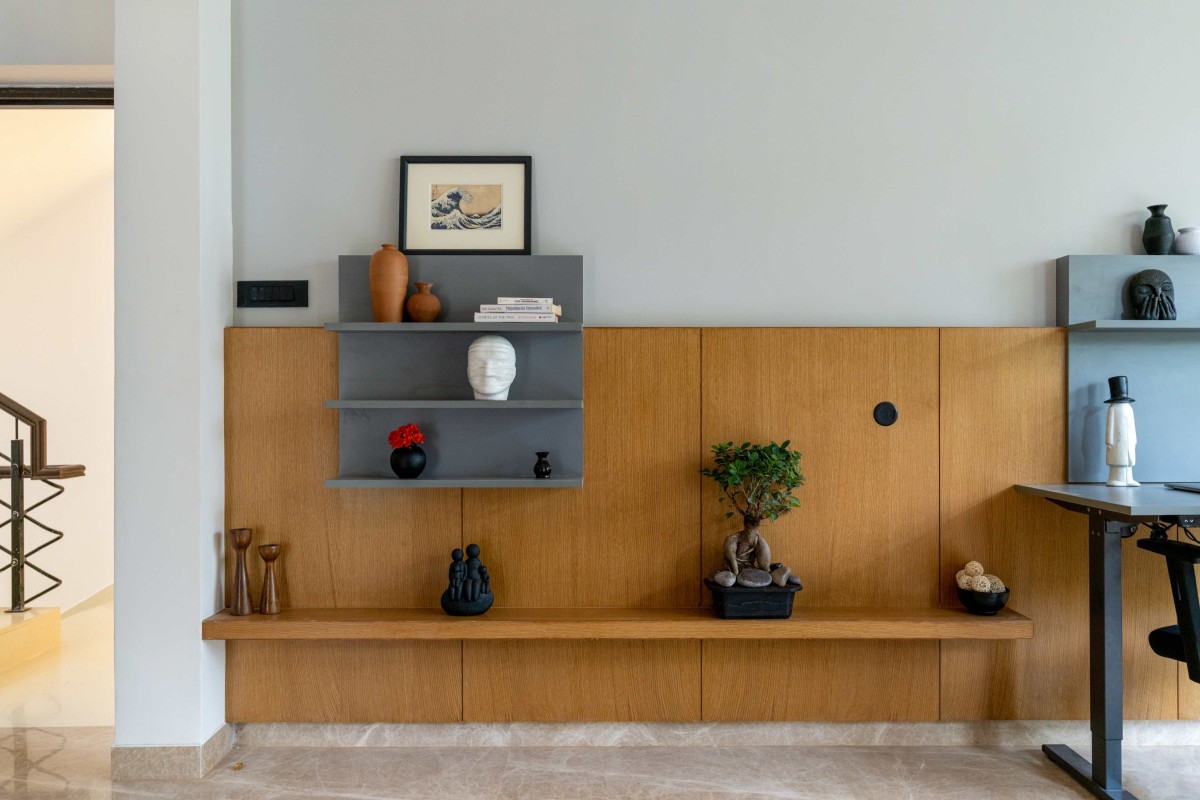
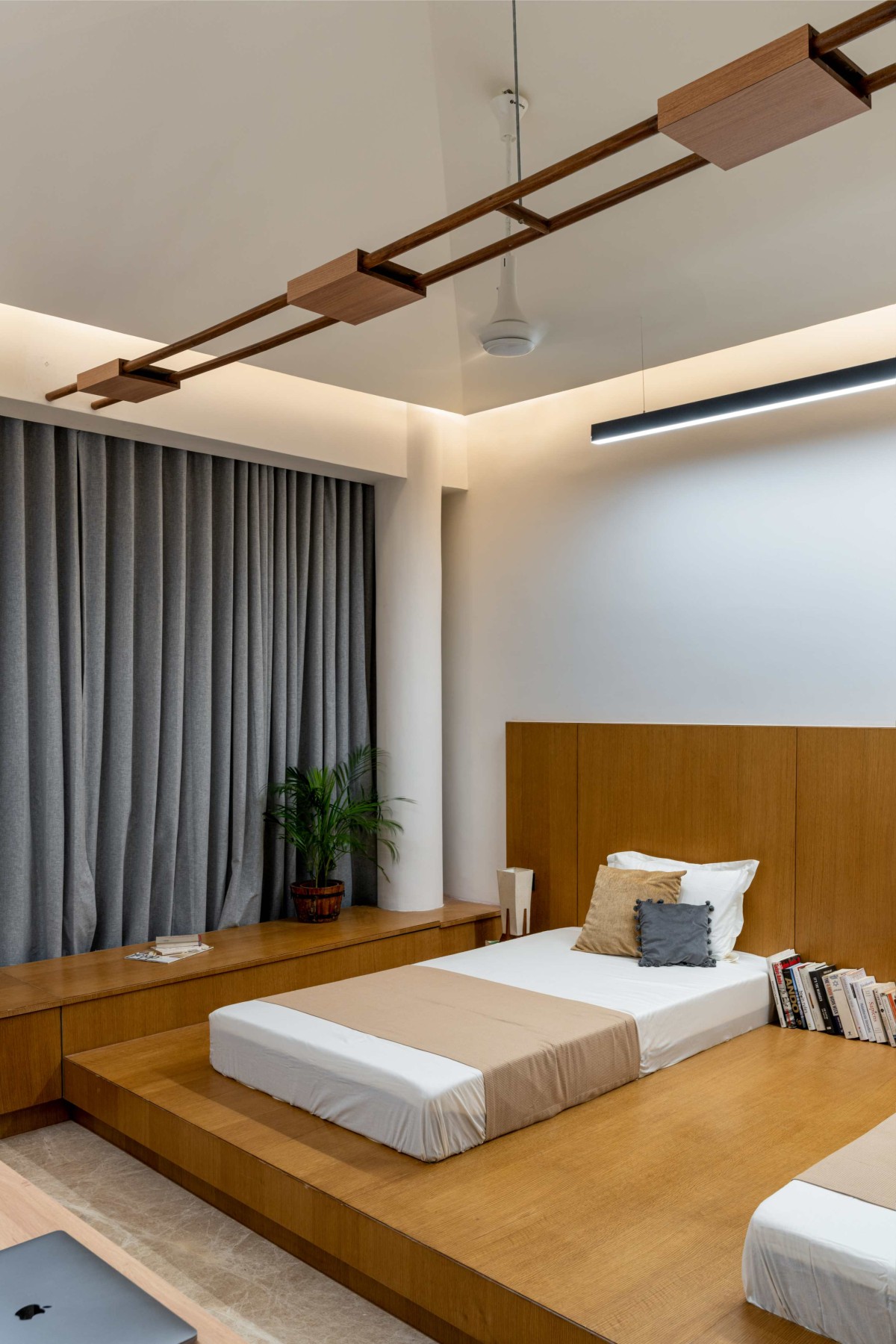
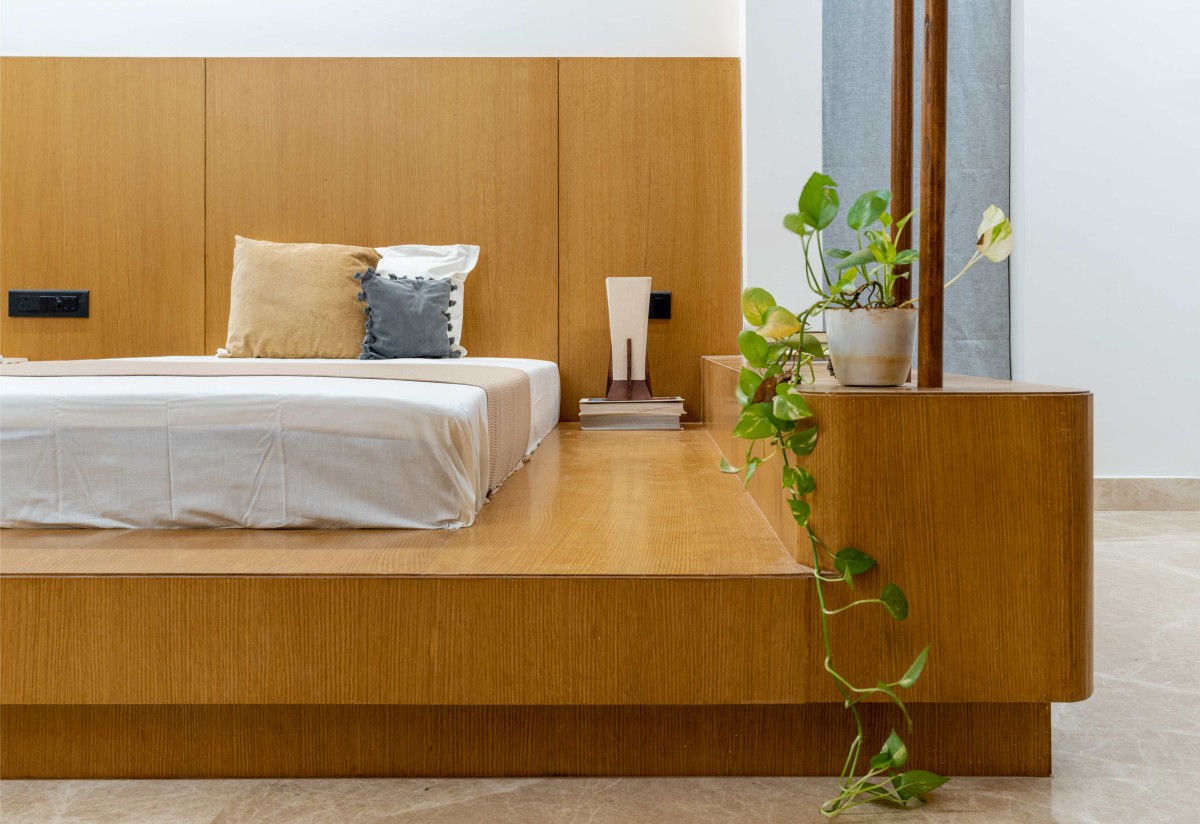
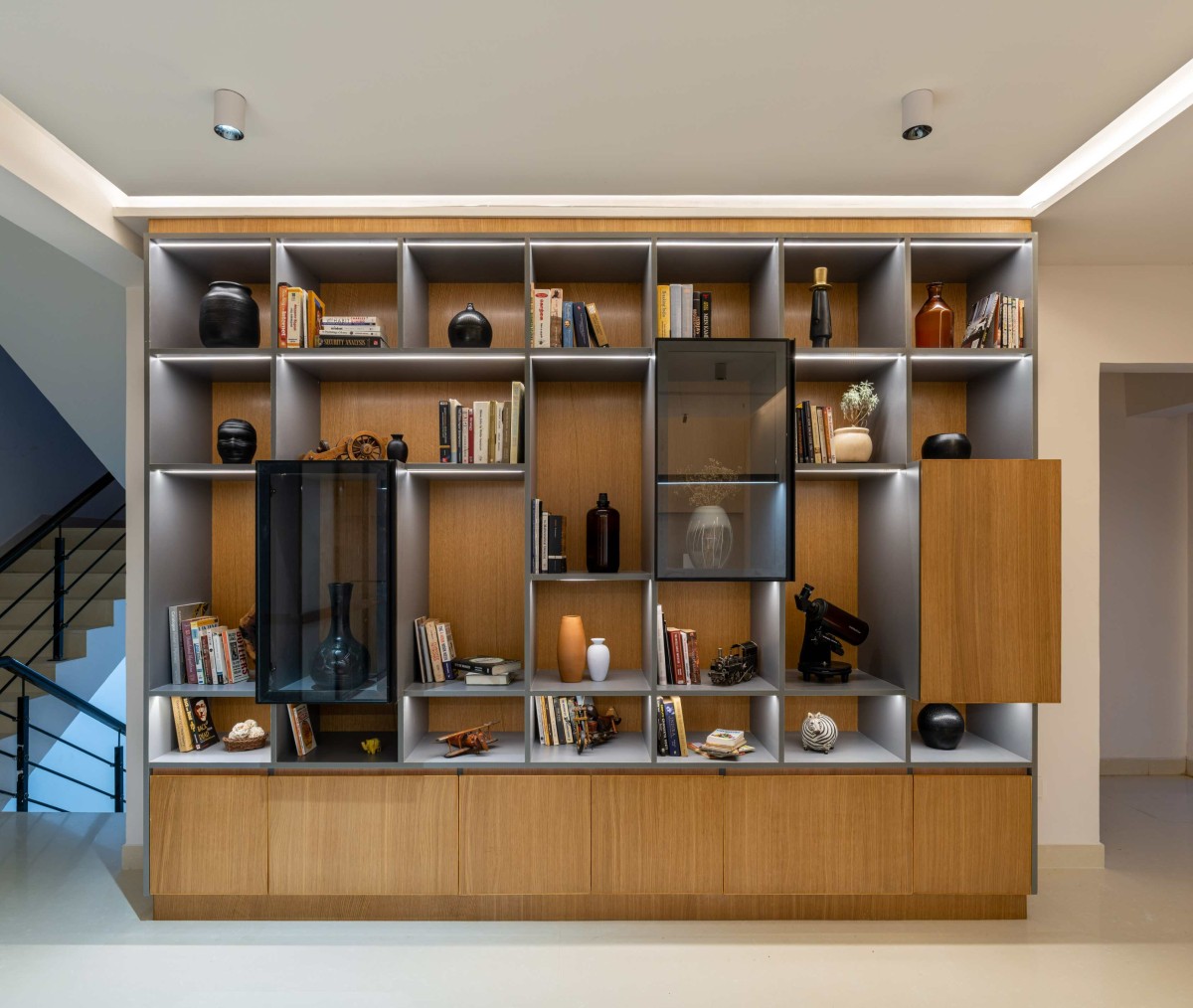
Built-In Furniture - Maximizing space efficiency, built-in furniture is prioritized wherever possible. The cabinetry and furnishings, though minimal, exude casual elegance—like a carefully placed boulder in a Zen Garden. Thoughtful designs, such as wrap-around cabinetry in the living room, pigeonhole shelving for curios ensure functionality and aesthetic coherence. The marble seater was designed to have the gravitational presence of a monolith. Other notable elements include a bull-nosed breakfast counter, Japanese-style platform beds with integrated nightstands, and storage-enhanced window nooks—each reflecting meticulous spatial planning.
Formal living of Wabi Sabi Villa by Studio ZO
Informal living of Wabi Sabi Villa by Studio ZO
Ceiling view of Wabi Sabi Villa by Studio ZO
Dining of Wabi Sabi Villa by Studio ZO
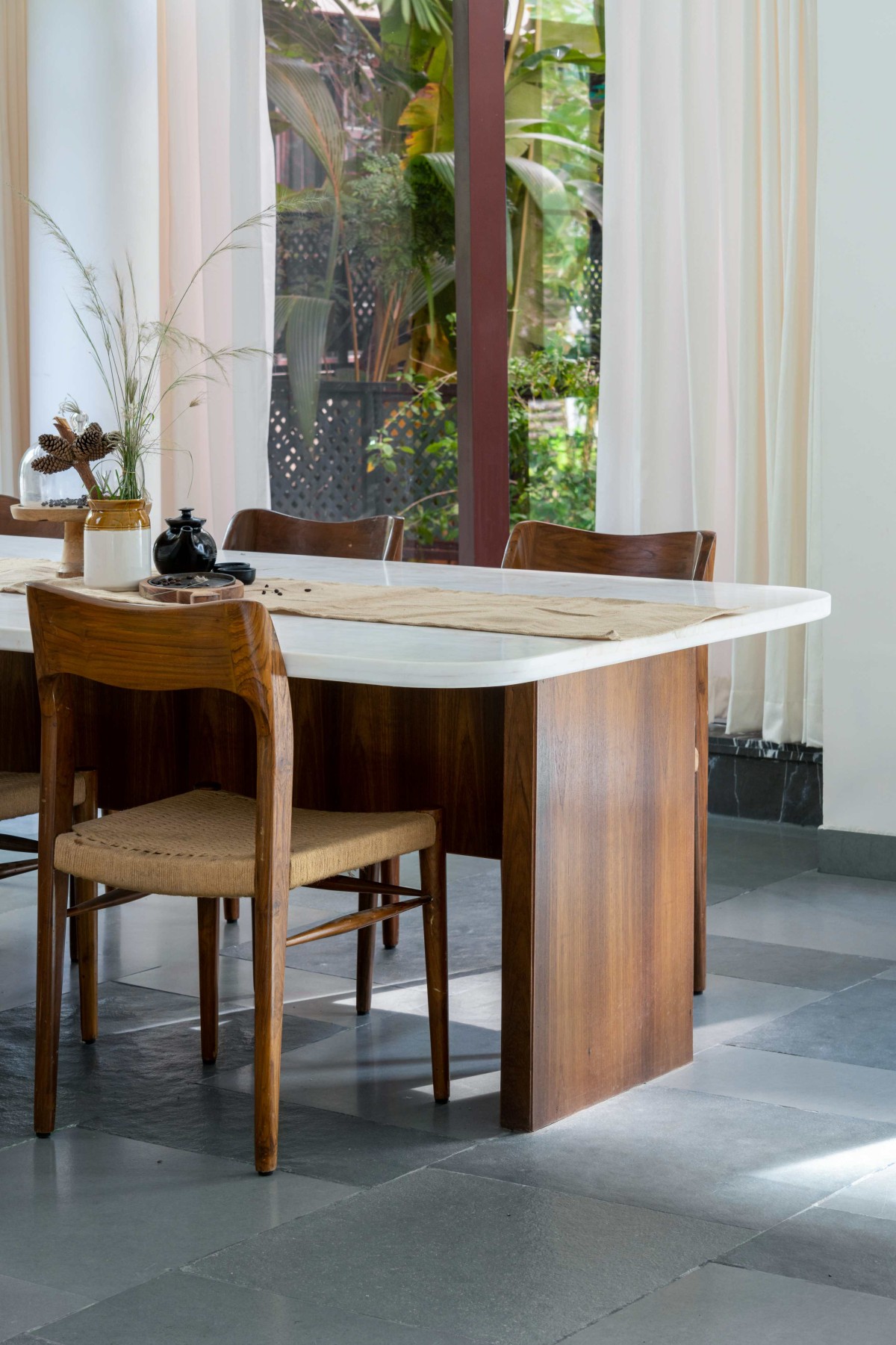
Dining of Wabi Sabi Villa by Studio ZO
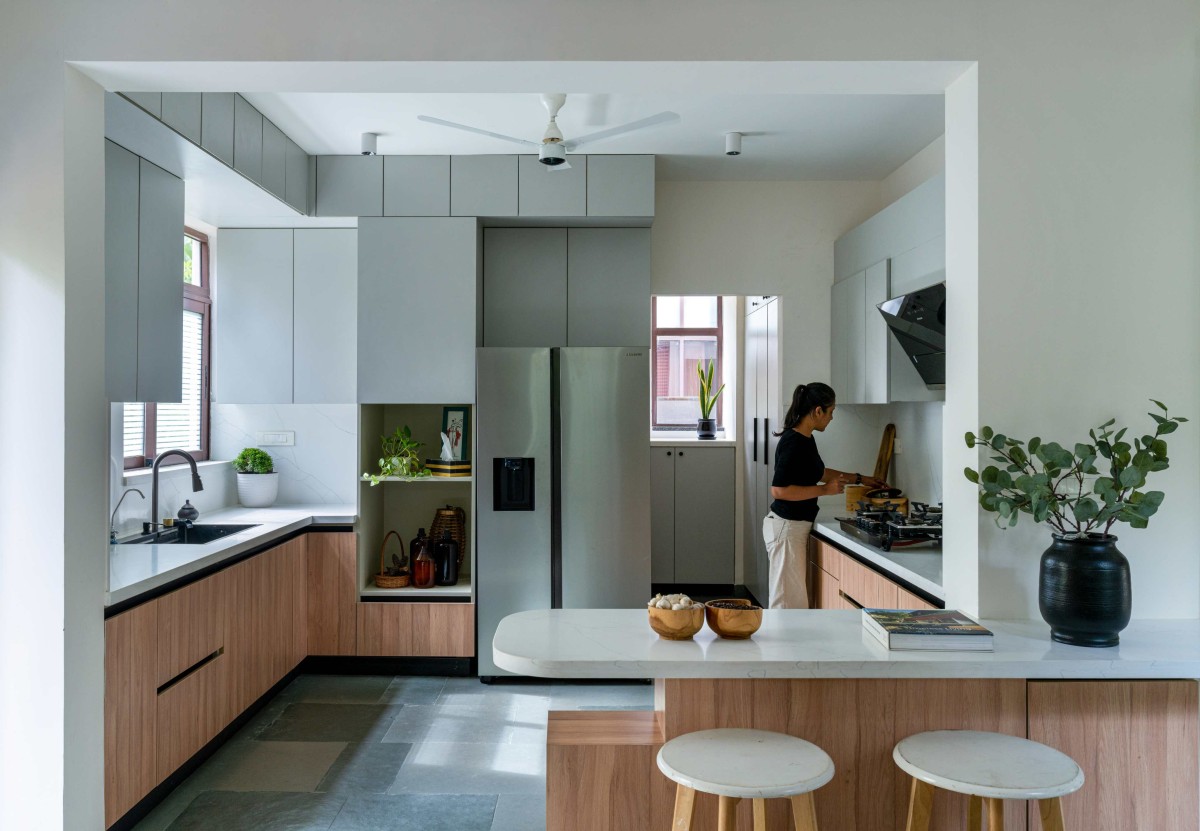
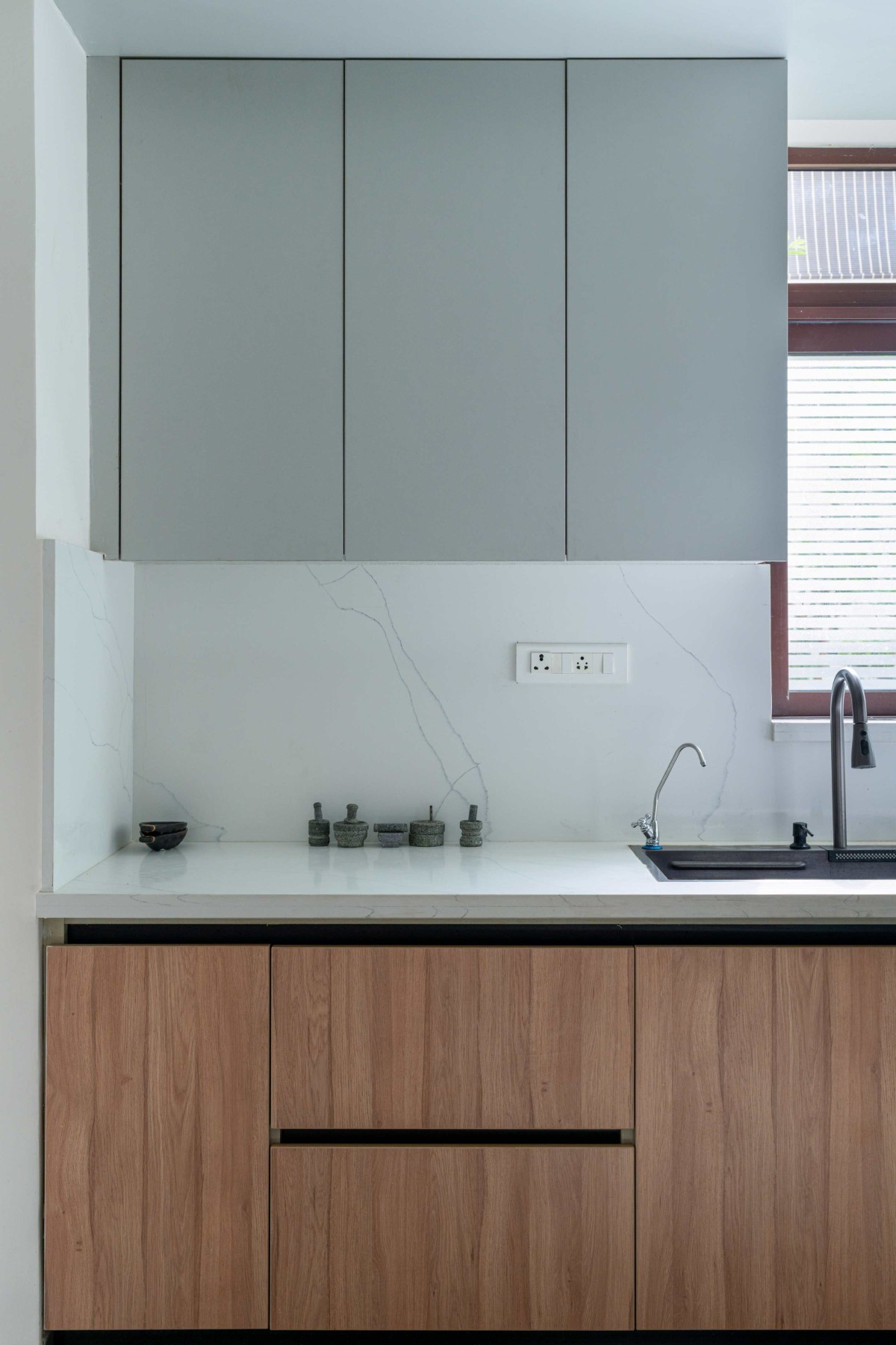
Kitchen of Wabi Sabi Villa by Studio ZO
True to Japandi aesthetics, the material and colour palette is natural, rustic, and dignified. The neutral base tones—ranging from alabaster to eggshell—act as a canvas, while three wood shades were chosen to (pine, walnut, and mahogany) add depth. Use of natural materials with all their imperfections gives an unpretentious effect and allows for their appreciation. Natural stone is extensively used, with cream-beige marble flooring in common areas contrasted with black marble-clad door jambs, creating a framing effect at each threshold. This allowed for a pause, to take it slow, to observe and appreciate the space on the other side. The kitchen floor was designed for tactile interest, combining two finishes of slate grey granite. Muted Grey and pine cabinetry keeps the focus on the white quartz counter tops.
This villa is a testament to Japandi aesthetics which celebrate simplicity, functionality, and a deep connection to nature. Every design choice works in harmony to create a home that is both understated and inviting. The result is a space that reflects the client’s refined sensibilities, enhances everyday living through comfort, balance, and timeless elegance.
Kitchen of Wabi Sabi Villa by Studio ZO
Master Bedroom of Wabi Sabi Villa by Studio ZO
Master Bedroom of Wabi Sabi Villa by Studio ZO
TV Unit of Wabi Sabi Villa by Studio ZO
Kids Bedroom of Wabi Sabi Villa by Studio ZO
Kids Bedroom of Wabi Sabi Villa by Studio ZO
Kids Bed Platform of Wabi Sabi Villa by Studio ZO
Library of Wabi Sabi Villa by Studio ZO
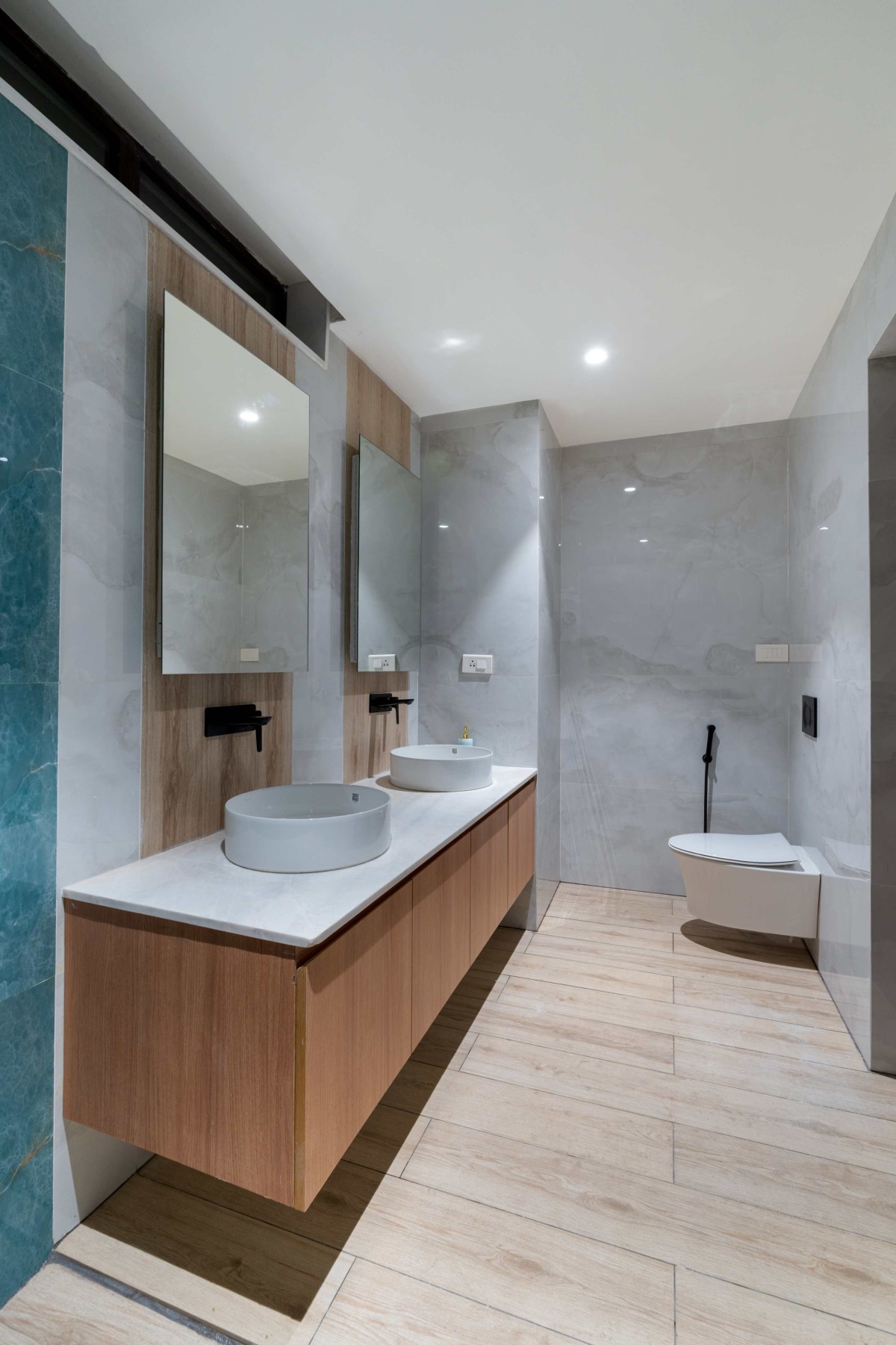
Restroom of Wabi Sabi Villa by Studio ZO
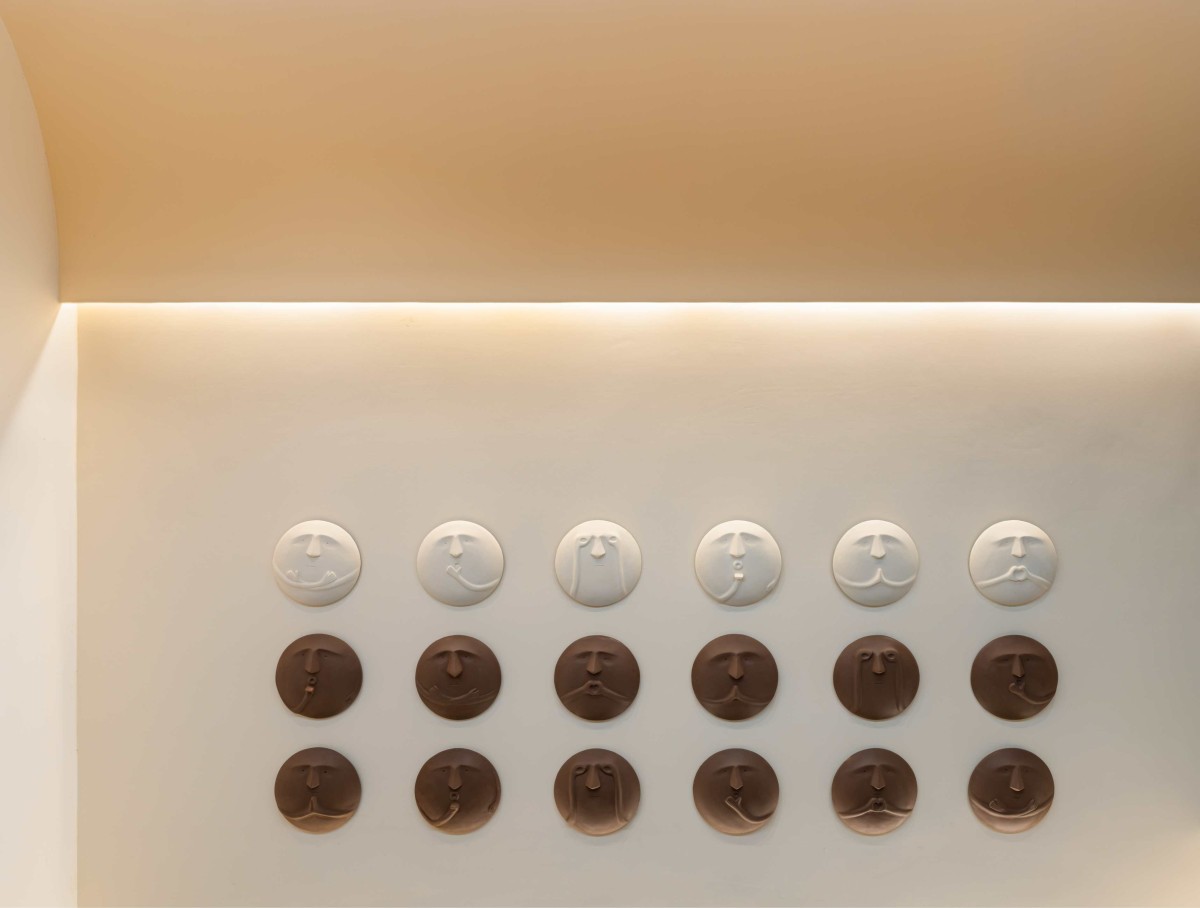
Wall art of Wabi Sabi Villa by Studio ZO