We’re delighted to speak with "Ismail Solehudin", an Indonesian architect and founder of Ismail Solehudin Architecture, based in Bandung, Indonesia. His work explores intuitive approaches to form, material, space, and atmosphere. His practice blends Indonesian vernacular traditions, spatial geometry, and spiritual or functional adaptations across residential, hospitality, and religious projects.
He believes architecture as a continuous journey of exploration and discovery, driven by a desire to challenge conventional thinking, question established norms, and uncover new possibilities through innovative design approaches.
We're excited to speak with him about his perspective on the field of architecture and his expectations from the participants of the
Micro Living 2026 Architecture Competition. For the purpose of this interview, he would be referred to as IS in responses, however, Volume Zero is referred to as VZ.
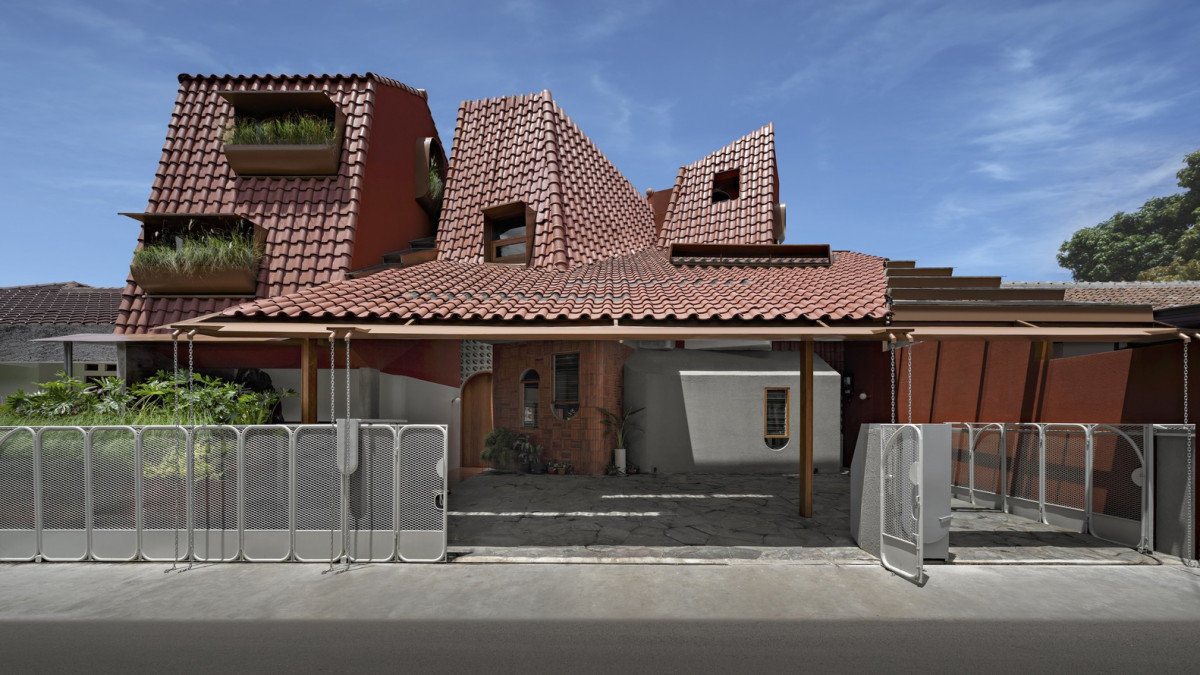
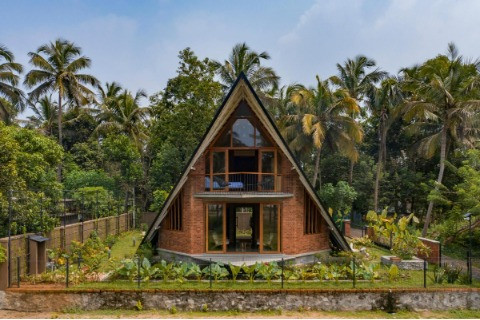
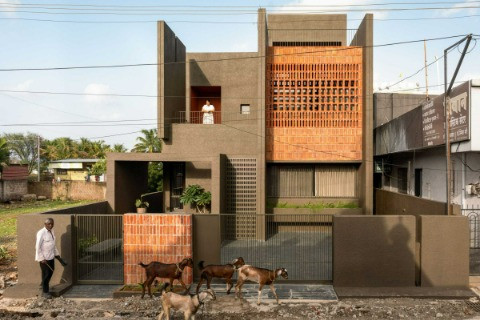
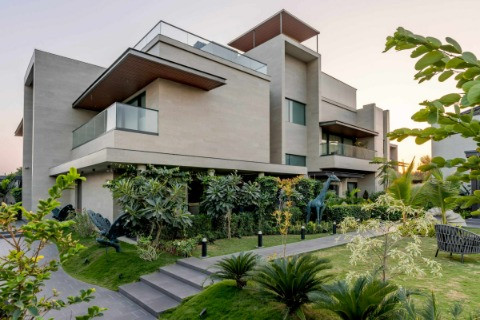
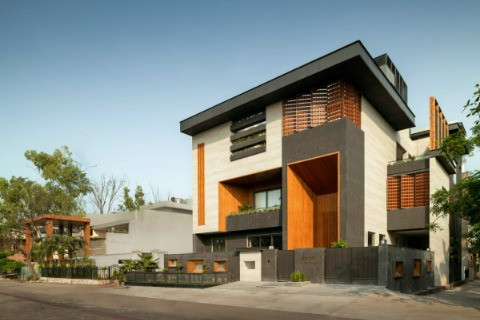
Distracted House
Distracted House by Ismail Solehudin Architecture
VZ- What are some of your favorite projects that you have worked on? What were the most exciting parts?
IS- Every project is a favorite of mine. Each has its own story and context, while offering an opportunity to explore ideas and discover different architectural possibilities.
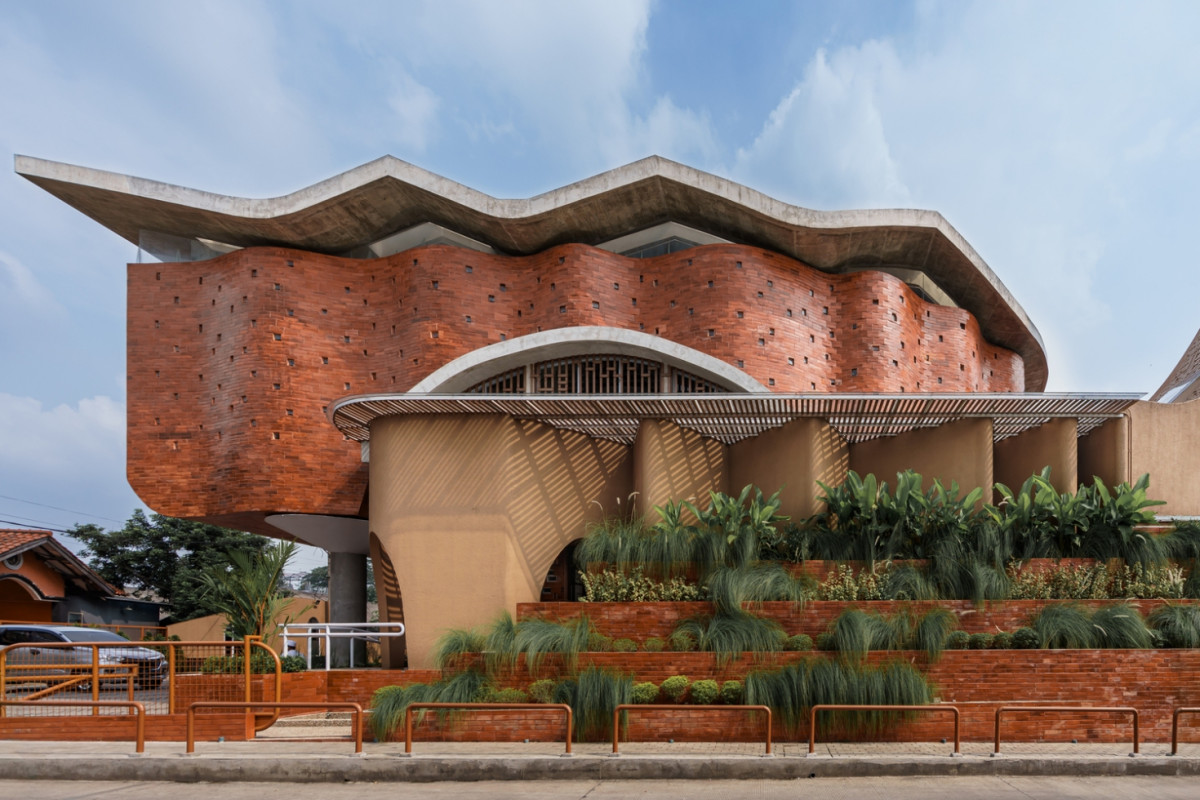
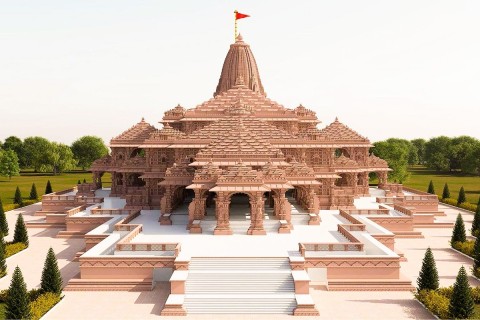
Jami At-Taqwa Mosque Cibinong
Jami At-Taqwa Mosque Cibinong by Ismail Solehudin Architecture
VZ- What has been your most challenging project?
IS- For me, every project is a celebration of architectural possibilities. It is exciting to see how each problem can open the way to ideas and approaches that had never been considered before.
VZ- What advice would you give to young students and aspiring architects looking to make their mark in the profession?
IS- Do not simply follow what already exists. Dare to go beyond what we know, question what is taken for granted, and imagine what once seemed impossible. This is where new possibilities in architecture begin to emerge.
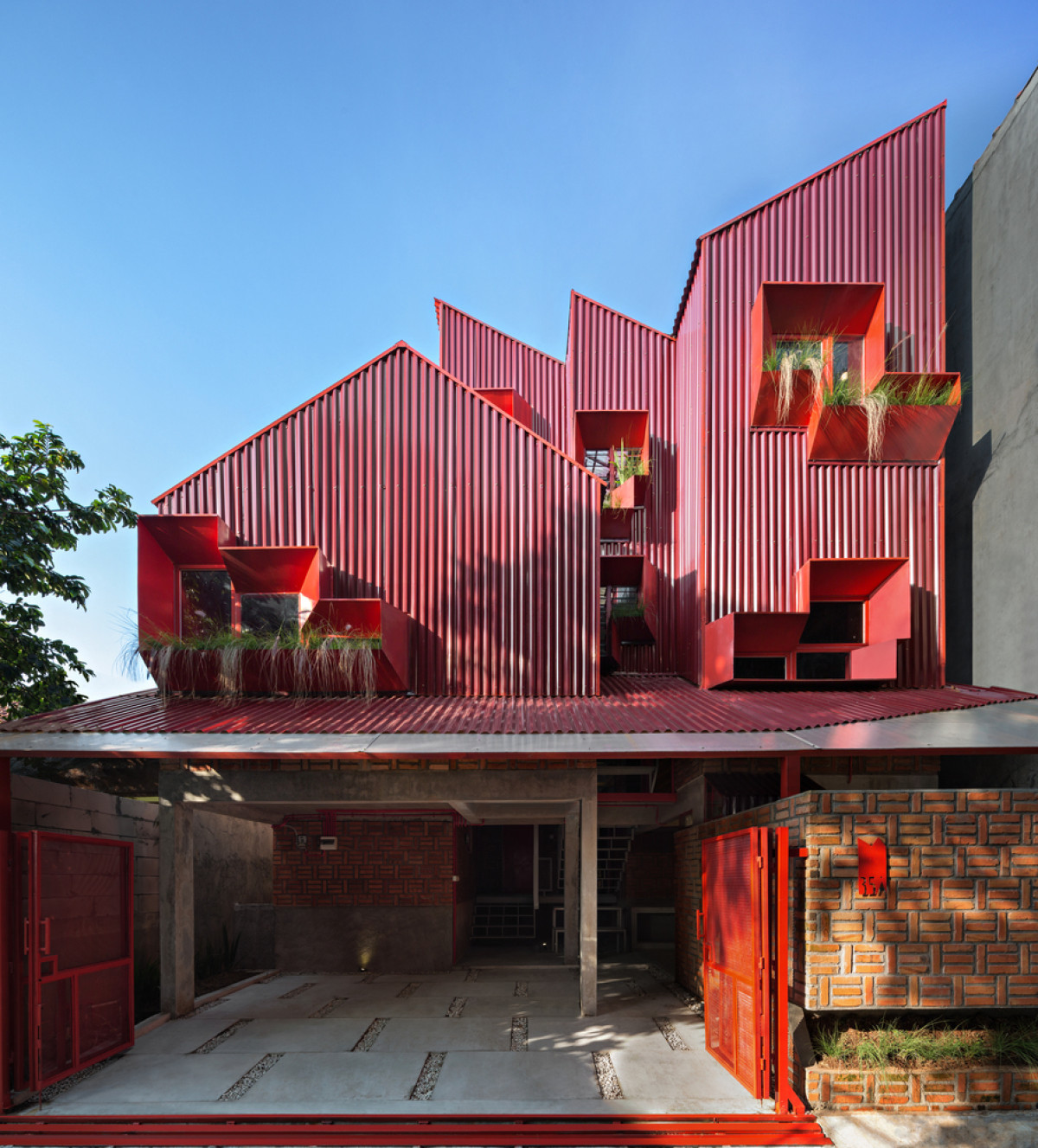
Stack By Step Red Zone Boarding House
Stack By Step Red Zone Boarding House by Ismail Solehudin Architecture
VZ- What do you expect from the proposals and participants of Micro Living 2026?
IS- I hope participants can explore the potential of living spaces more deeply, going beyond conventional understandings of how a home is designed, used, and inhabited.
VZ- Which aspect of the brief appeals to you the most, and which do you find the most challenging?
IS- The freedom to explore ways of living beyond established typologies. I am interested in seeing how participants move beyond conventional boundaries of space and function, discovering new possibilities for the experience of living.
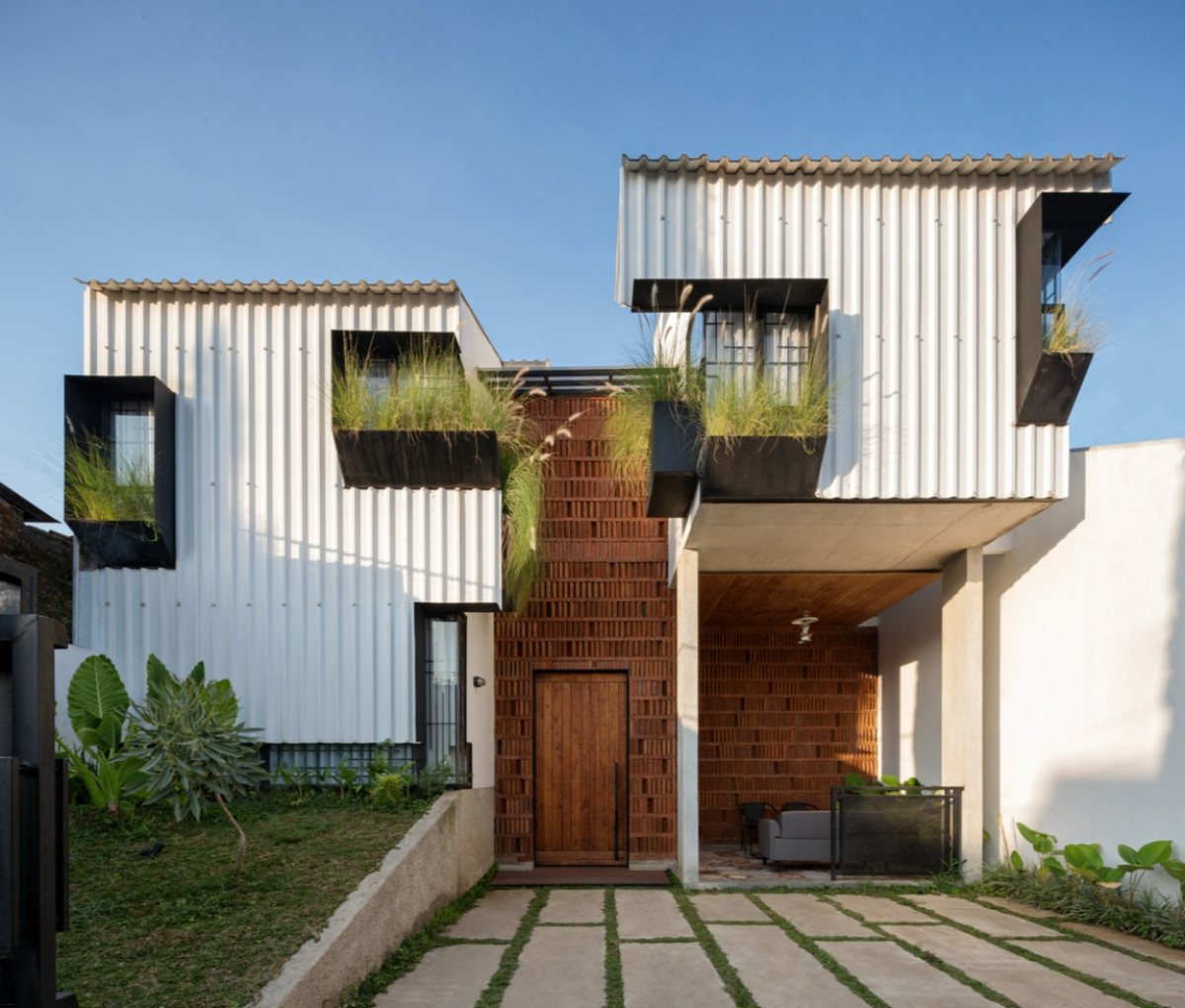
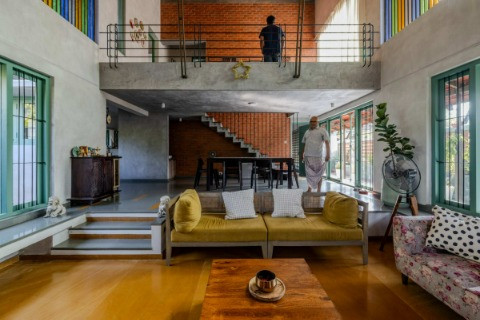
Kampoong In House
Kampoong In House by Ismail Solehudin Architecture
VZ- How do you approach designing a unit that is more than just a compact house in today's context?
IS- For me, micro-living is an opportunity to go beyond how we understand a home. It is not simply about making a house smaller, but about exploring how far a living space can evolve, how much value it can offer, and how many possibilities for living it can accommodate—including those we have yet to imagine.