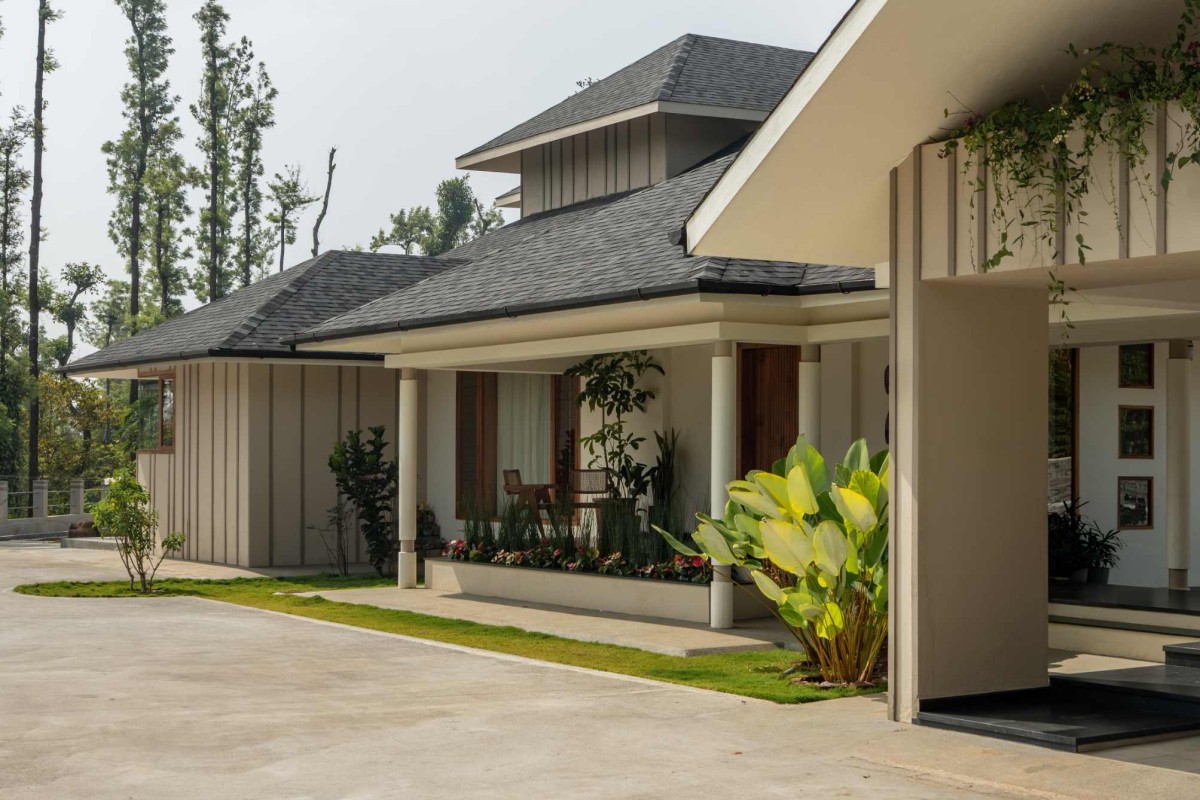
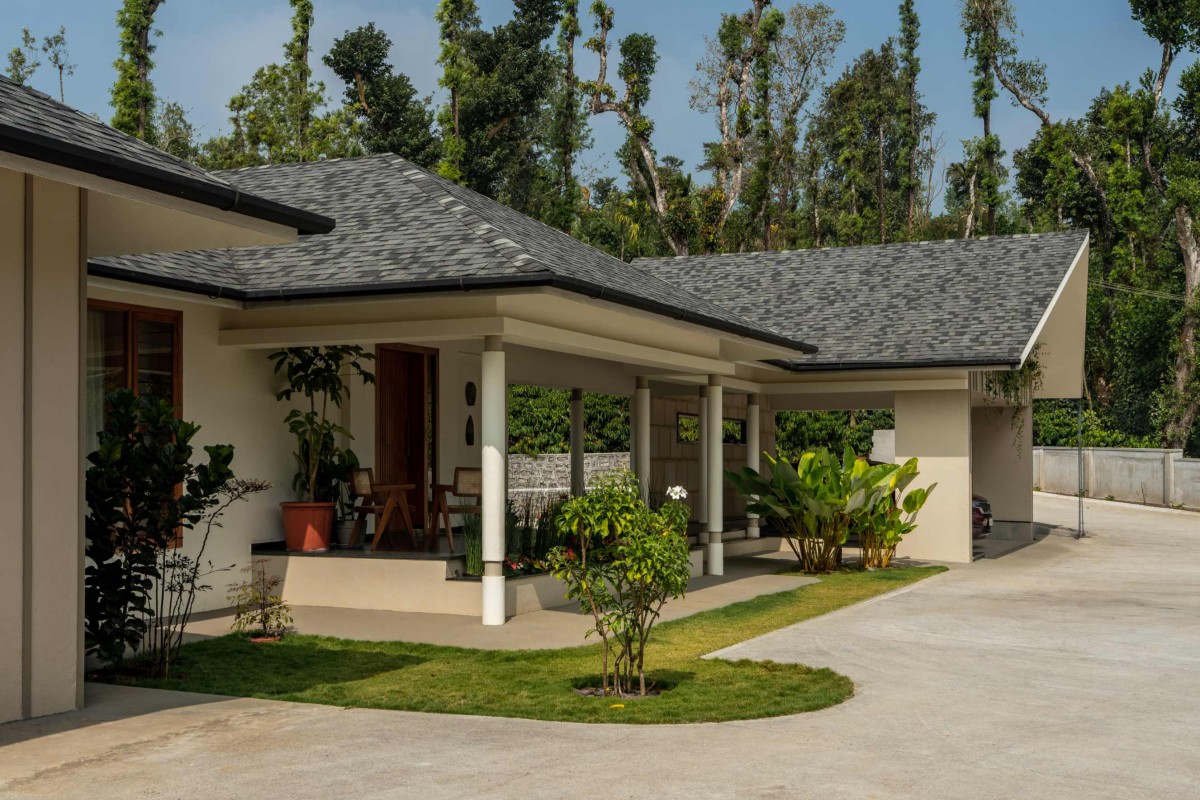
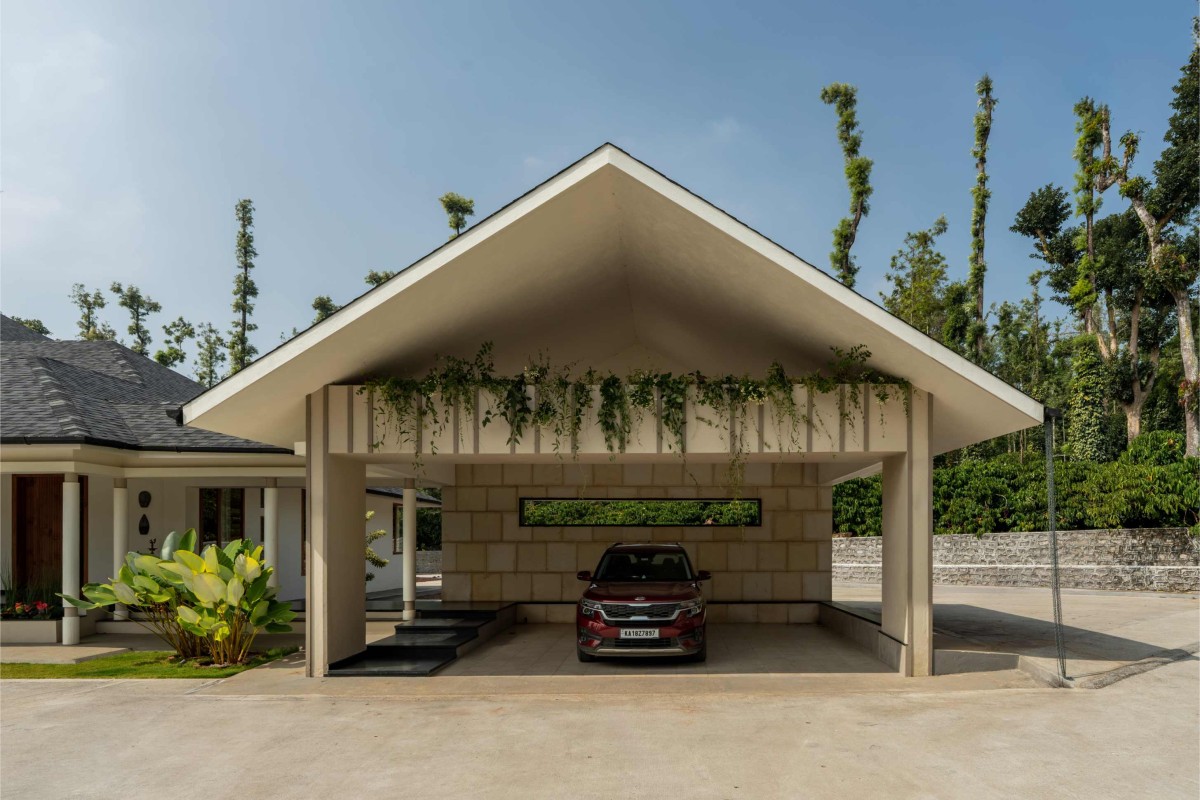
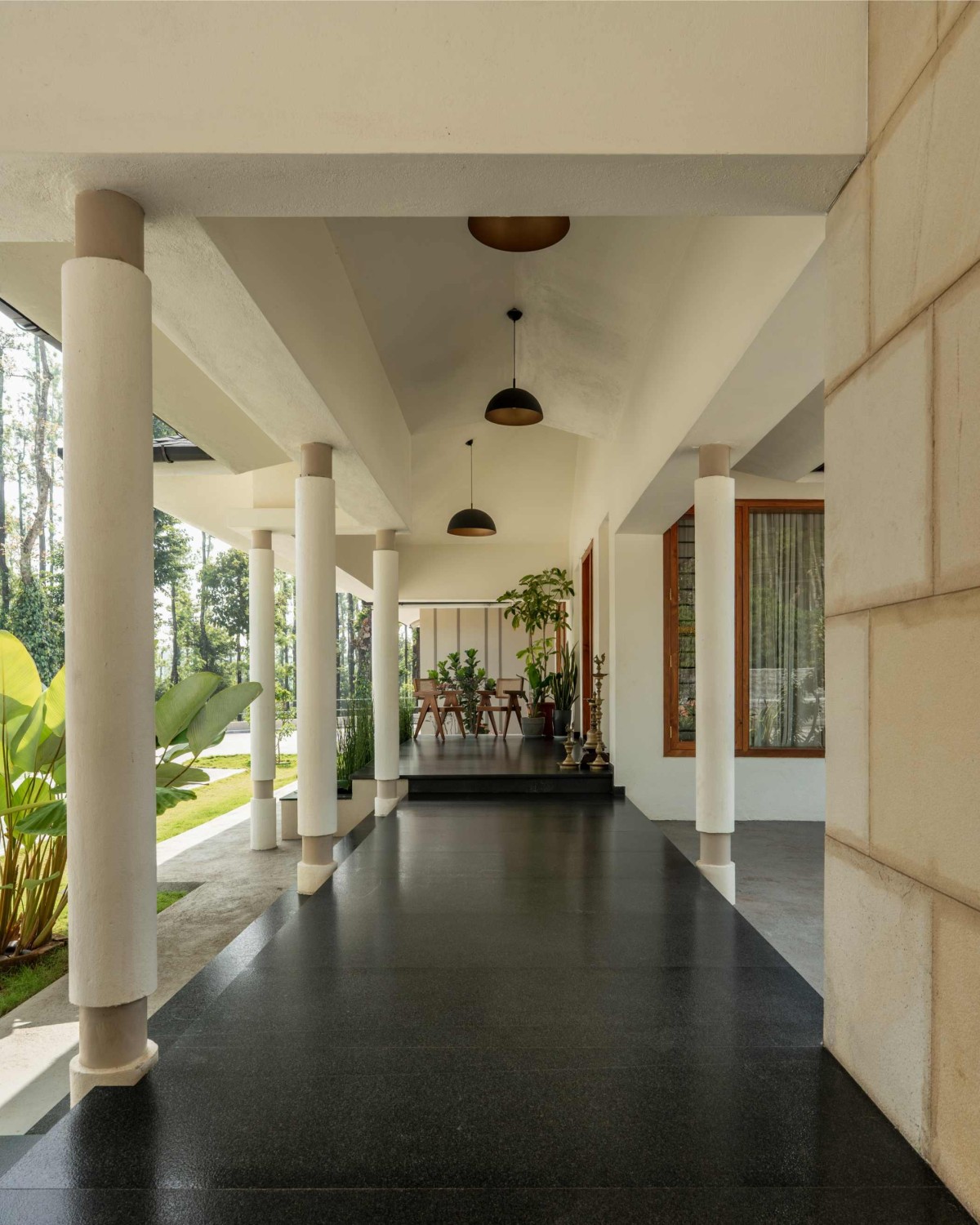
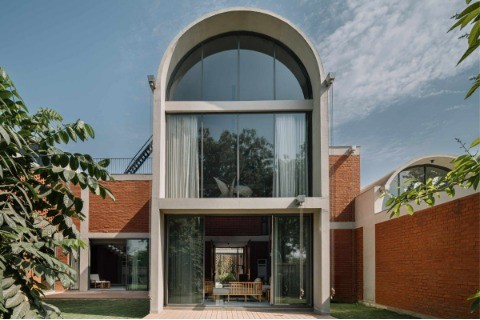
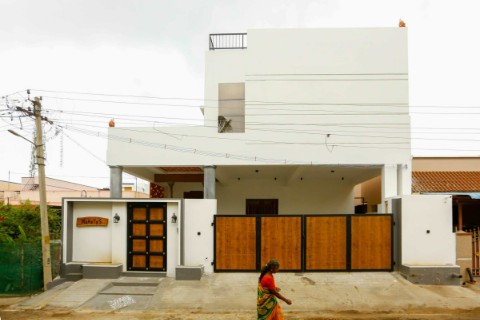
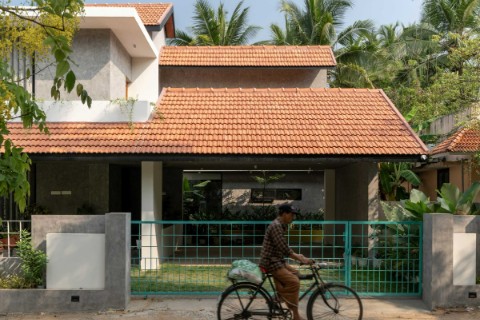
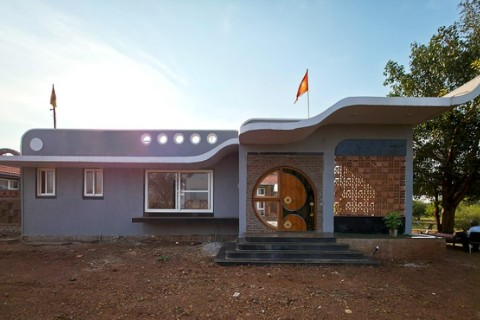
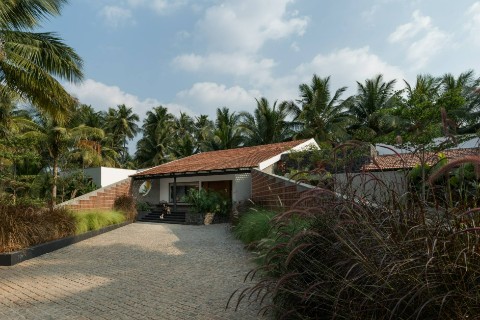
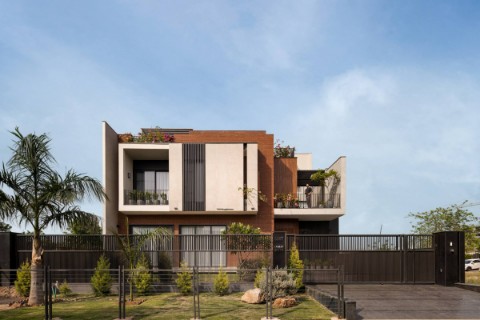
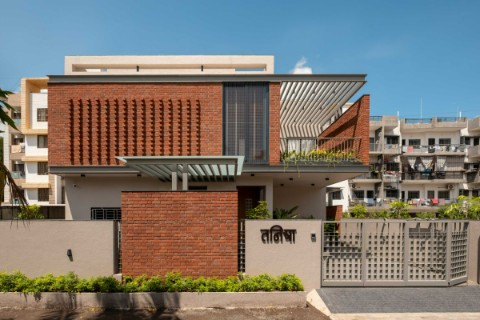
Exterior view of The Haven by Architecture Saga
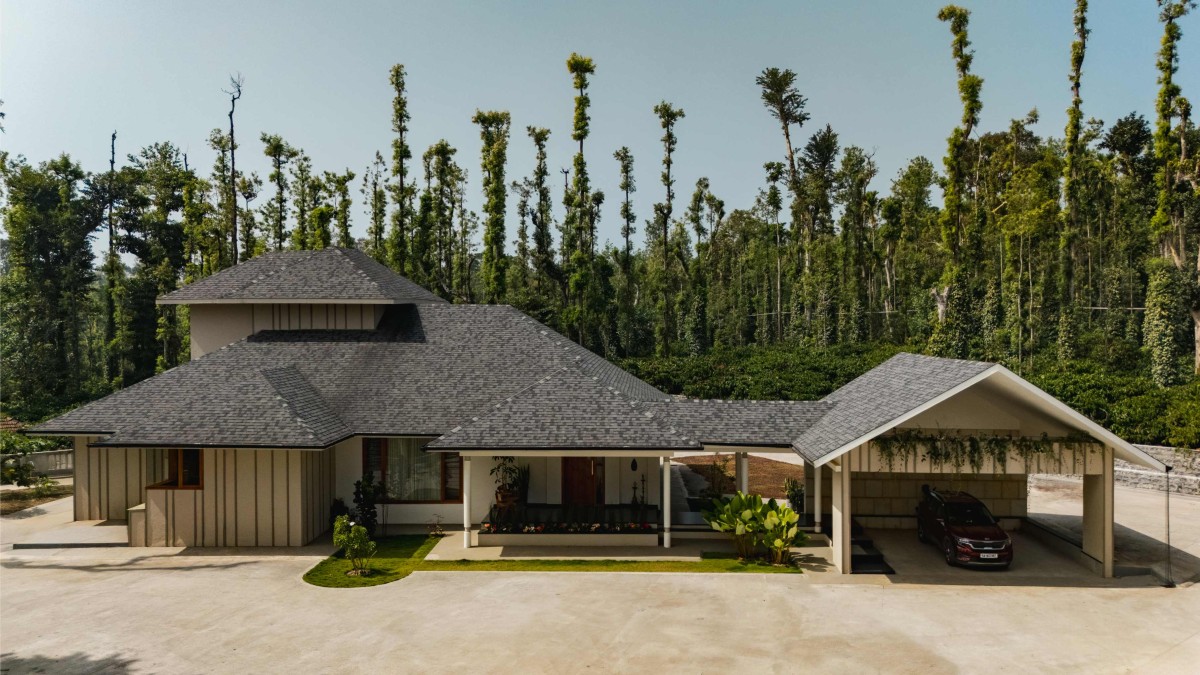
Exterior view of The Haven by Architecture Saga
Vehicular Porch of The Haven by Architecture Saga
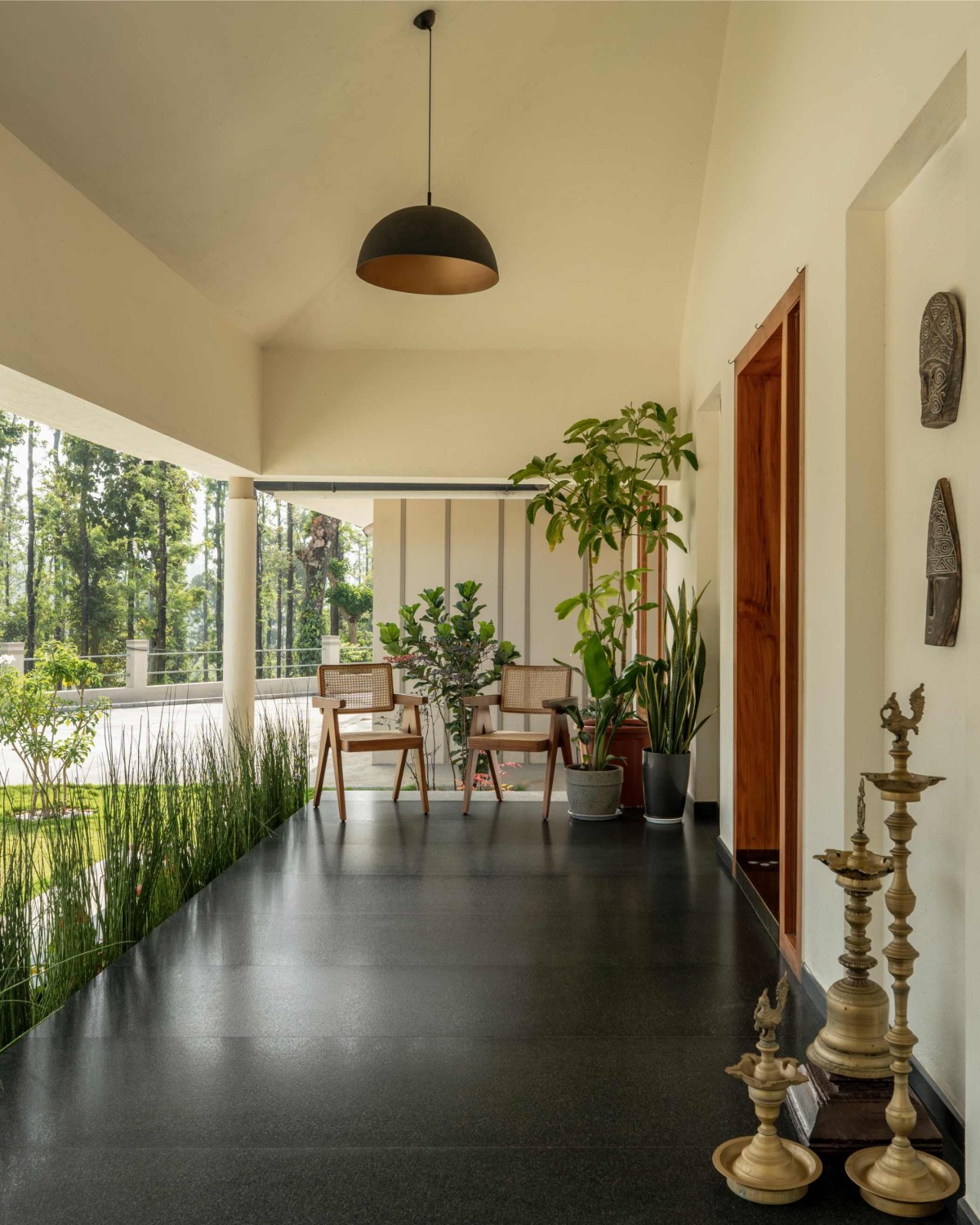
Verandah of The Haven by Architecture Saga
Sit Out of The Haven by Architecture Saga
Entry into the house is through a modest foyer that leads into the living area and a combined family
dining space. The ground floor accommodates two bedrooms, catering to the daily needs of the family, while the upper floor houses an additional bedroom positioned towards the southwest. Large windows are strategically placed throughout the house, framing views of the surrounding coffee plantation and the drying yard where coffee beans are processed—ensuring a constant visual connection to the site’s working landscape.
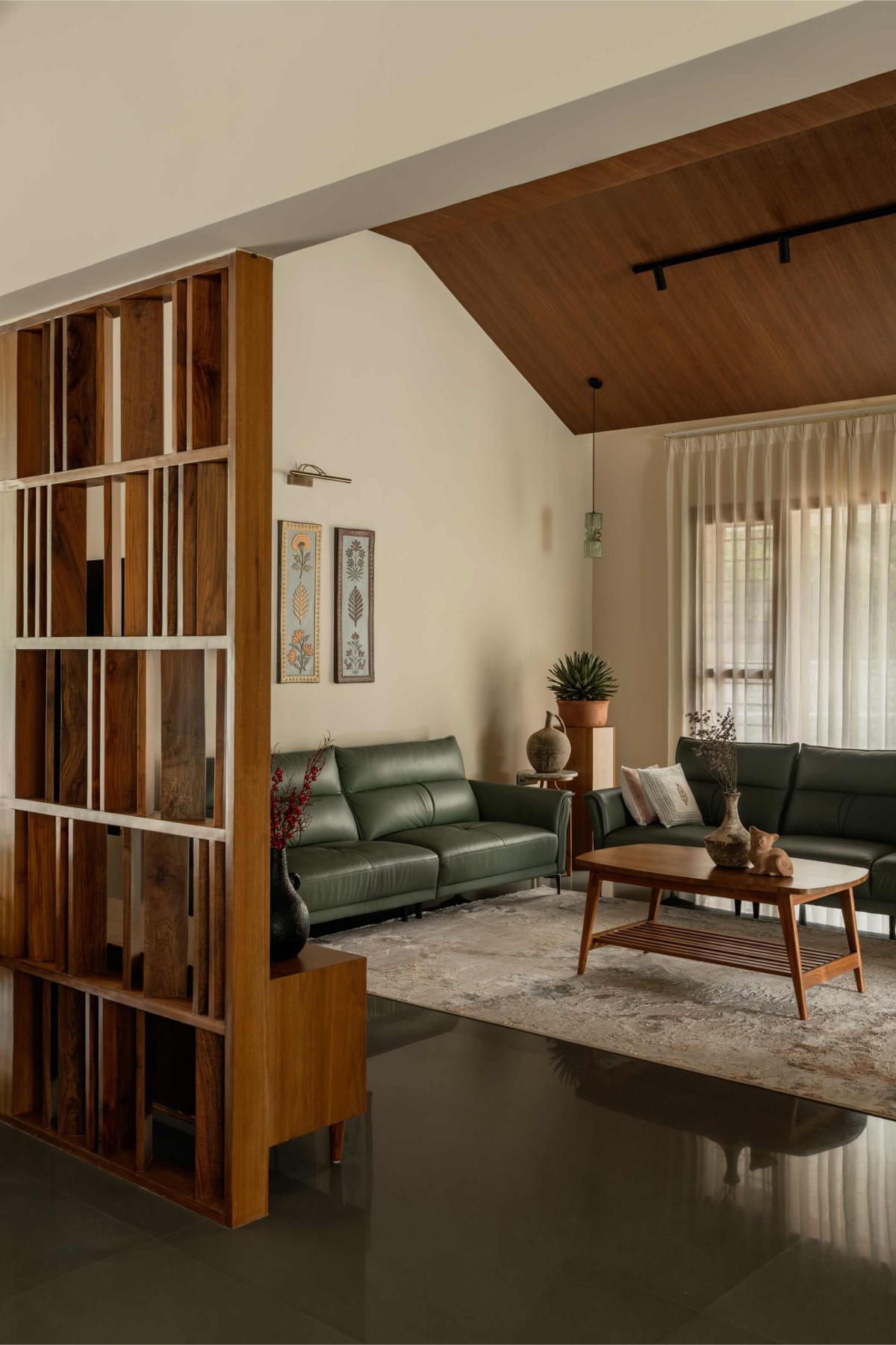
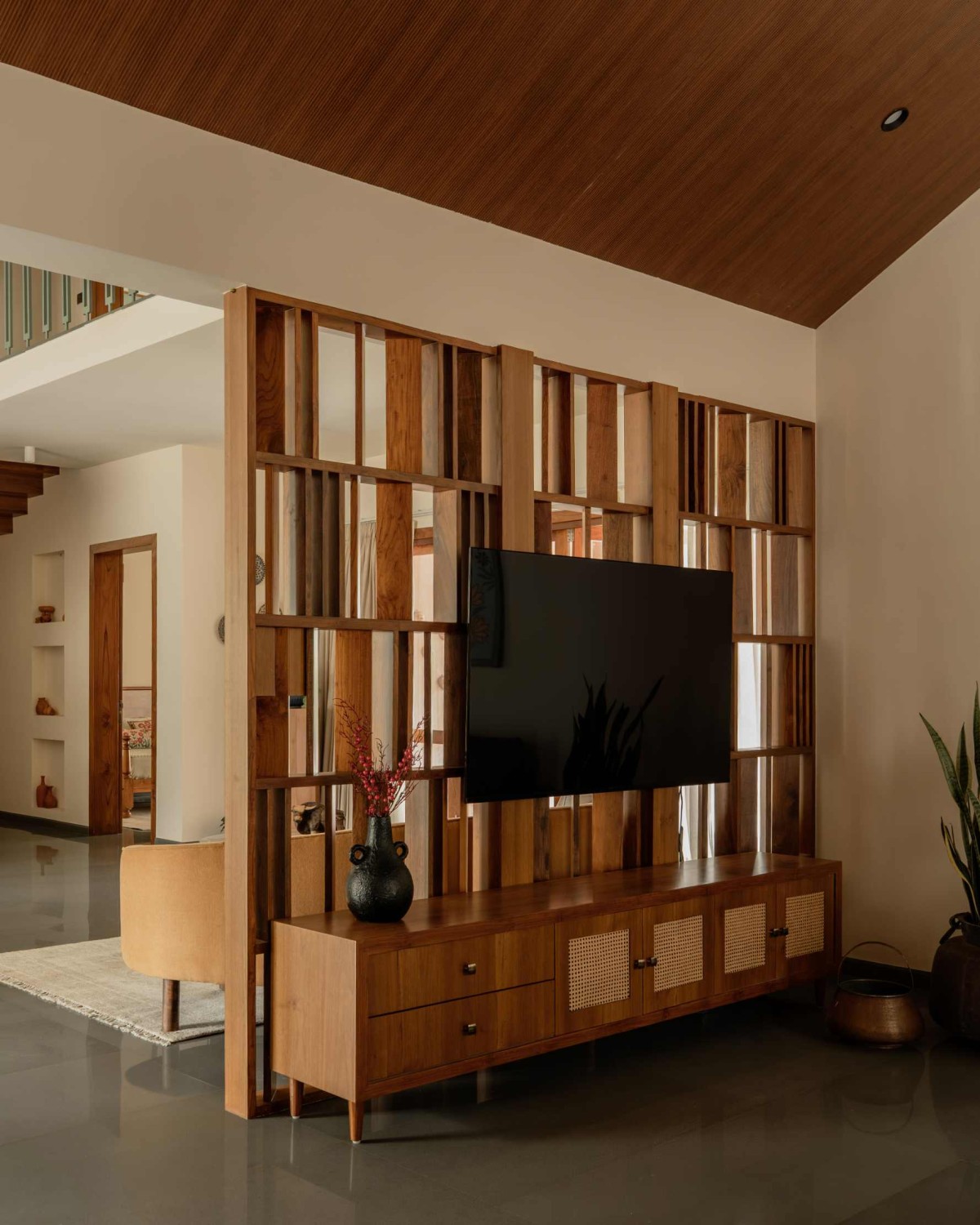
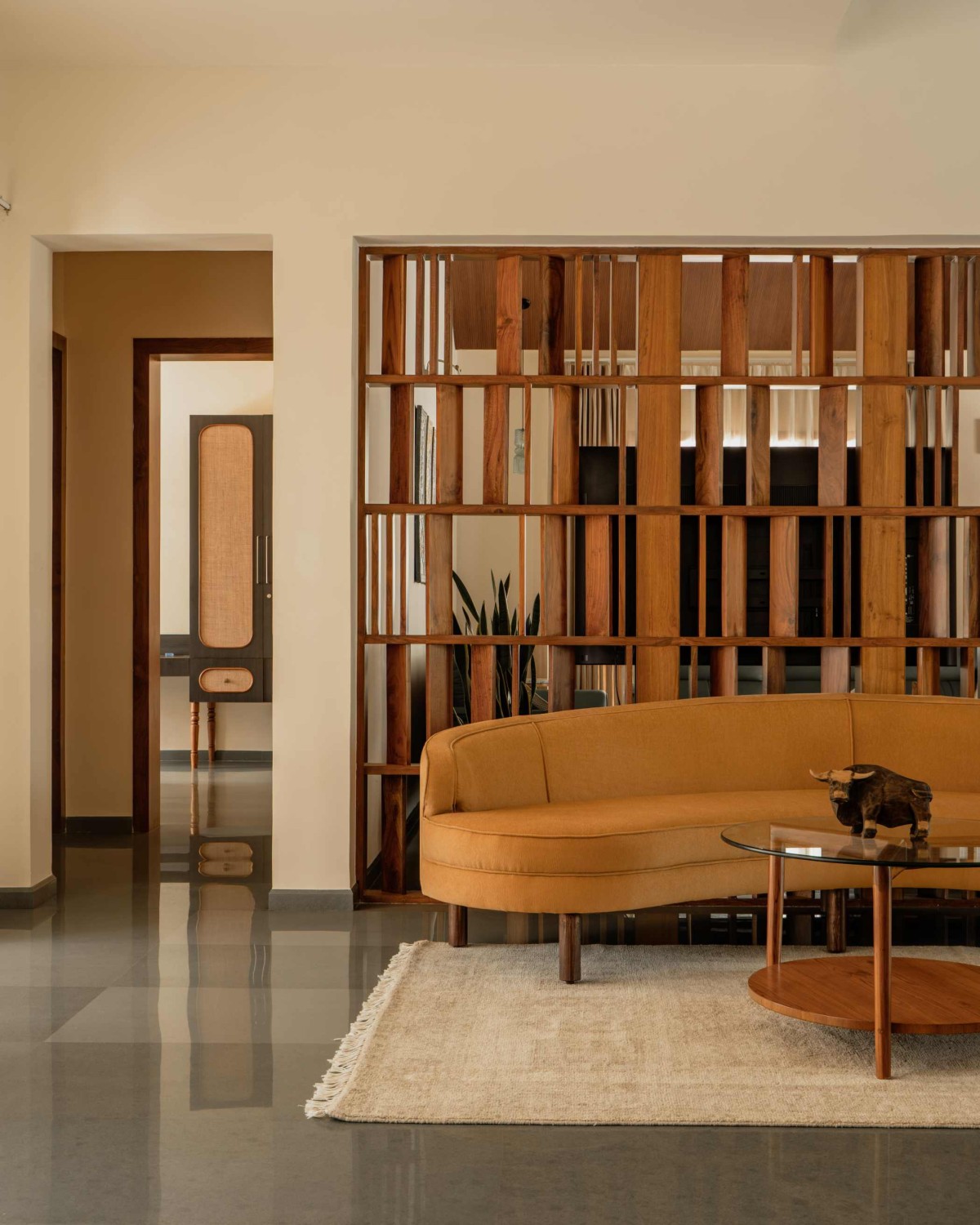
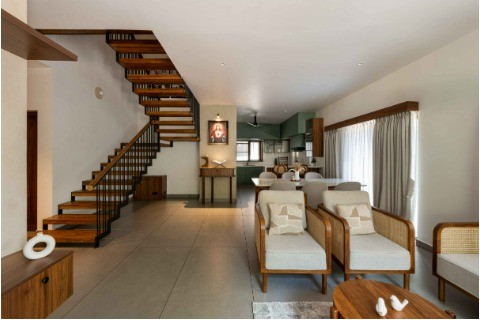
To enhance the sense of openness and make the interiors feel larger, internal walls have been kept to a minimum. Wherever spatial separation was required, especially within common areas, solid walls were replaced with carefully detailed wooden slat partitions. These partitions maintain visual continuity while subtly defining zones, allowing light and air to move freely through the house.
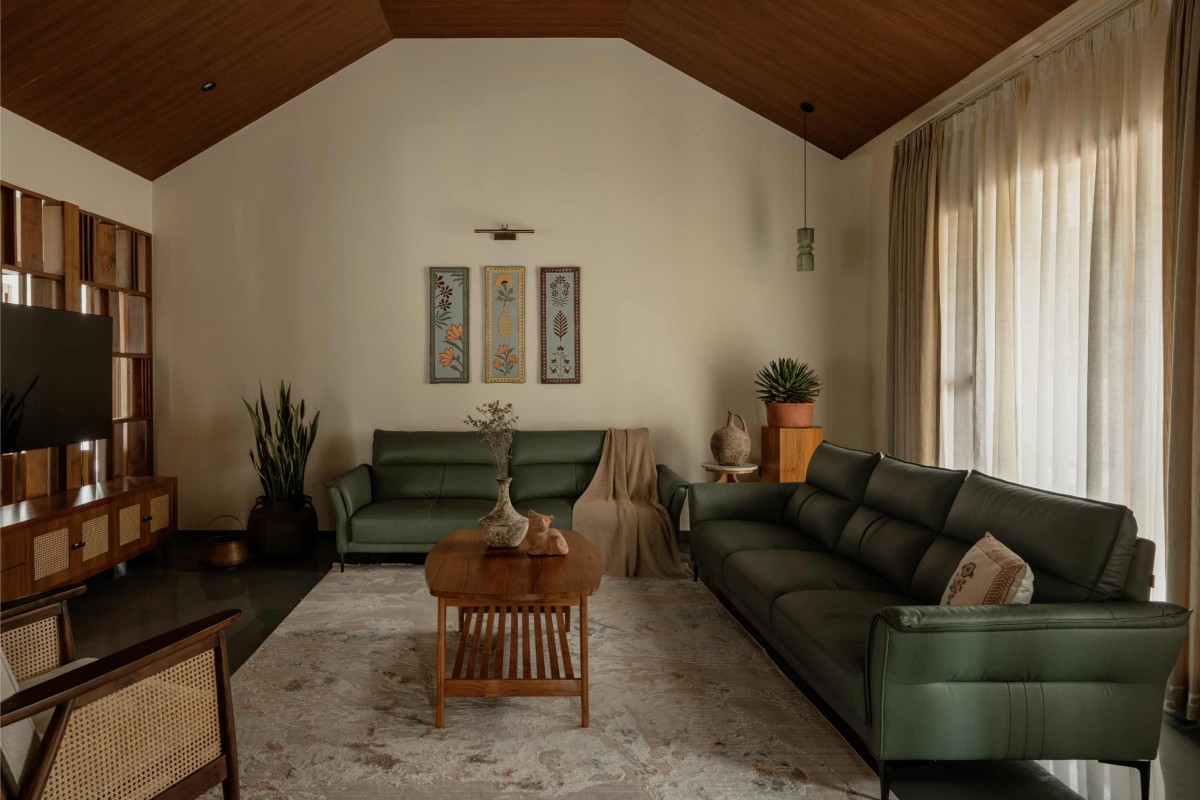
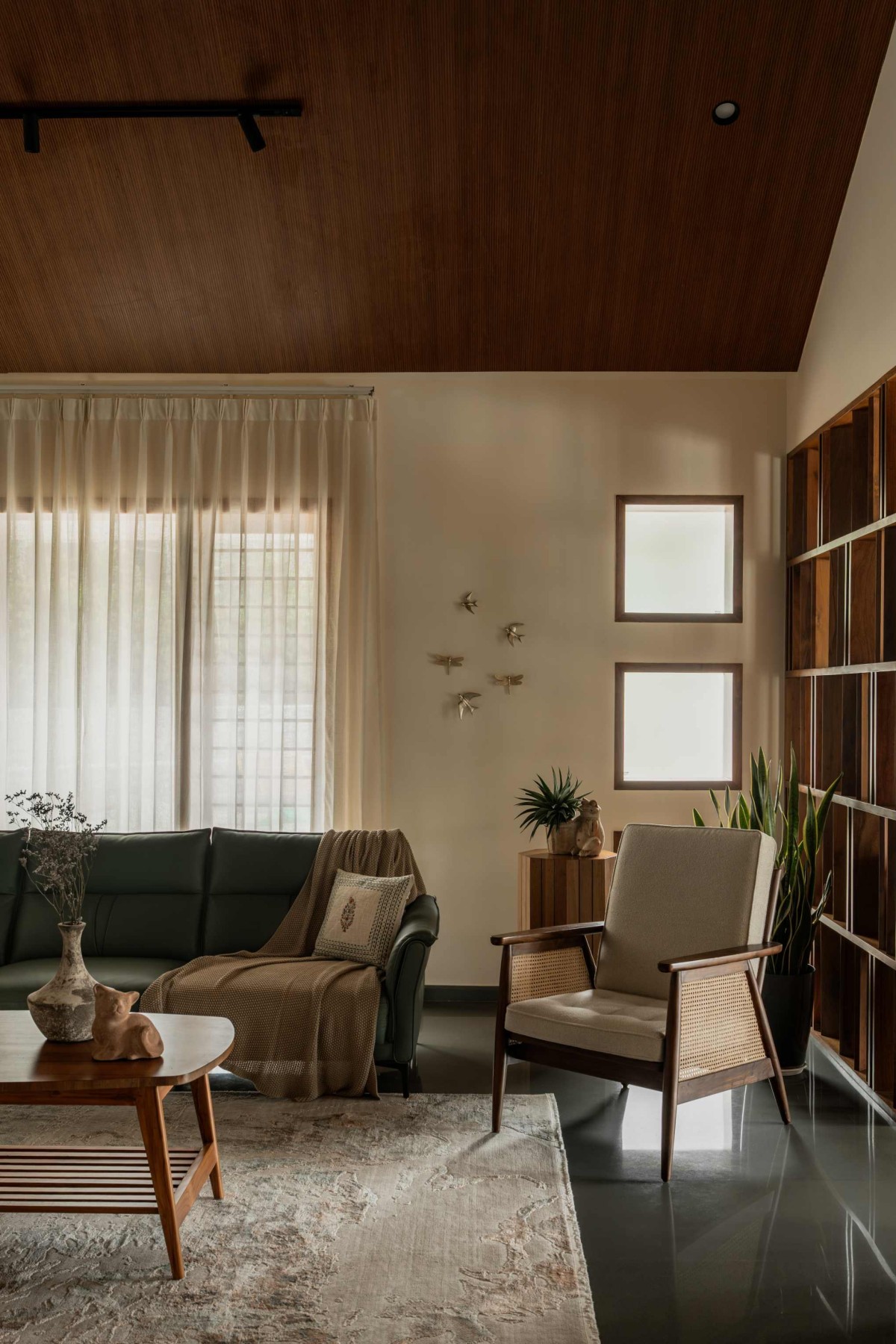
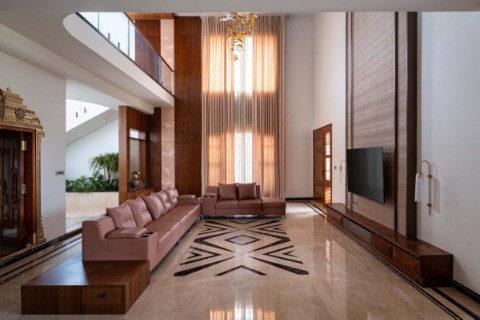
Living room of The Haven by Architecture Saga
Living room of The Haven by Architecture Saga
Living room of The Haven by Architecture Saga
TV Unit of The Haven by Architecture Saga
Family Living of The Haven by Architecture Saga
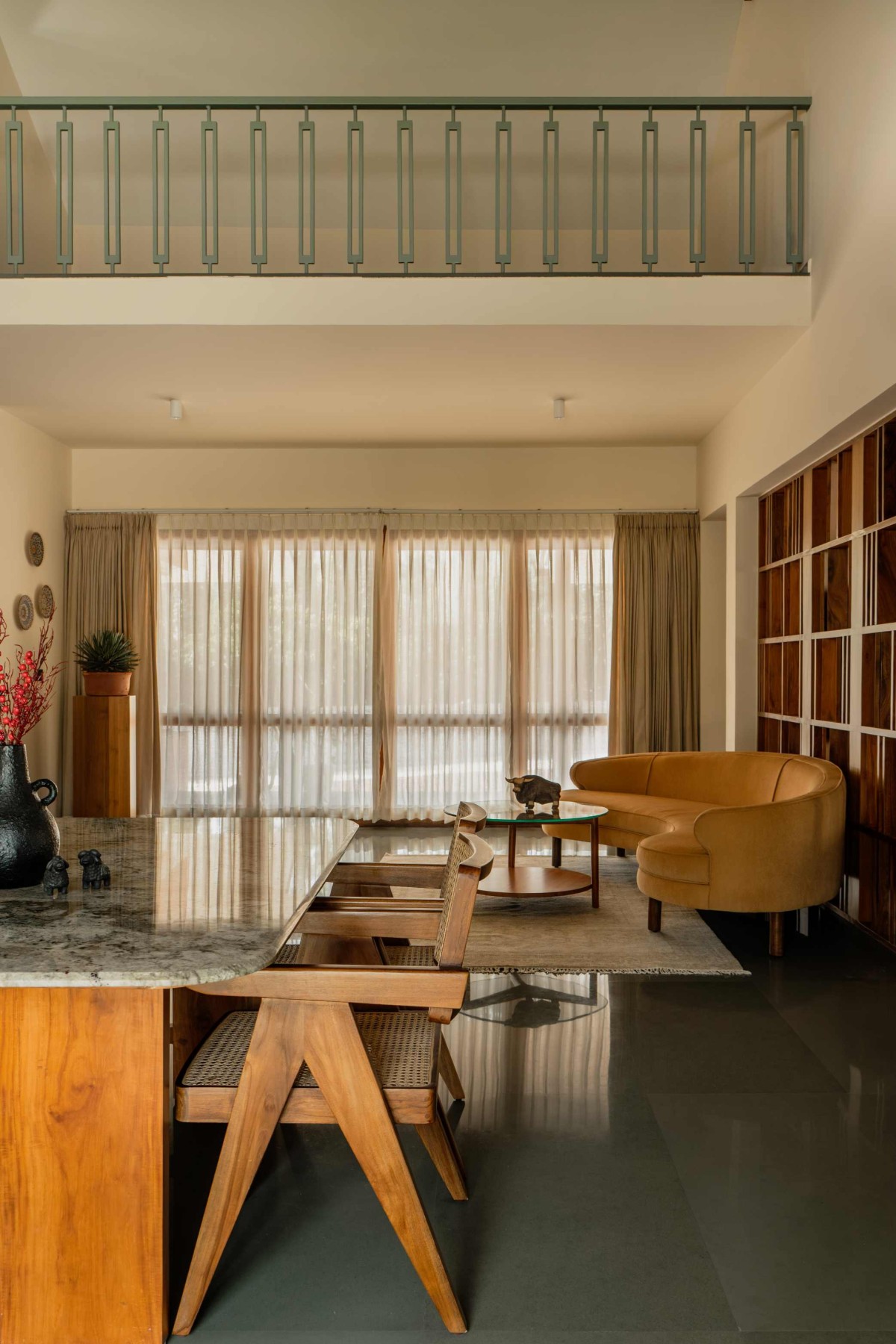
Dining and Family Living of The Haven by Architecture Saga
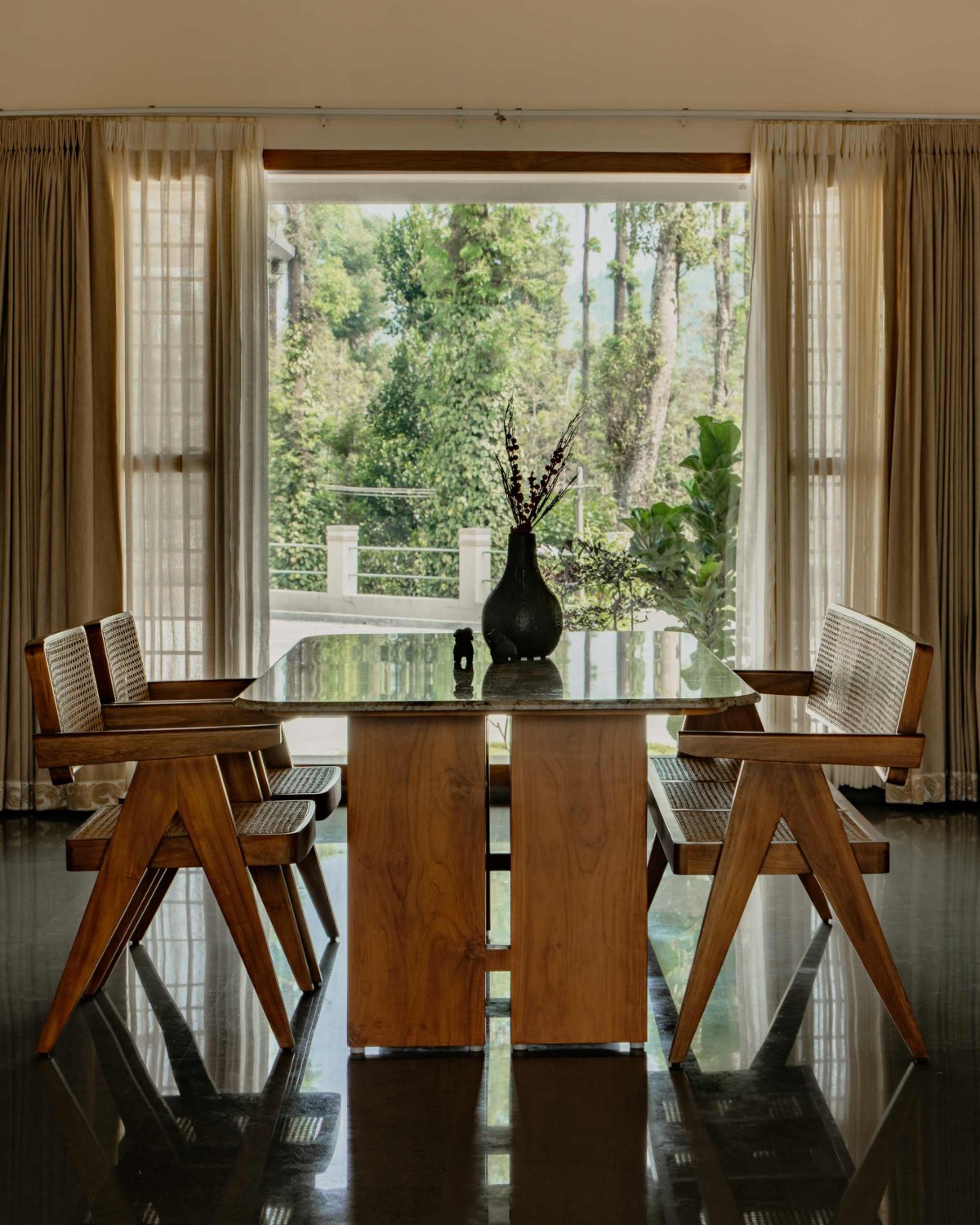
Dining of The Haven by Architecture Saga
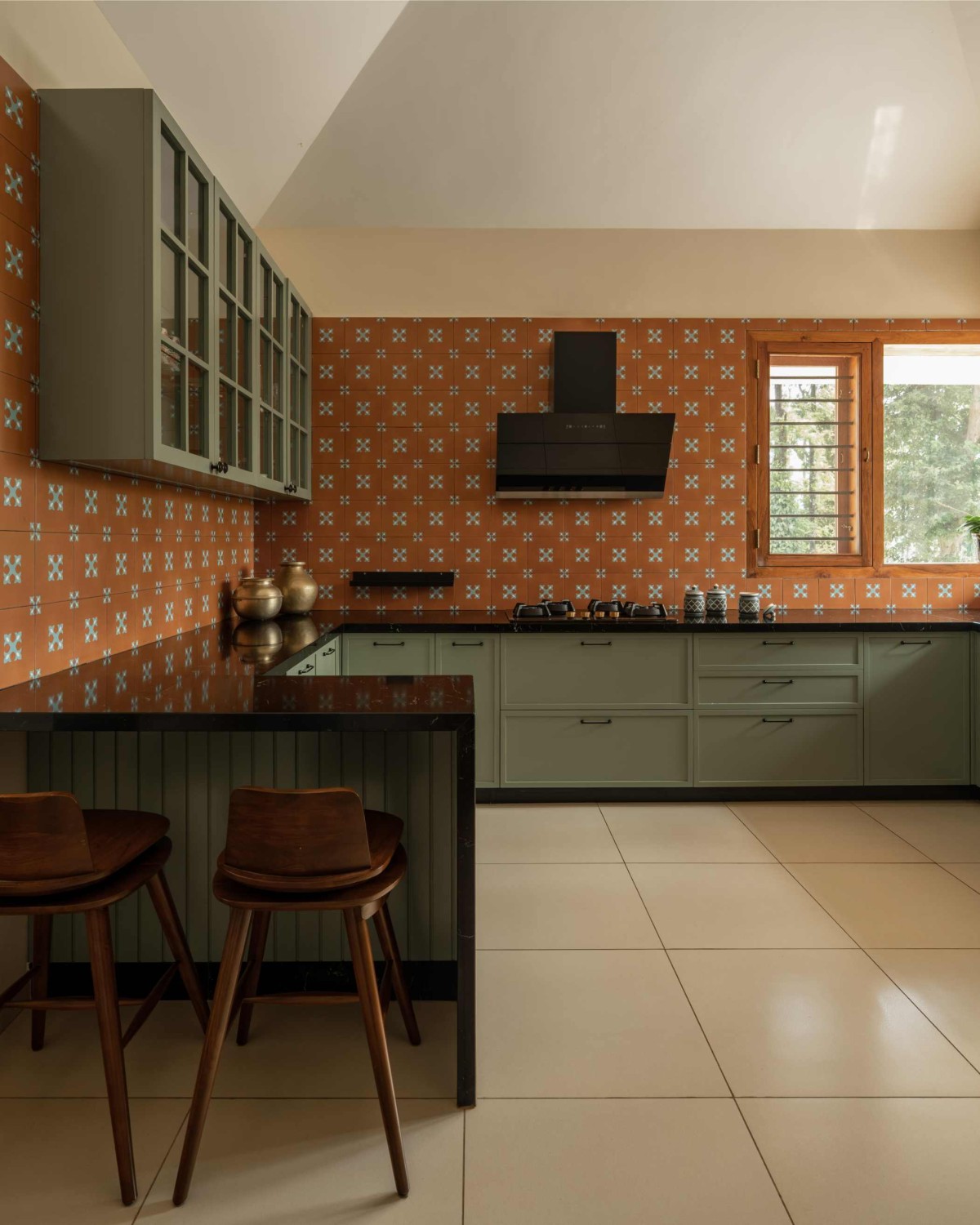
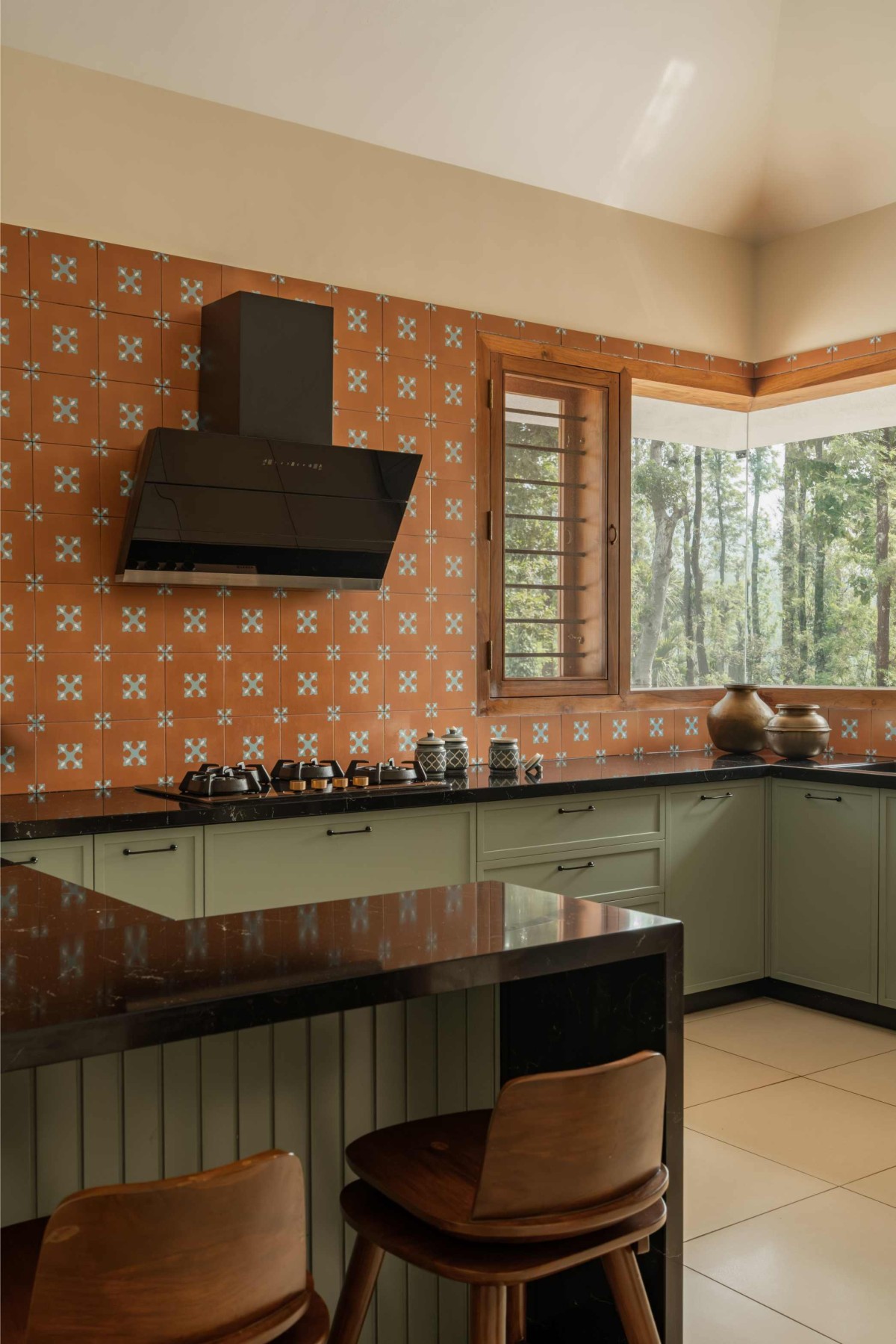
Kitchen of The Haven by Architecture Saga
Kitchen of The Haven by Architecture Saga
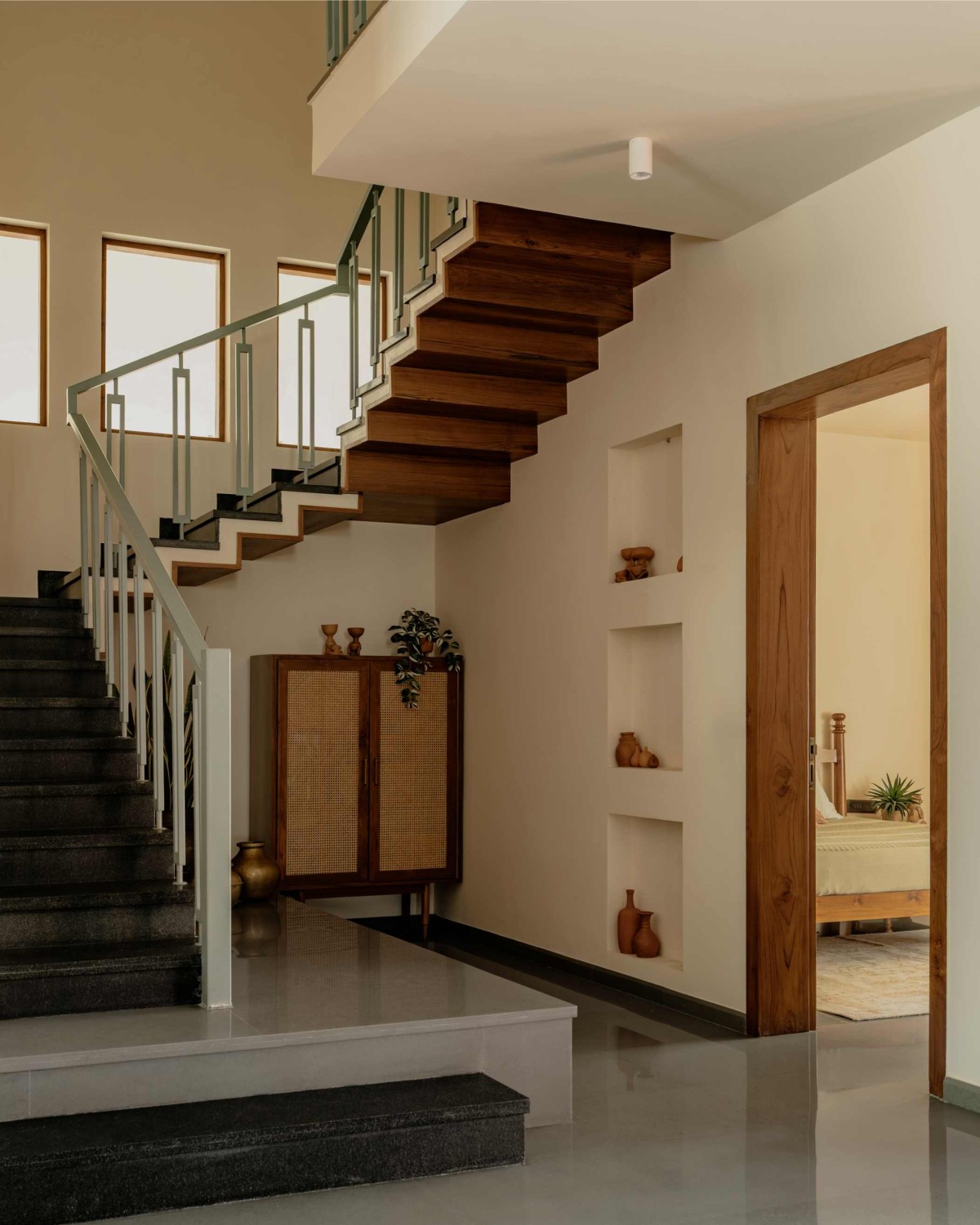
Stairwell of The Haven by Architecture Saga
Responding to Chikkamagaluru’s heavy rainfall and tropical climate, the entire structure is covered with a continuous sloping roof. The roof, clad in shingles, allows efficient rainwater runoff while also lending the house a strong, cohesive architectural character. Internally, the sloping roof creates generous volumes, adding height and spatial drama to the living areas without increasing the overall built-up area.
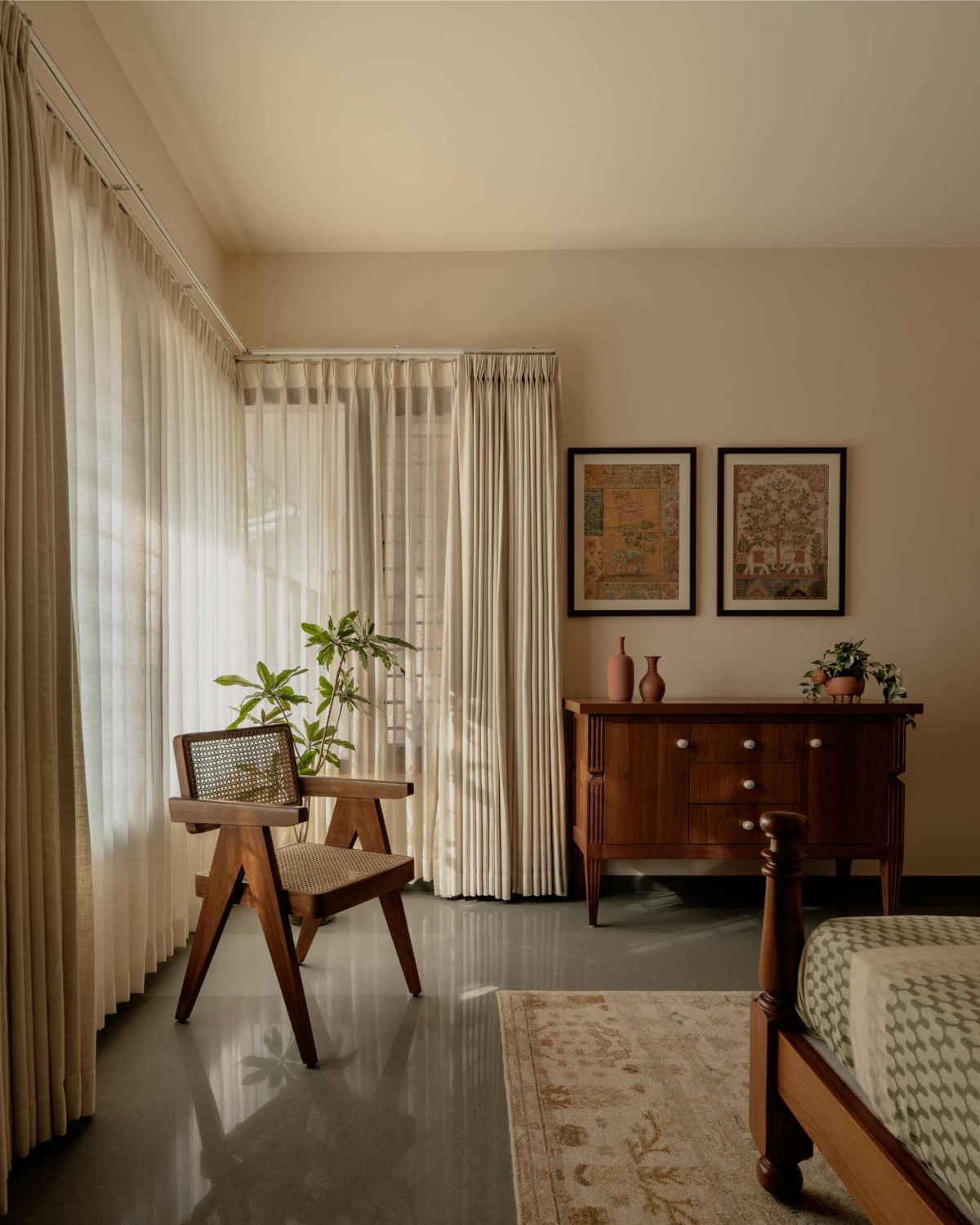
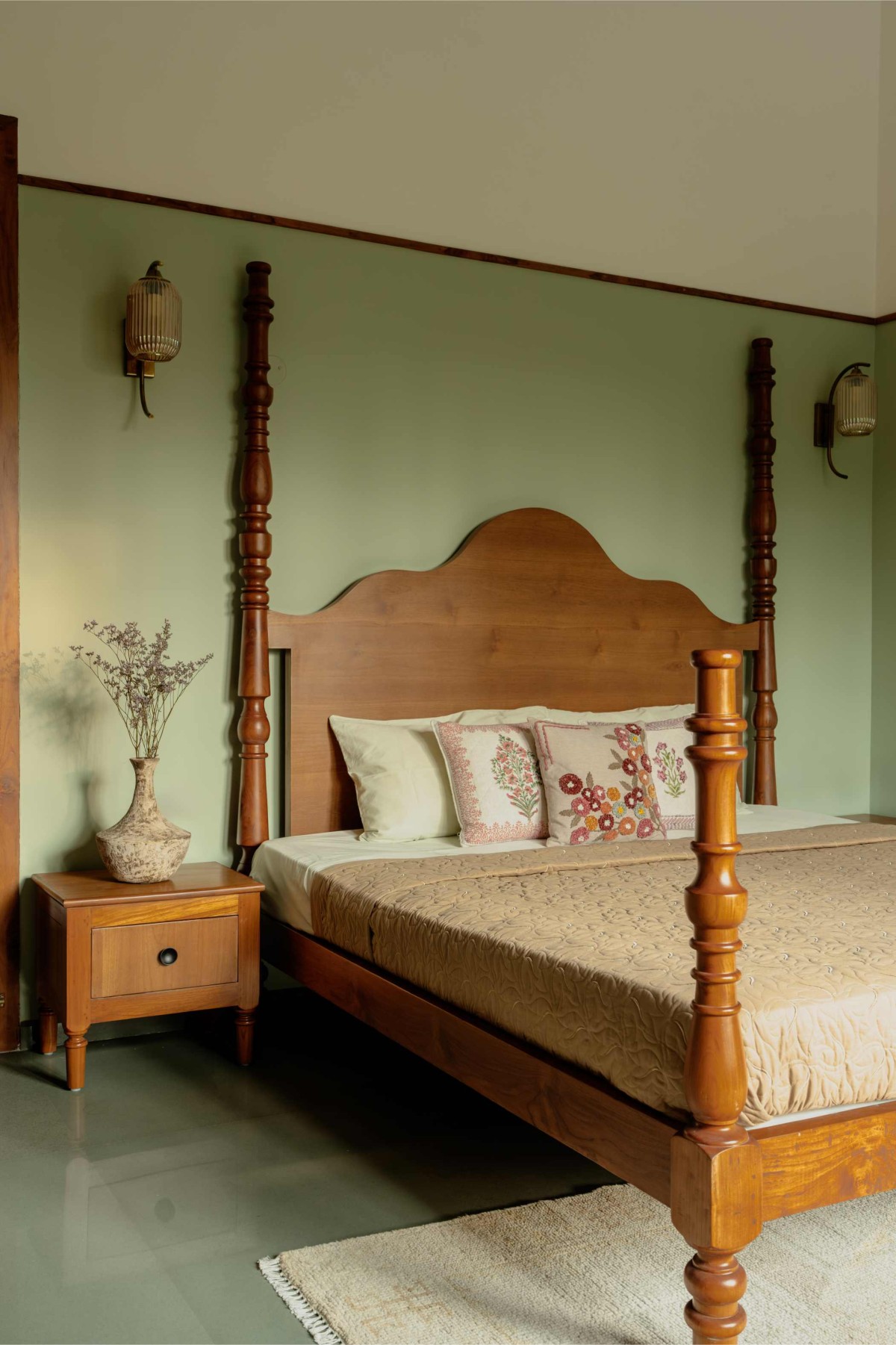
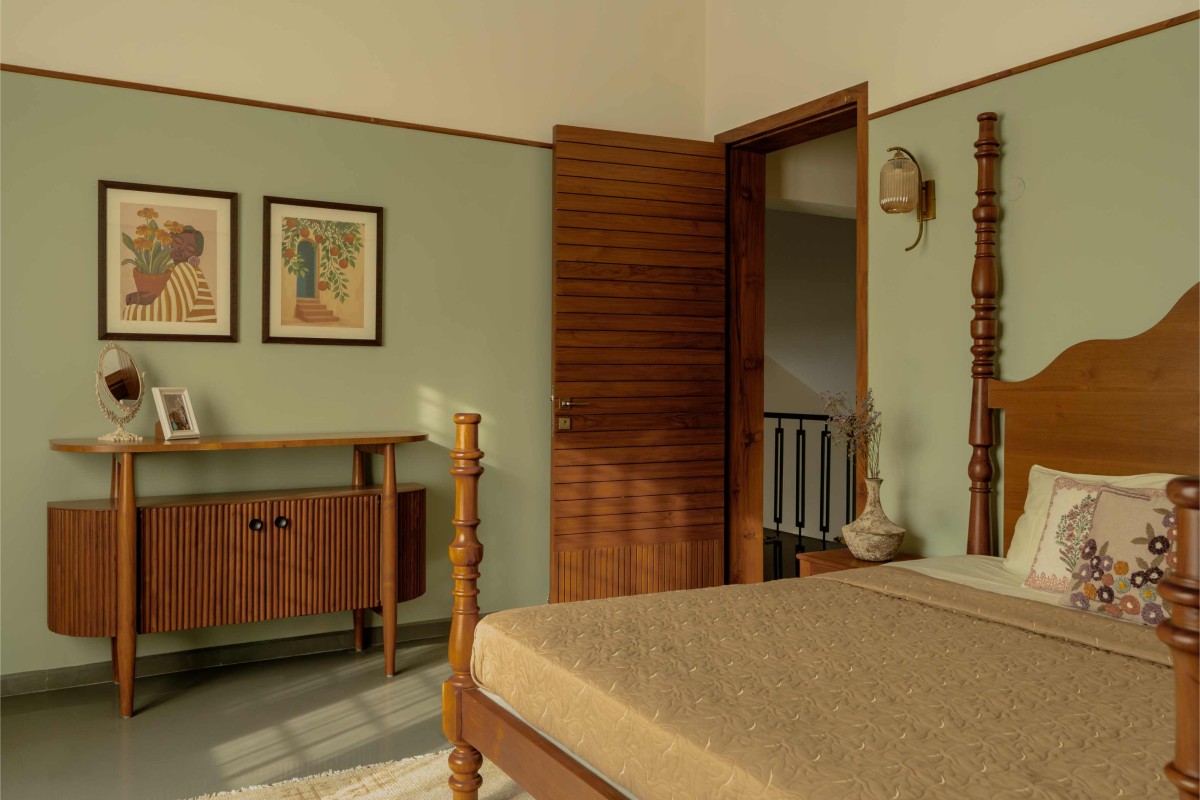
Material selection plays a key role in grounding the house within its context. Teak wood has been extensively used for doors, windows, and loose furniture, all of which were custom-made on site. The furniture remains intentionally simple, solid, and timeless, complementing the architectural language rather than overpowering it. Flooring throughout the house is done in polished Kota stone, chosen for its durability, thermal comfort, and warm, understated appearance.
Windows are large and carefully oriented to maximise natural light, cross-ventilation, and uninterrupted views of the surrounding greenery.
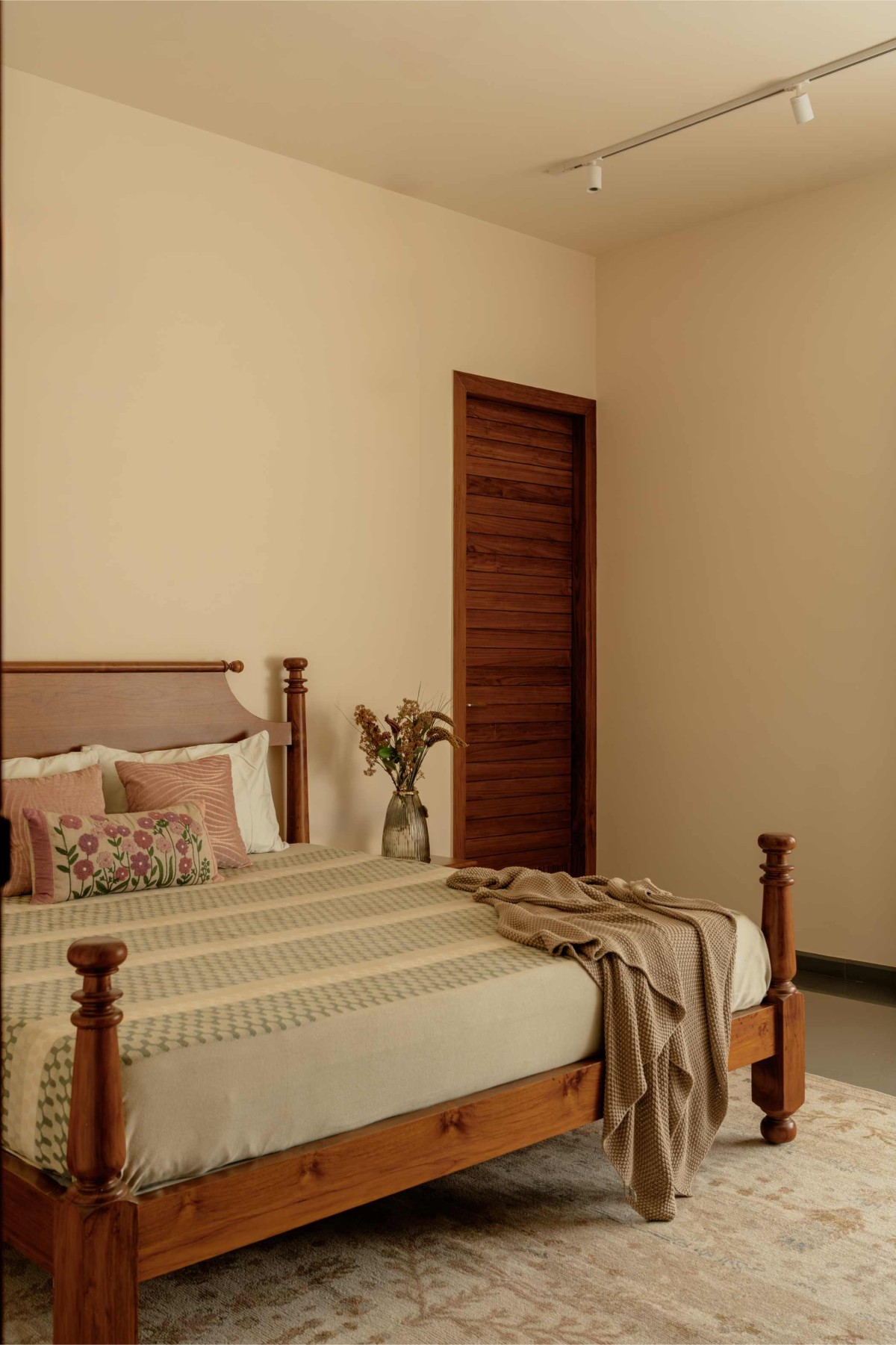
Master Bedroom of The Haven by Architecture Saga
Master Bedroom of The Haven by Architecture Saga
Daughter's Bedroom of The Haven by Architecture Saga
Daughter's Bedroom of The Haven by Architecture Saga
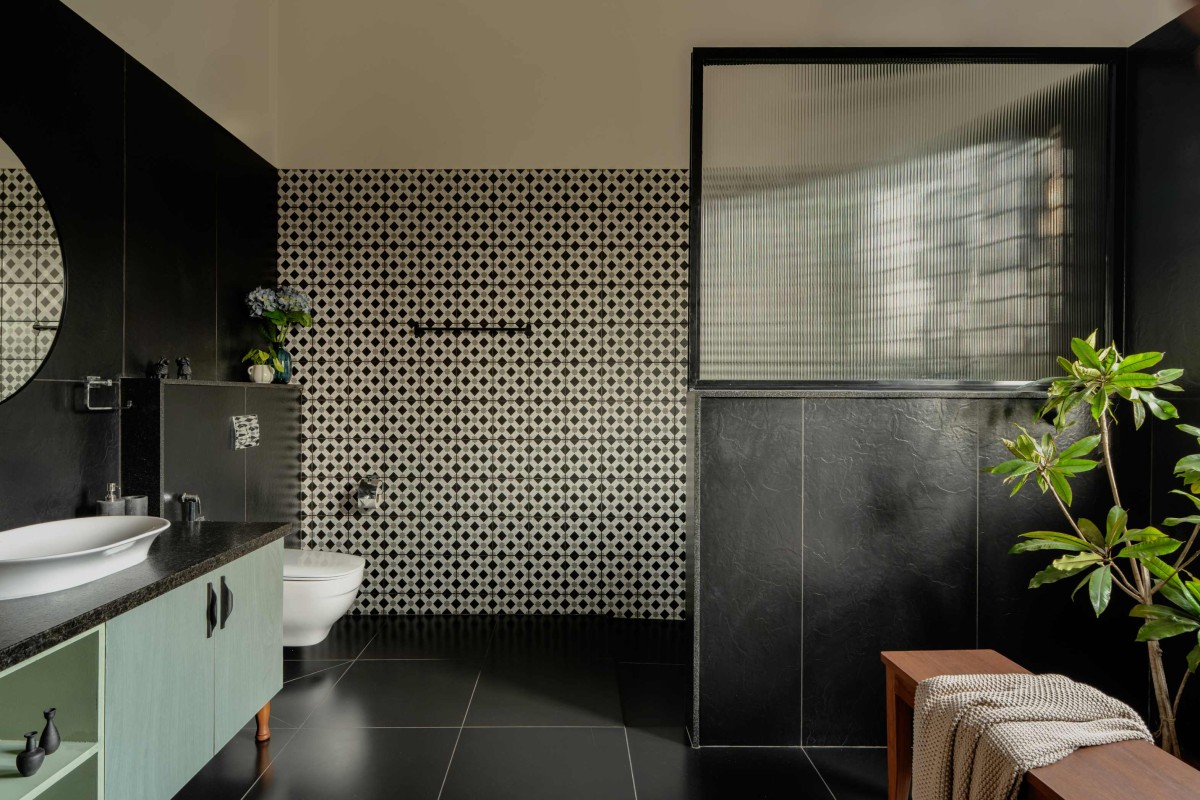
Daughter's Bathroom of The Haven by Architecture Saga
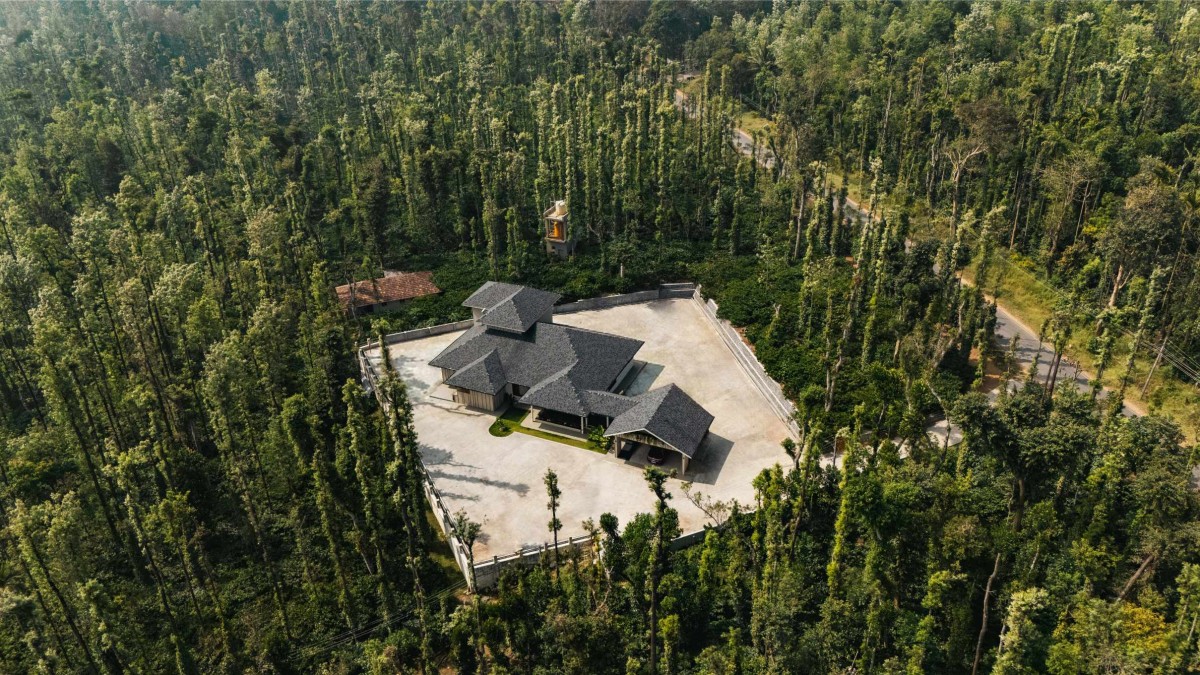
Aerial Front Elevation of The Haven by Architecture Saga
Overall, the house is conceived as a quiet, grounded retreat—one that respects climate, landscape, and traditional planning principles while embracing a modern, minimalist approach to living. It is a home that prioritises comfort, openness, and a strong connection to nature, perfectly suited to its setting within the coffee estates of Chikkamagaluru.
Aerial view of The Haven by Architecture Saga
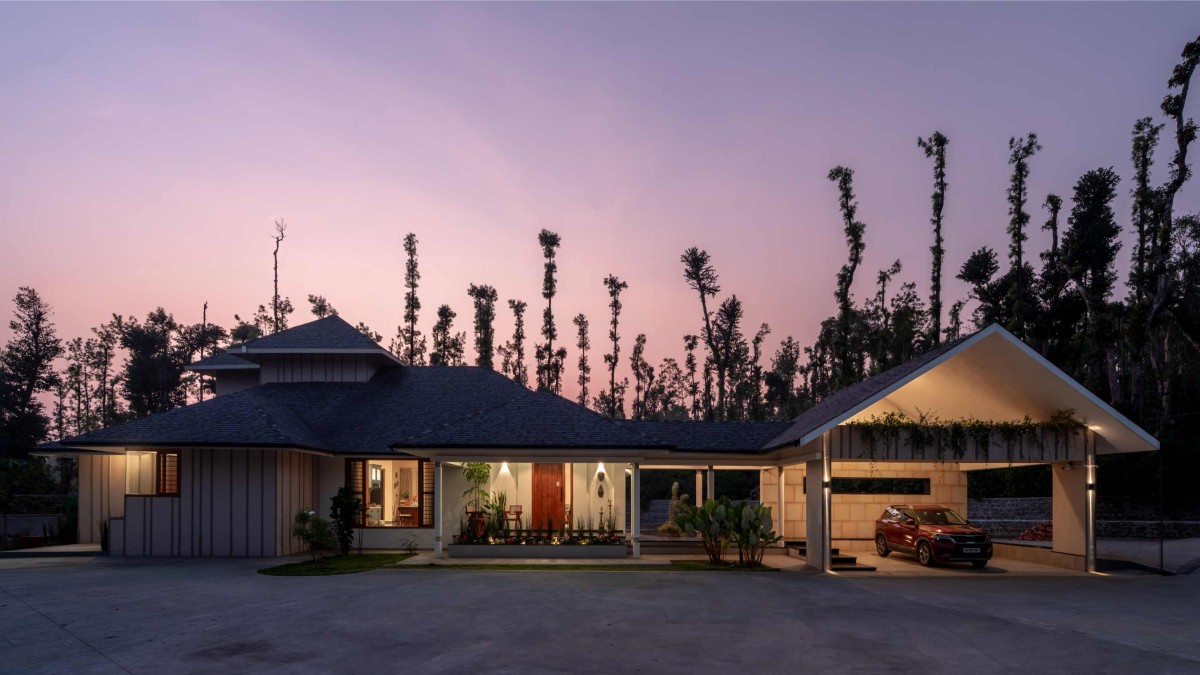
Night exterior view of The Haven by Architecture Saga