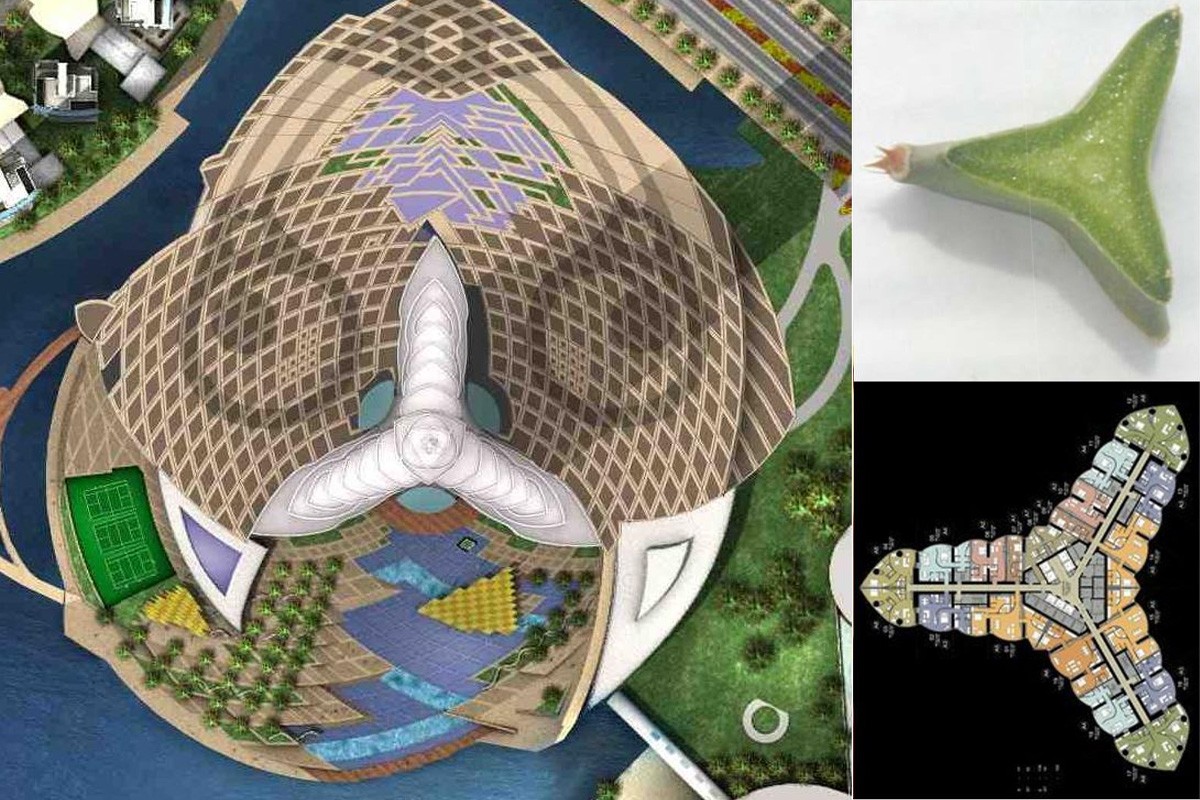
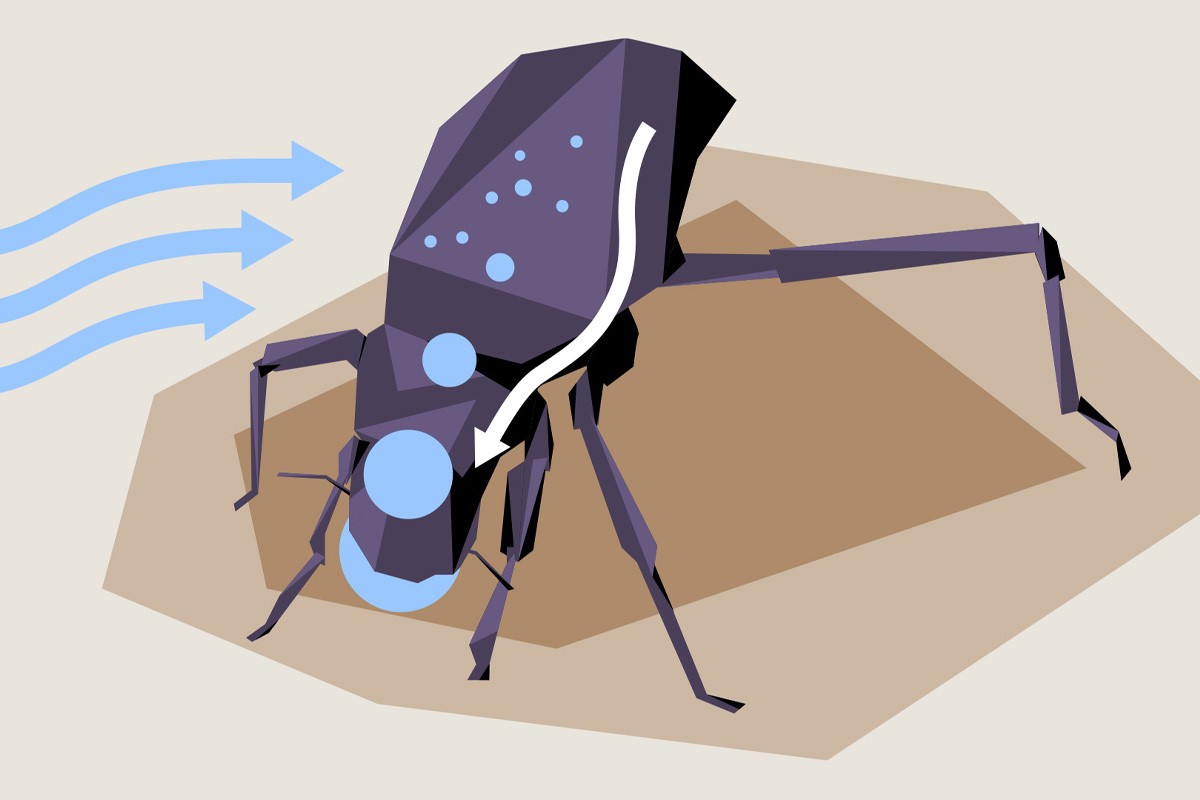
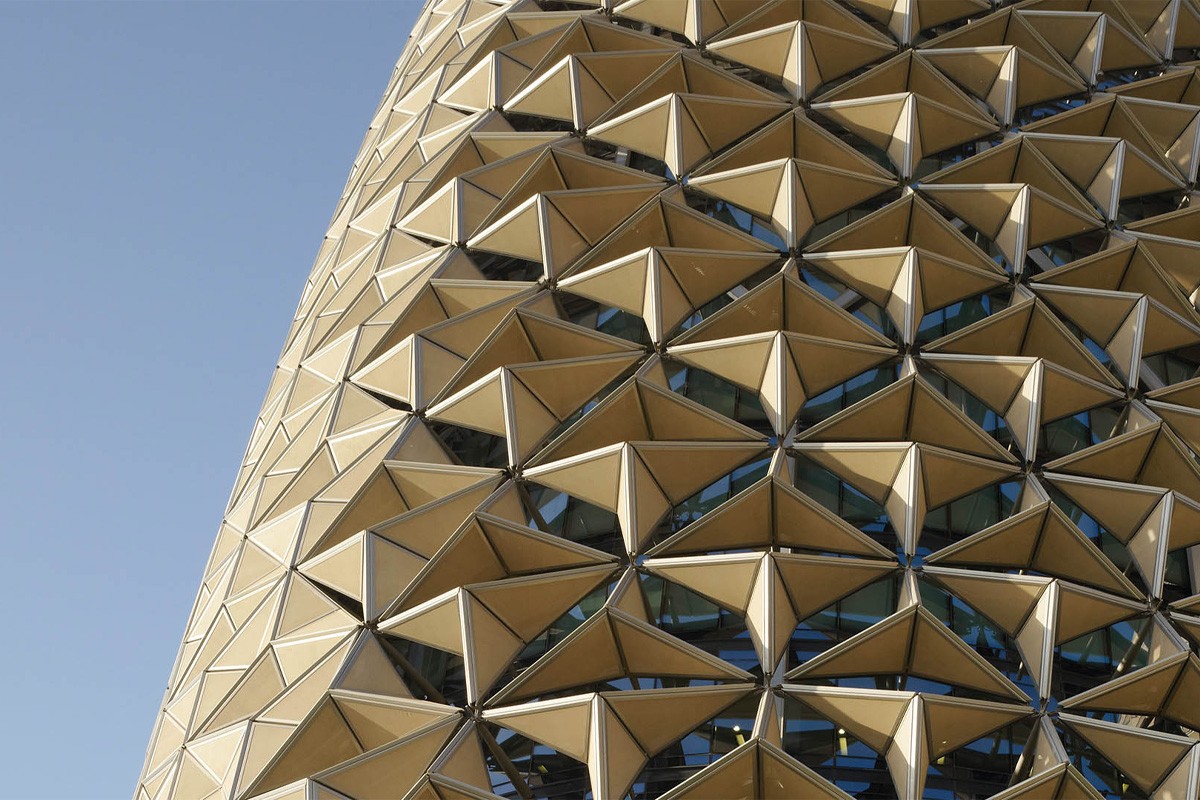
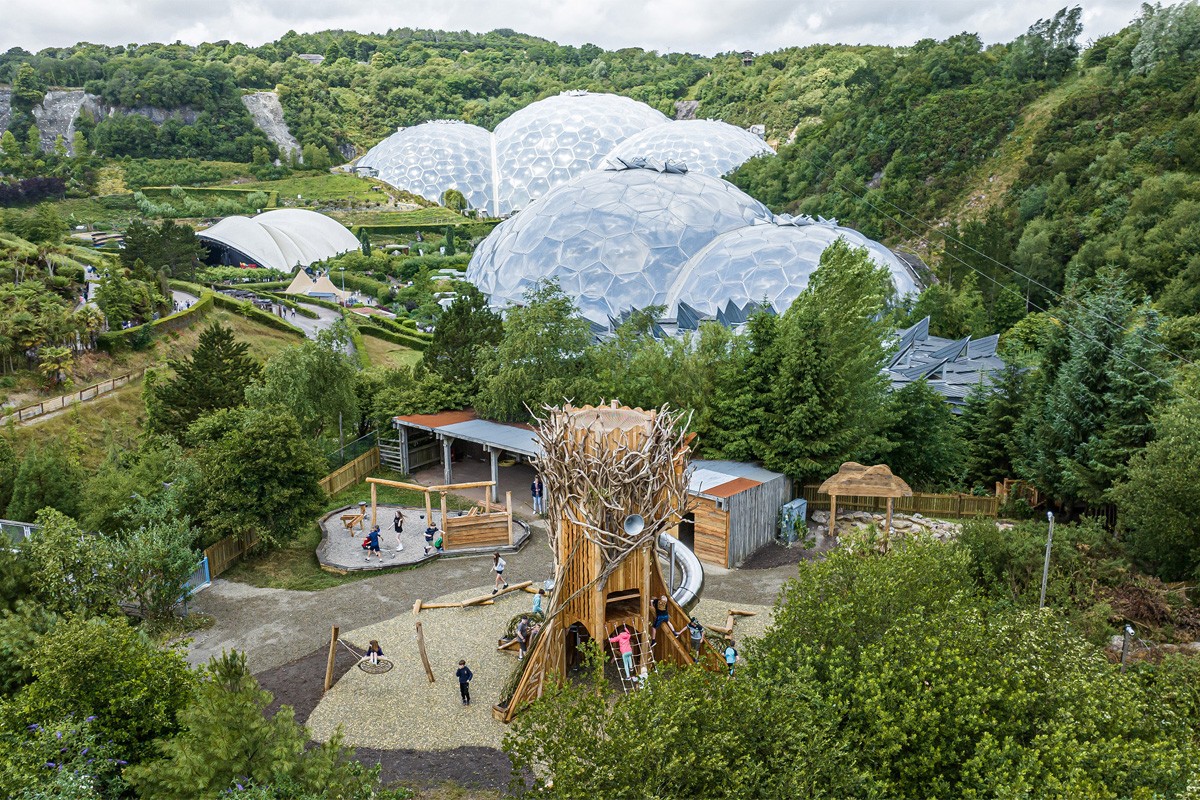
Biomimicry architecture is an innovative approach to design that takes inspiration from nature's patterns, strategies, and forms to create sustainable and efficient human-made structures. It involves studying and emulating biological processes, systems, and functions to address challenges in architecture, leading to more resilient, energy-efficient, and ecologically harmonious built environments.
Importance:
1. Sustainability:
Biomimicry in architecture fosters sustainability by emulating nature's proven solutions, yielding designs that use fewer resources, minimize waste, and lessen environmental impact. Through this approach, buildings become more efficient, resilient, and harmonious with the natural world, shaping a greener and more sustainable future.
2. Efficiency:
Nature offers efficient solutions to diverse challenges. Architects, by mimicking these designs, optimize building functions, boost energy efficiency, and elevate overall performance. Drawing inspiration from nature's wisdom, architects create structures that seamlessly integrate with the environment, setting new standards for sustainability and innovation in the built environment.
3. Resilience:
Biological systems exhibit remarkable adaptability and resilience. By integrating these traits into architecture, buildings and urban areas gain resilience against environmental shifts like climate fluctuations or extreme weather events. Embracing nature's adaptive strategies empowers structures to withstand challenges, ensuring sustainability and longevity in a changing world.
4. Innovation:
Biomimicry sparks innovation by inspiring designers to think outside the box and draw insights from nature's diverse solutions. This approach fuels the creation of groundbreaking technologies and fresh design methodologies. By tapping into nature's sophistication, designers pioneer novel approaches, pushing the boundaries of architecture toward sustainable and ingenious solutions.
Examples of Biomimicry in Architecture: