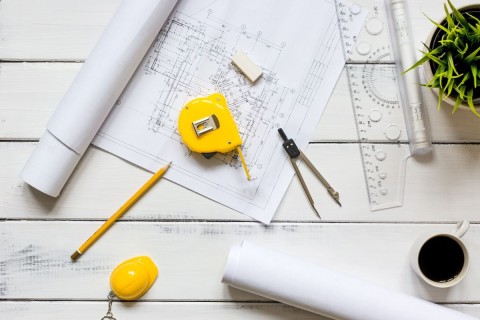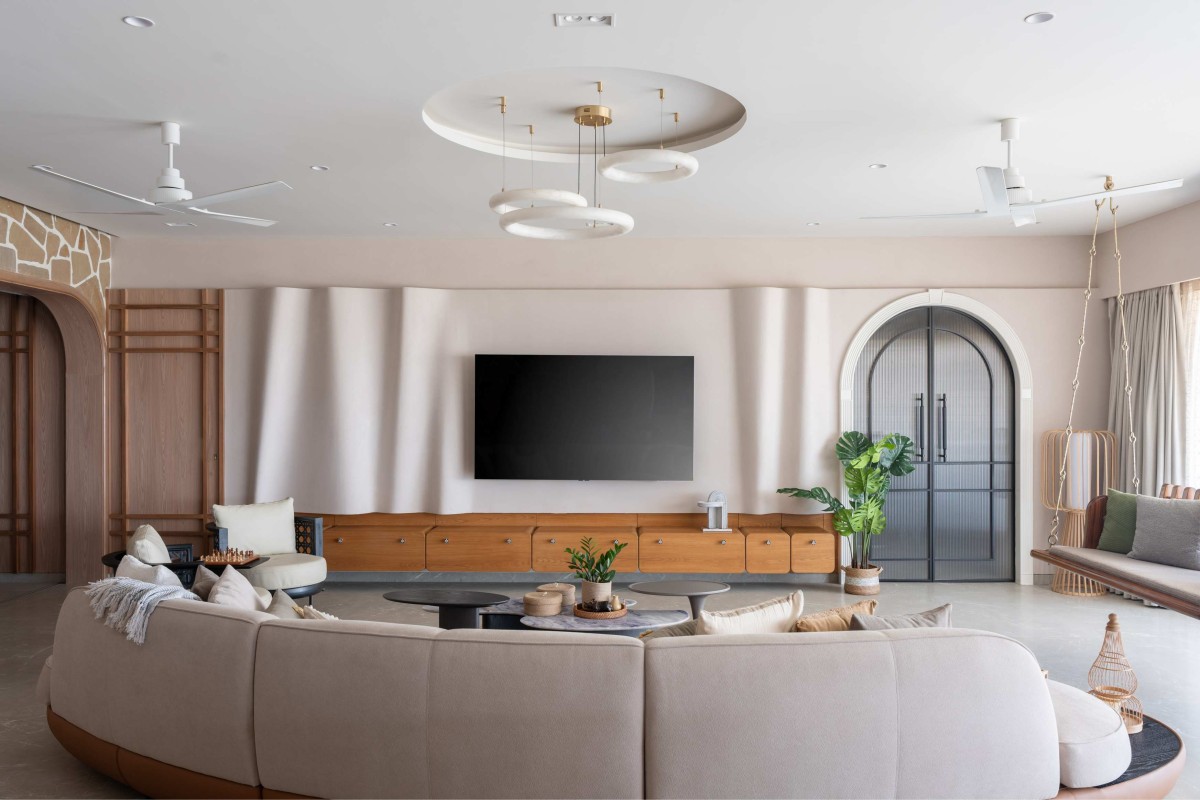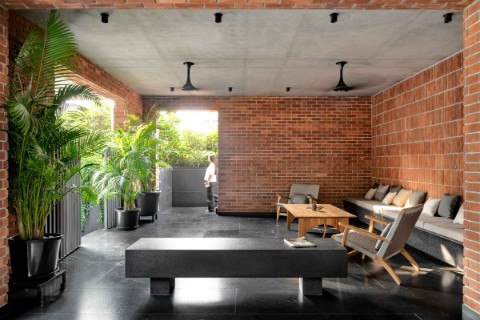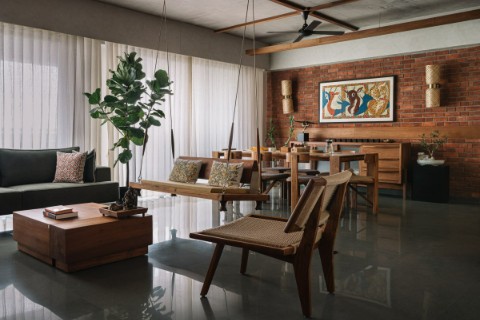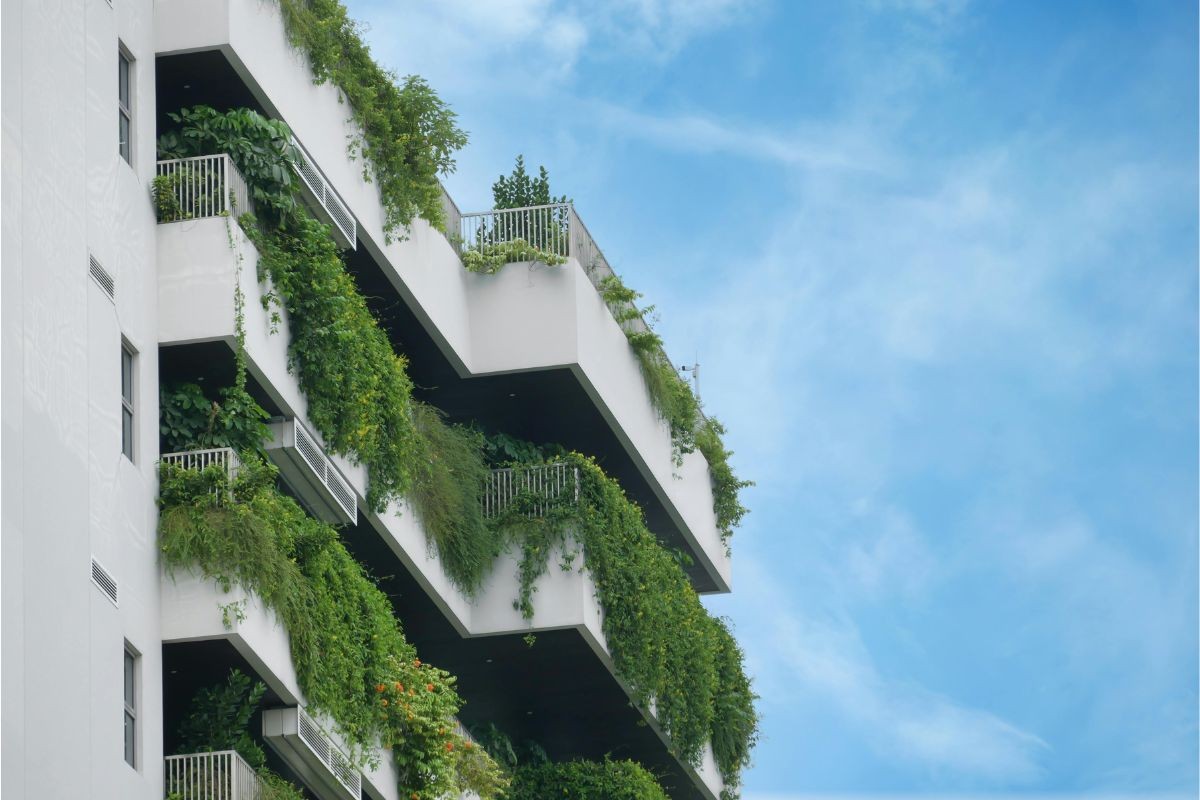
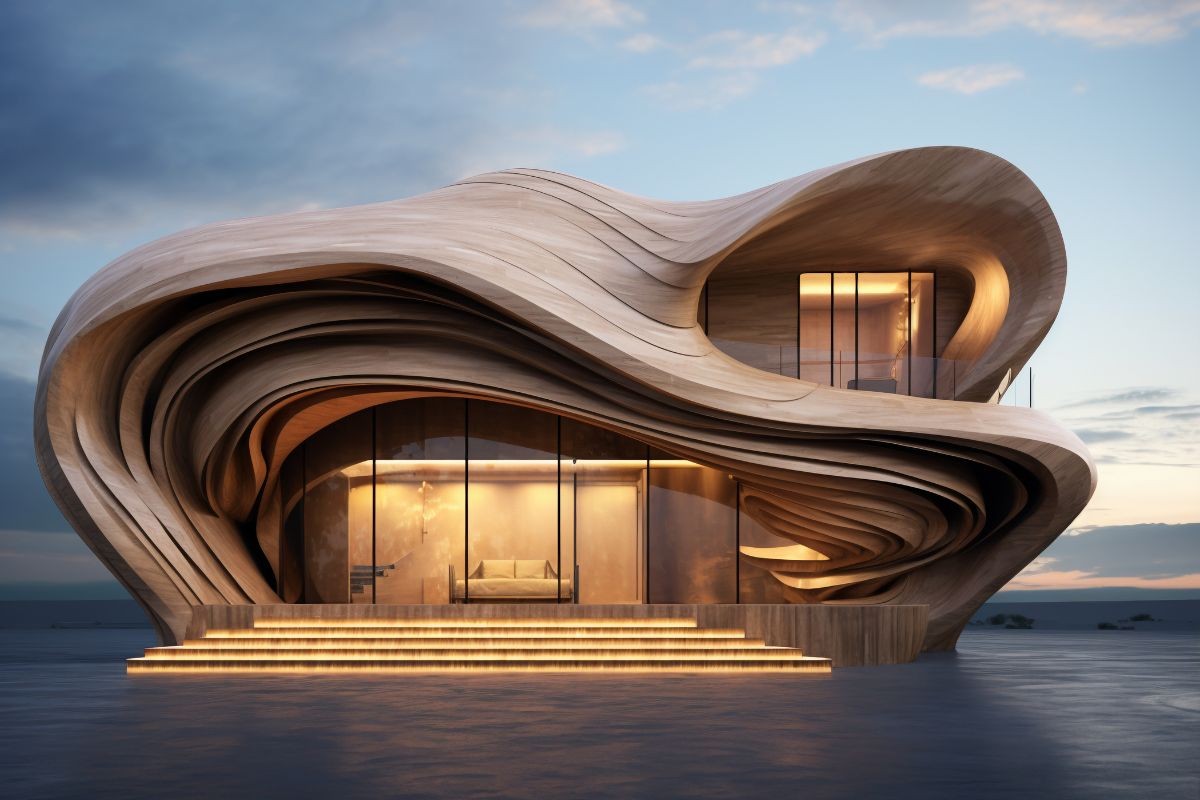
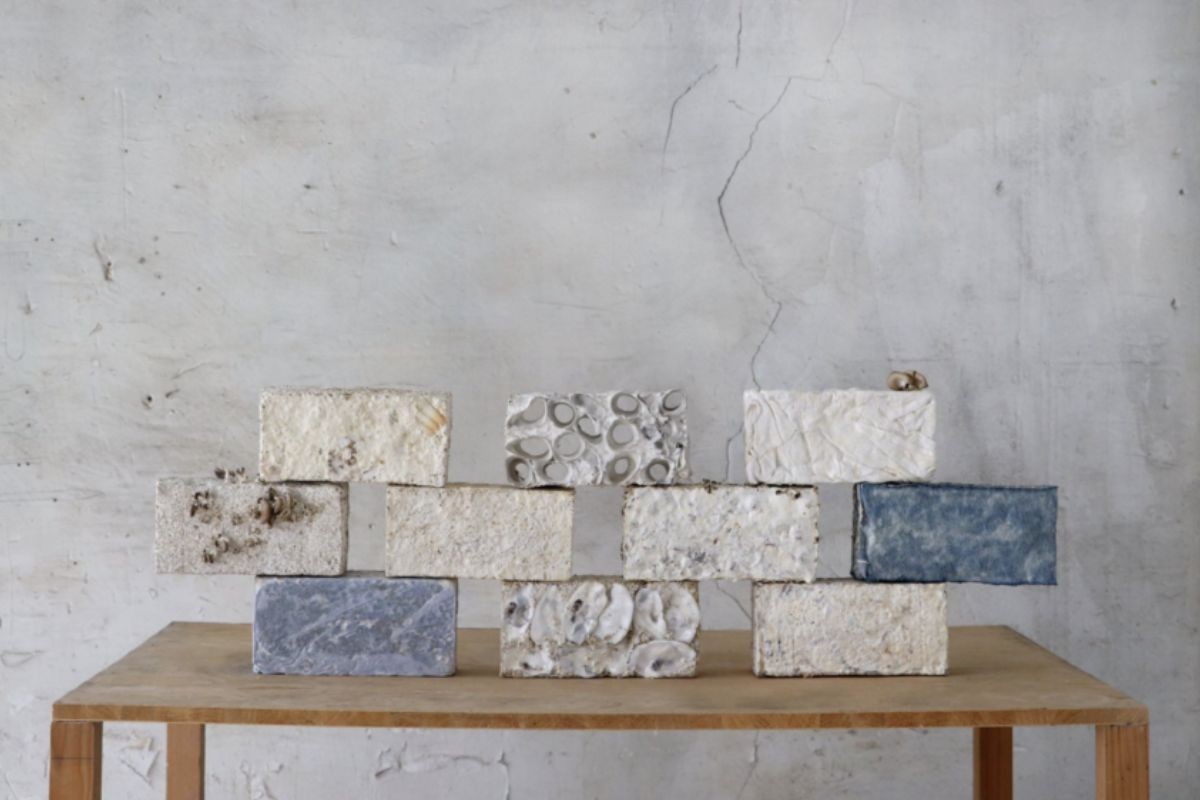
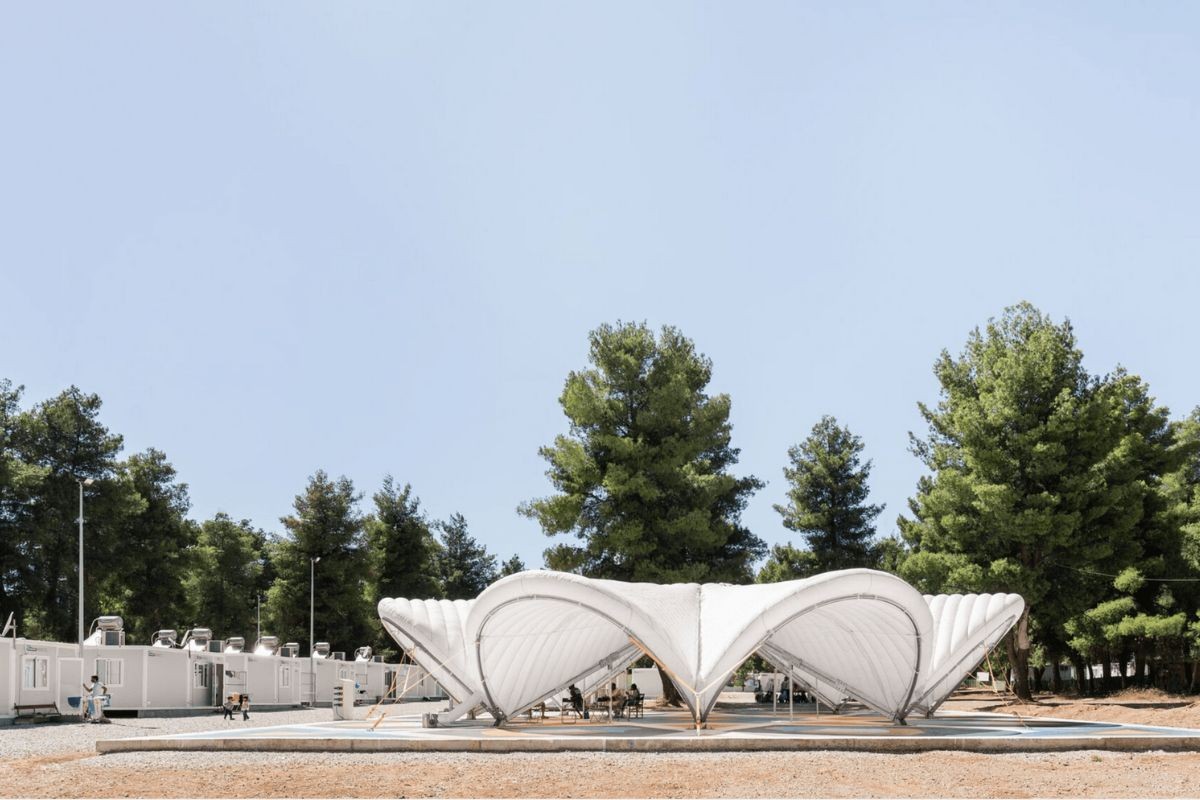
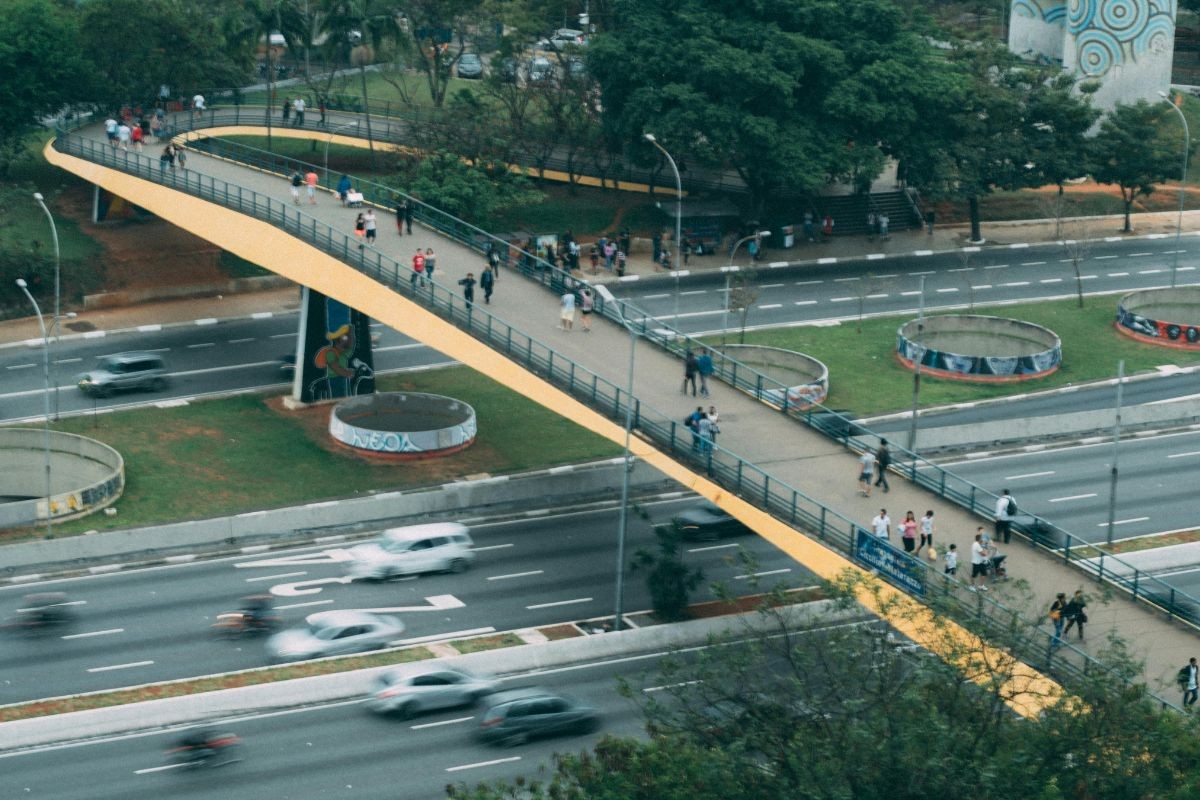
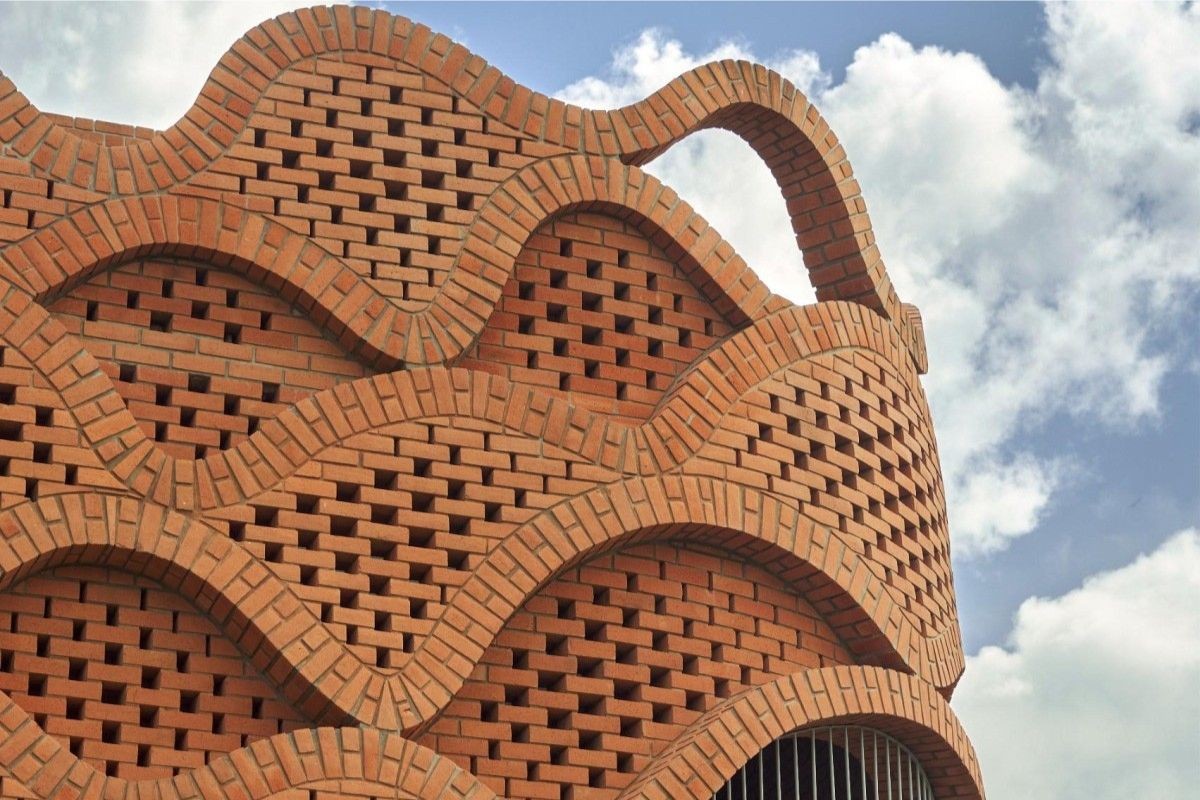
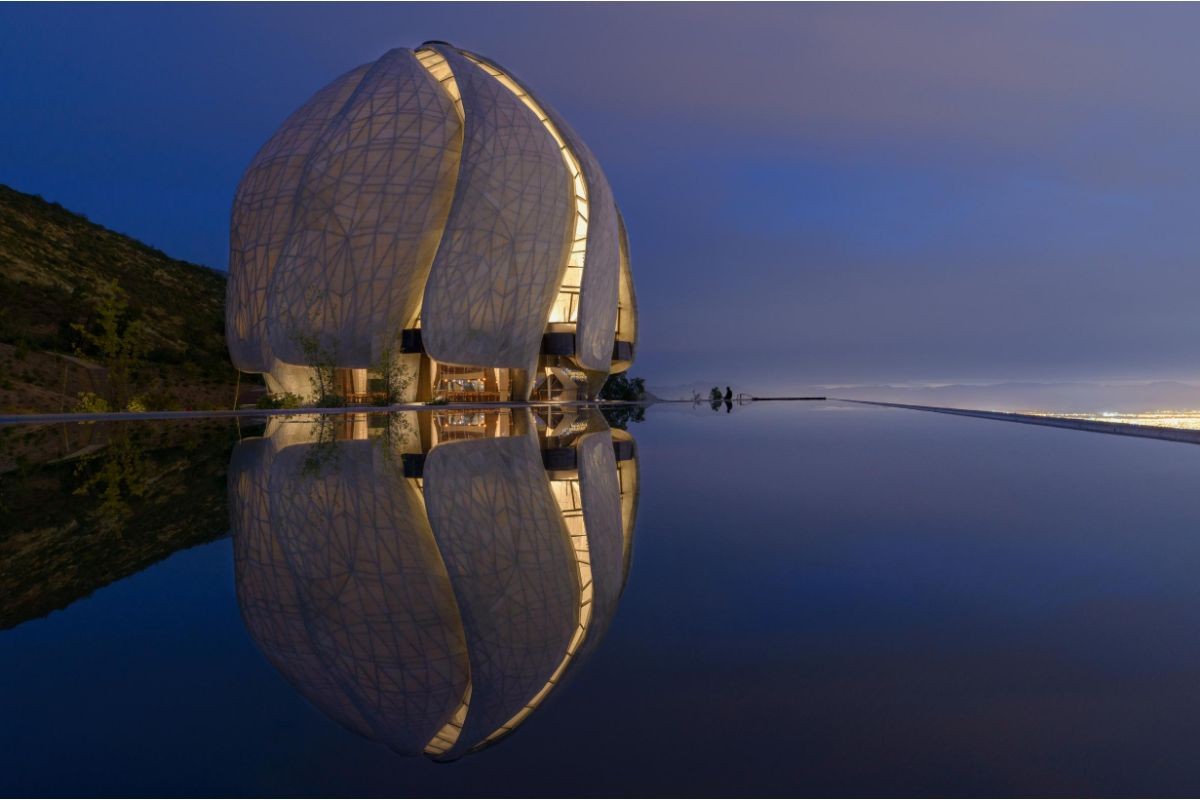
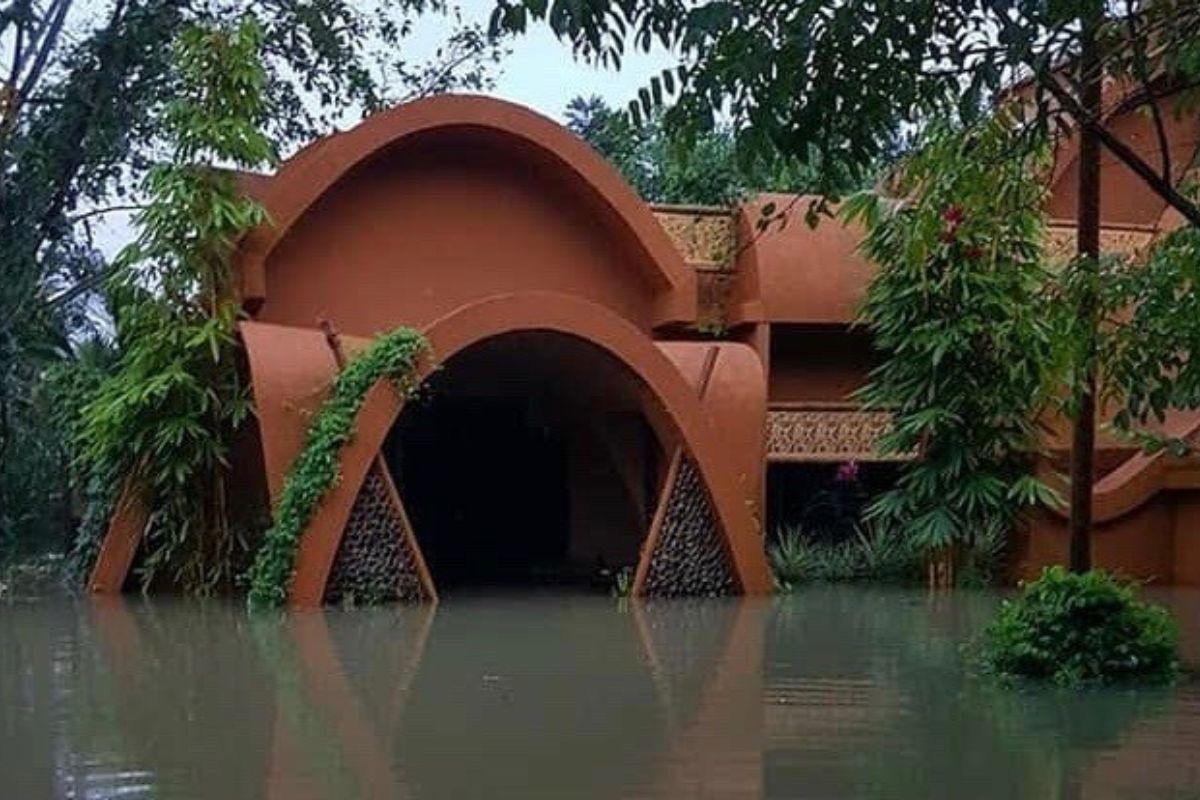
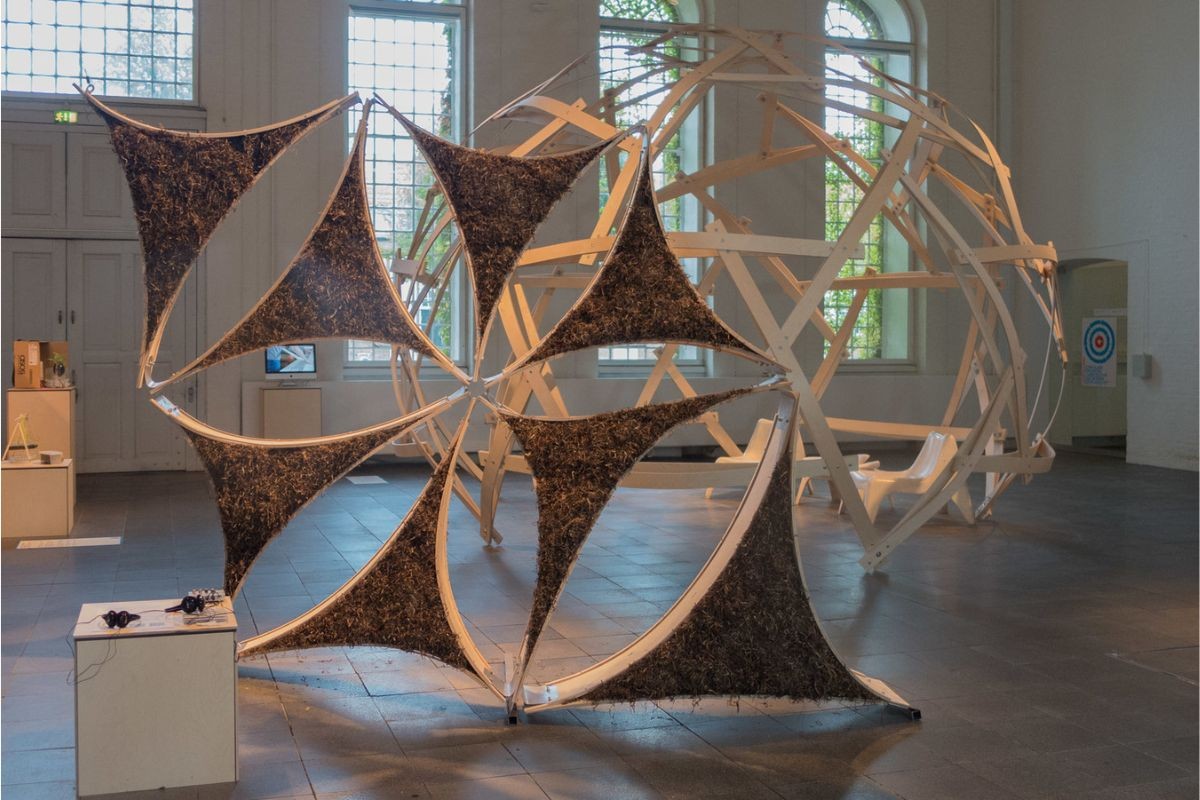

A: Design in 2025 leans toward climate responsive buildings, adaptive reuse, human centered public spaces, and material conscious construction. Architects are prioritizing flexible layouts, nature integrated spaces, and low impact building systems. The shift is toward responsible growth rather than purely aesthetic innovation.
FAQ
A: Sustainability drives decisions on materials, energy performance, and lifecycle impact. Designers are choosing recycled components, passive cooling, and water sensitive landscapes while aiming for net zero operations. The goal is to create buildings that reduce environmental strain while improving comfort and long term efficiency.
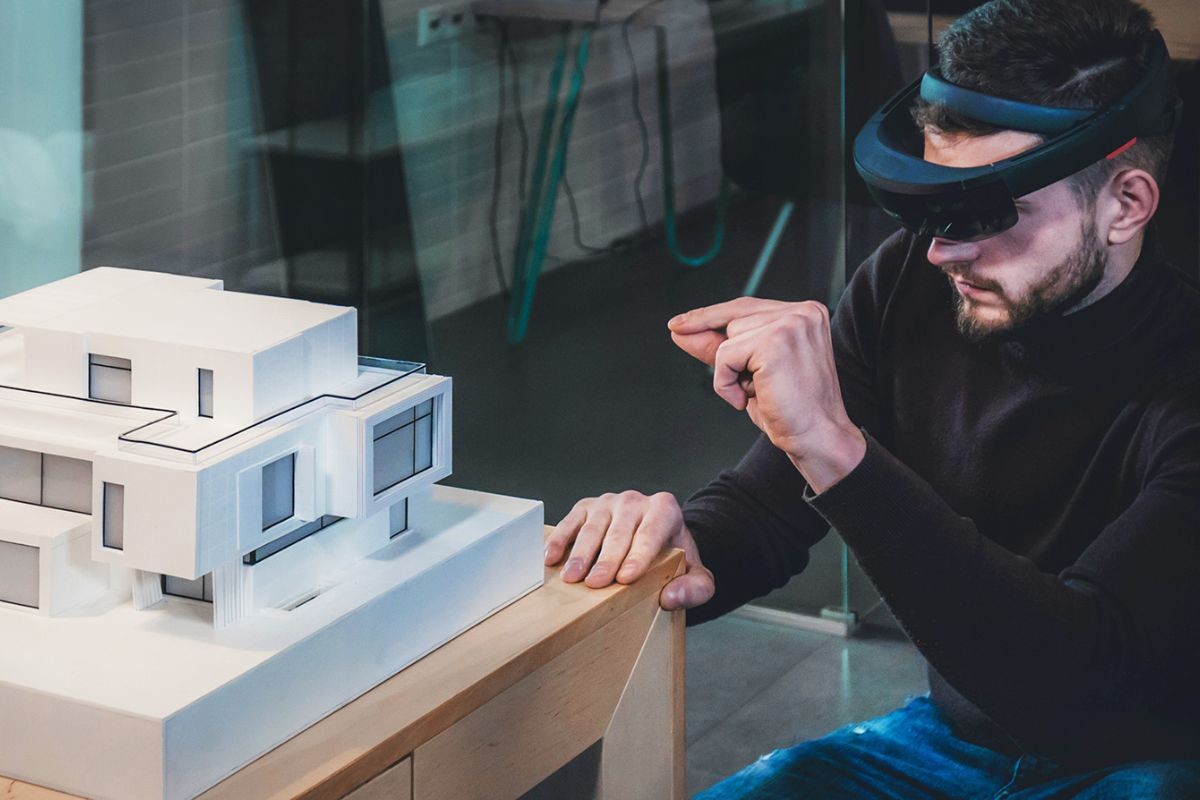
A: Technology supports faster workflows, precise detailing, and smarter building management. Tools like BIM, parametric modeling, digital fabrication, and AI aided ideation enhance accuracy and experimentation. Smart systems in buildings help optimise energy use and improve overall performance.
A: Traditional methods remain valuable for contextual thinking, climate awareness, and material intuition. Vernacular principles guide modern solutions, especially in regions with strong cultural identities. The balance of heritage wisdom and contemporary tools keeps architecture grounded while moving forward.